Builds and StrategyA weapon evolution can be a strong long-term goal, but chasing one too early may leave a run short on damage or safety. Learn how to balance immediate needs with future upgrades in survival arcade games.
Read article · 4 min↗
Builds and StrategyLimited choice tools can rescue a survival-game build, but spending them on every disappointing level-up leaves little room to adapt. Learn when to reroll, skip or banish—and when to take a good-enough option.
Read article · 4 min↗
Builds and StrategyA missing upgrade does not have to end a run. Learn how to identify what your build still needs, choose a workable substitute, and preserve flexibility until the next decision point.
Read article · 4 min↗
Builds and StrategyA practical guide to planning survival-game builds when every weapon and passive item takes up valuable space. Learn how to choose a core, cover weaknesses, judge item pairings, and adapt when a run offers something unexpected.
Read article · 5 min↗
Builds and StrategyA strong survival-game build needs more than raw damage. Learn when wide coverage protects you from crowds, when focused attacks solve tougher threats, and how to balance the two as a run develops.
Read article · 4 min↗
Builds and StrategyA practical guide to choosing between harder hits, more frequent attacks and shorter cooldowns in survival and arcade-style builds. Learn when each upgrade matters, what can limit its value and how to test a choice during a run.
Read article · 4 min↗
Builds and StrategyExperience bonuses can turn an early sacrifice into a stronger late run, but only if your build can survive long enough to benefit. Learn how to weigh clear speed, safety, upgrade timing and run length before choosing growth over damage.
Read article · 4 min↗
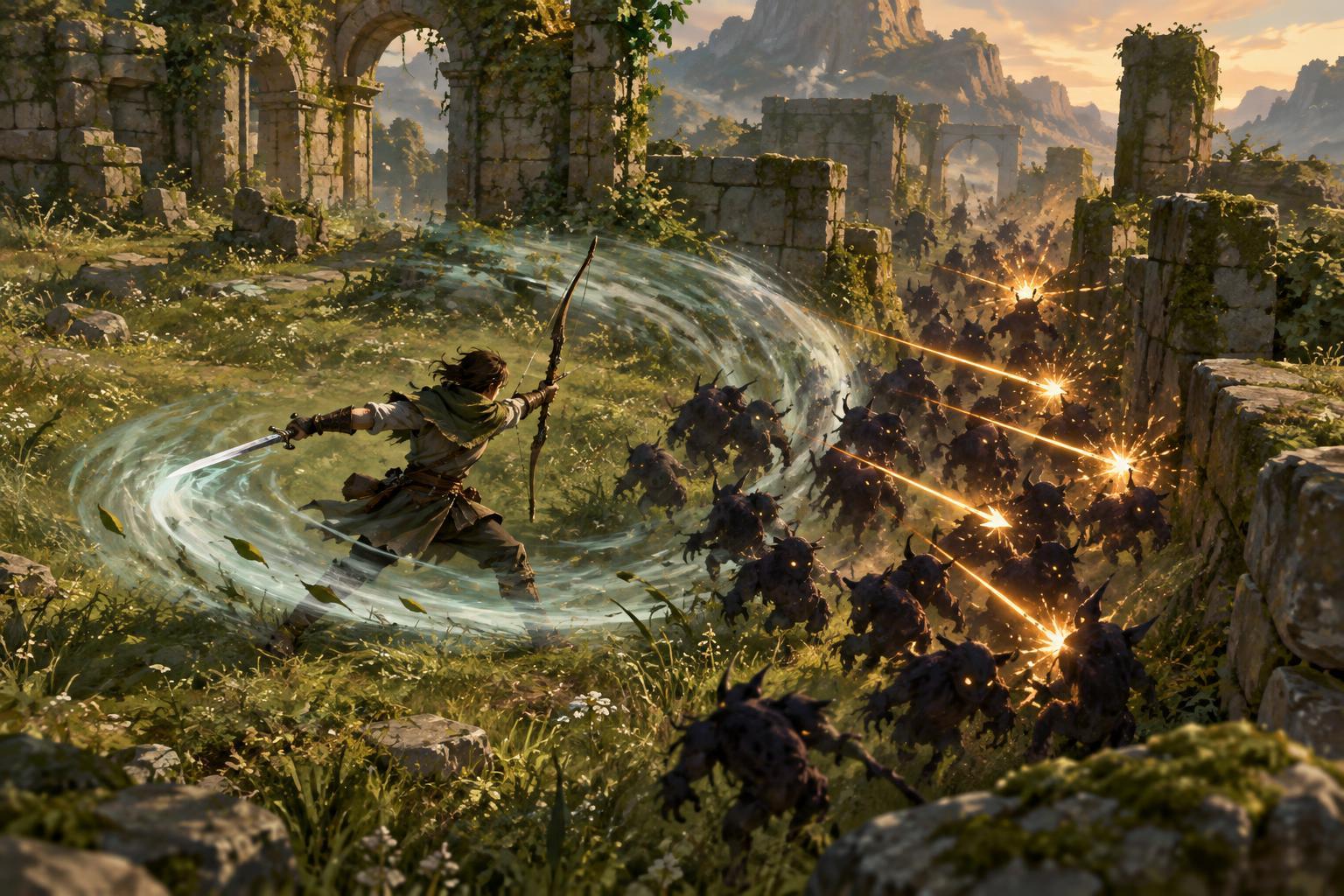
Builds and StrategyA strong survival-game build is more than a collection of powerful weapons. Learn how coverage, crowd control, damage timing and upgrades can work together—and how to spot pairings that only look good on paper.
Read article · 4 min↗
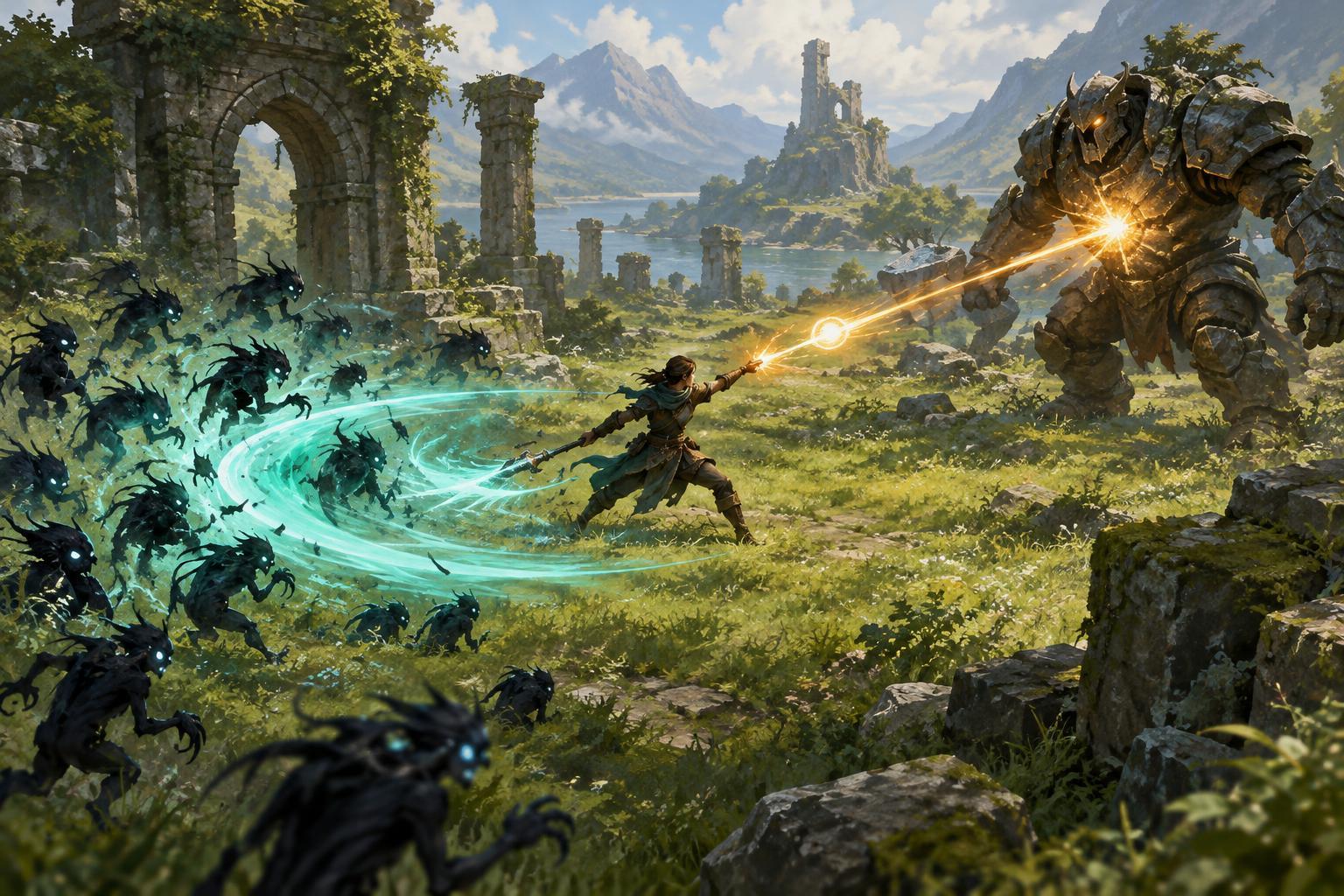
Builds and StrategyA survival-game loadout needs to handle both swarms of weak enemies and tougher targets. Learn how to divide your weapon slots, choose complementary upgrades and adjust your build as a run develops.
Read article · 4 min↗
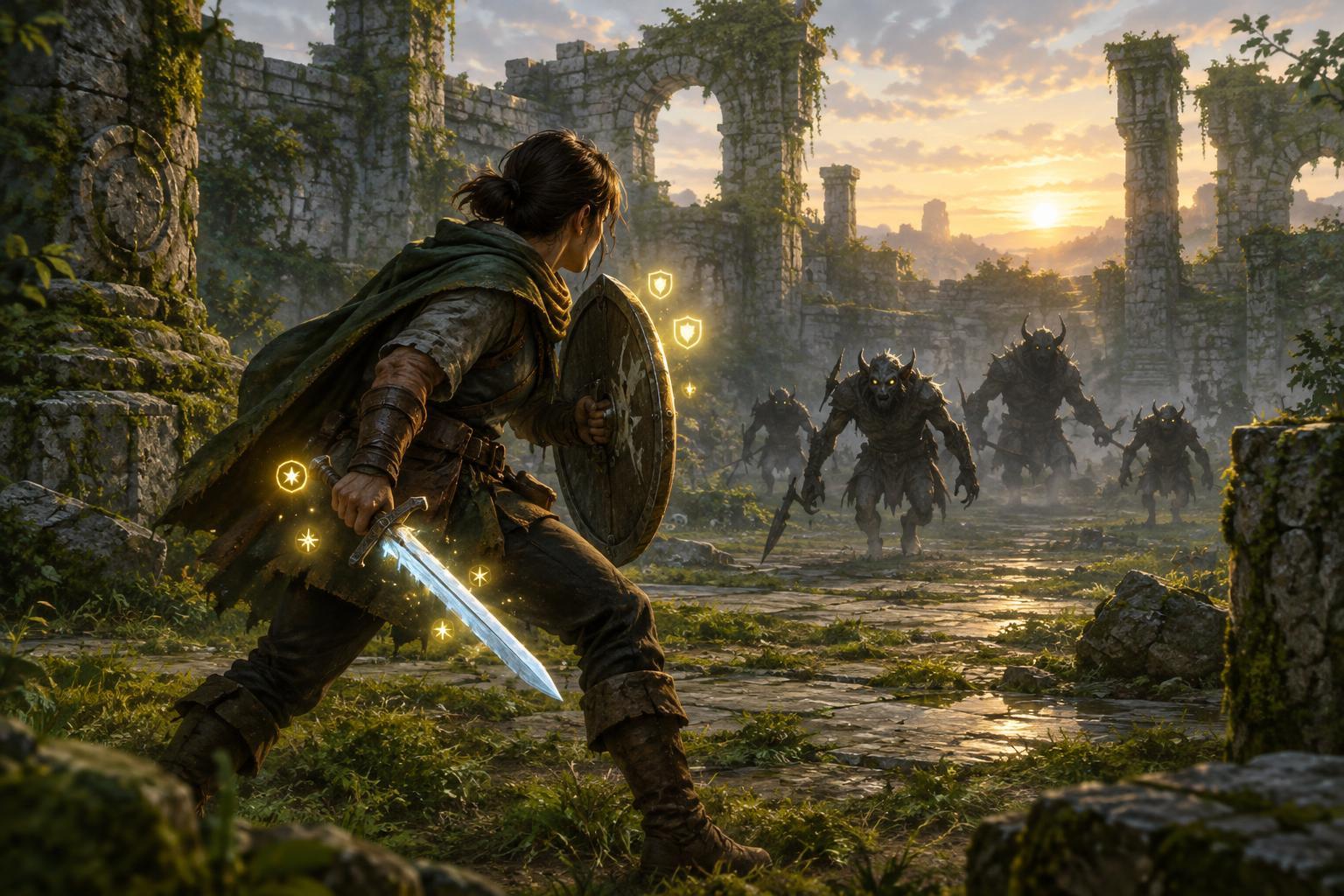
Builds and StrategyIn survival and roguelite games, early upgrades shape the rest of a run. Learn when to add damage, when to protect your health, and how to judge whether your build is keeping pace.
Read article · 4 min↗

Builds and StrategyA strong survival-game build starts with a clear purpose, not a perfect item list. Learn how to choose a goal that fits the stage, your character, and the kind of challenge you want to solve—while leaving room to adapt when a run offers different upgrades.
Read article · 4 min↗
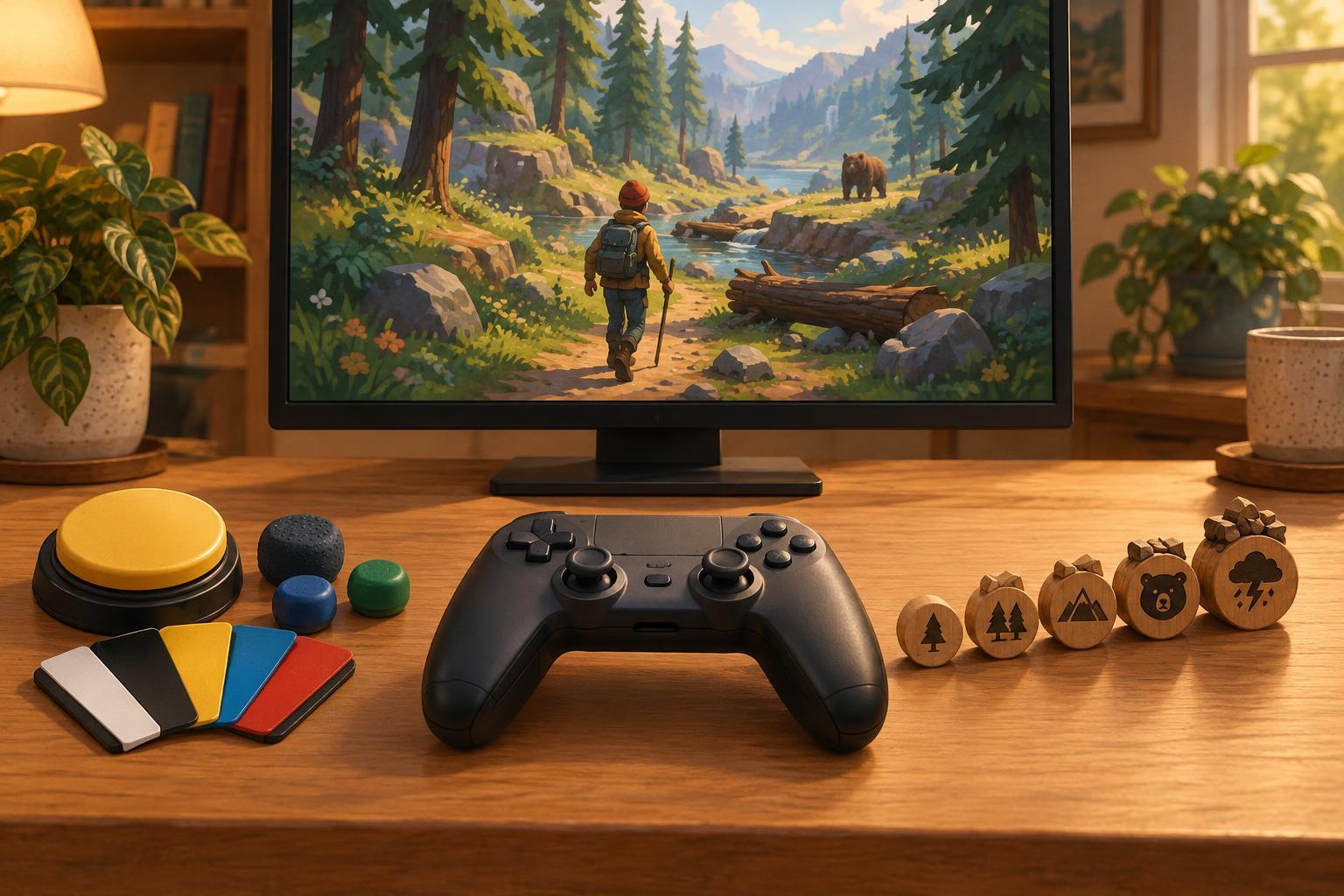
Accessibility and ControlsAccessibility settings and difficulty settings can both change how a game feels, but they solve different problems. Learn how to tell them apart, where they overlap, and how to choose options that make survival and arcade-style games more enjoyable.
Read article · 4 min↗
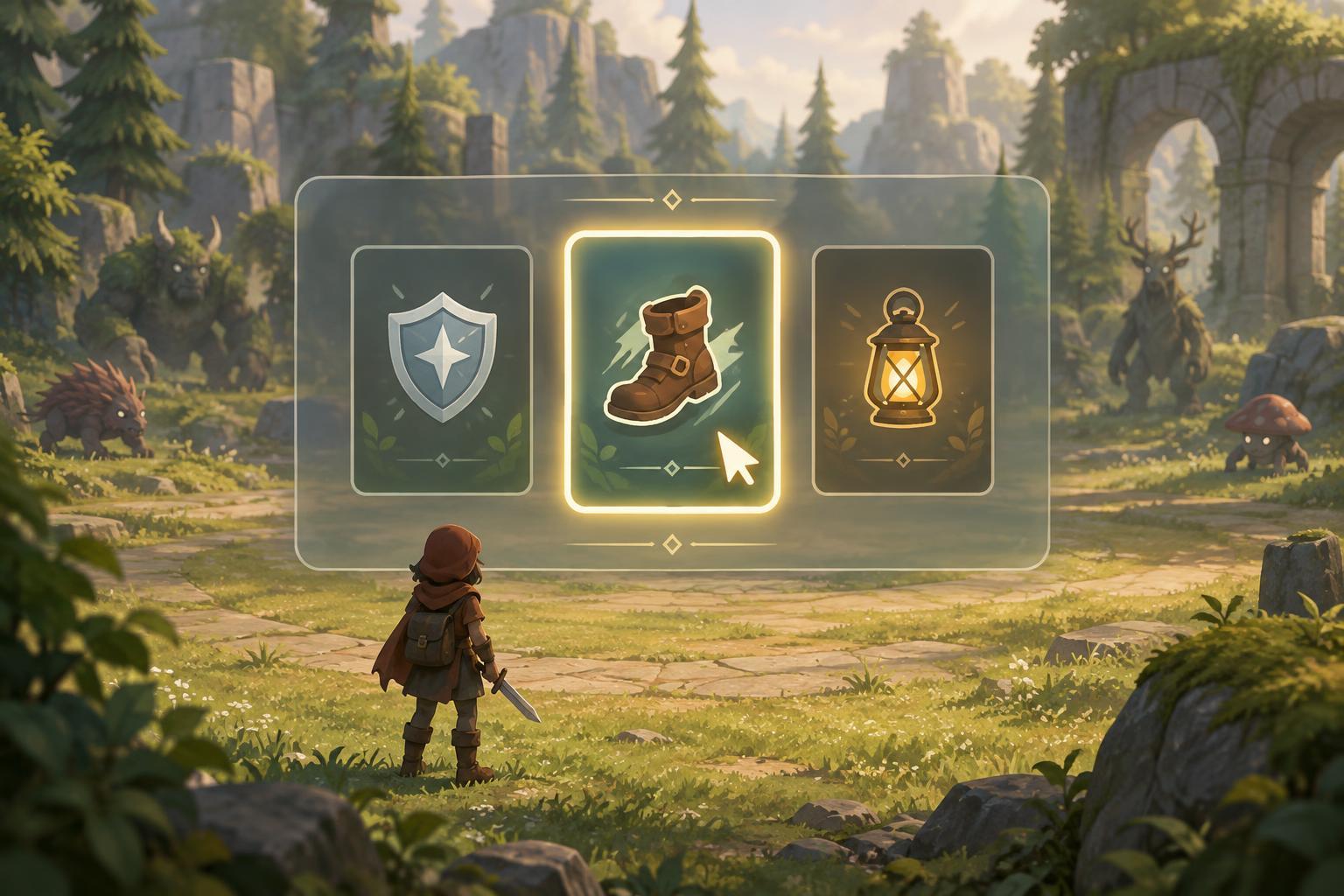
Accessibility and ControlsUpgrade choices can feel rushed even when the action pauses. Learn how clear focus, readable descriptions, predictable controls and sensible defaults make survival and roguelite menus easier to use.
Read article · 4 min↗

Accessibility and ControlsRepeated runs are part of the appeal of roguelites, but they can also make small control and visibility problems add up. A comfortable routine starts before the first run and leaves room to adjust settings, pace, and goals as you play.
Read article · 4 min↗
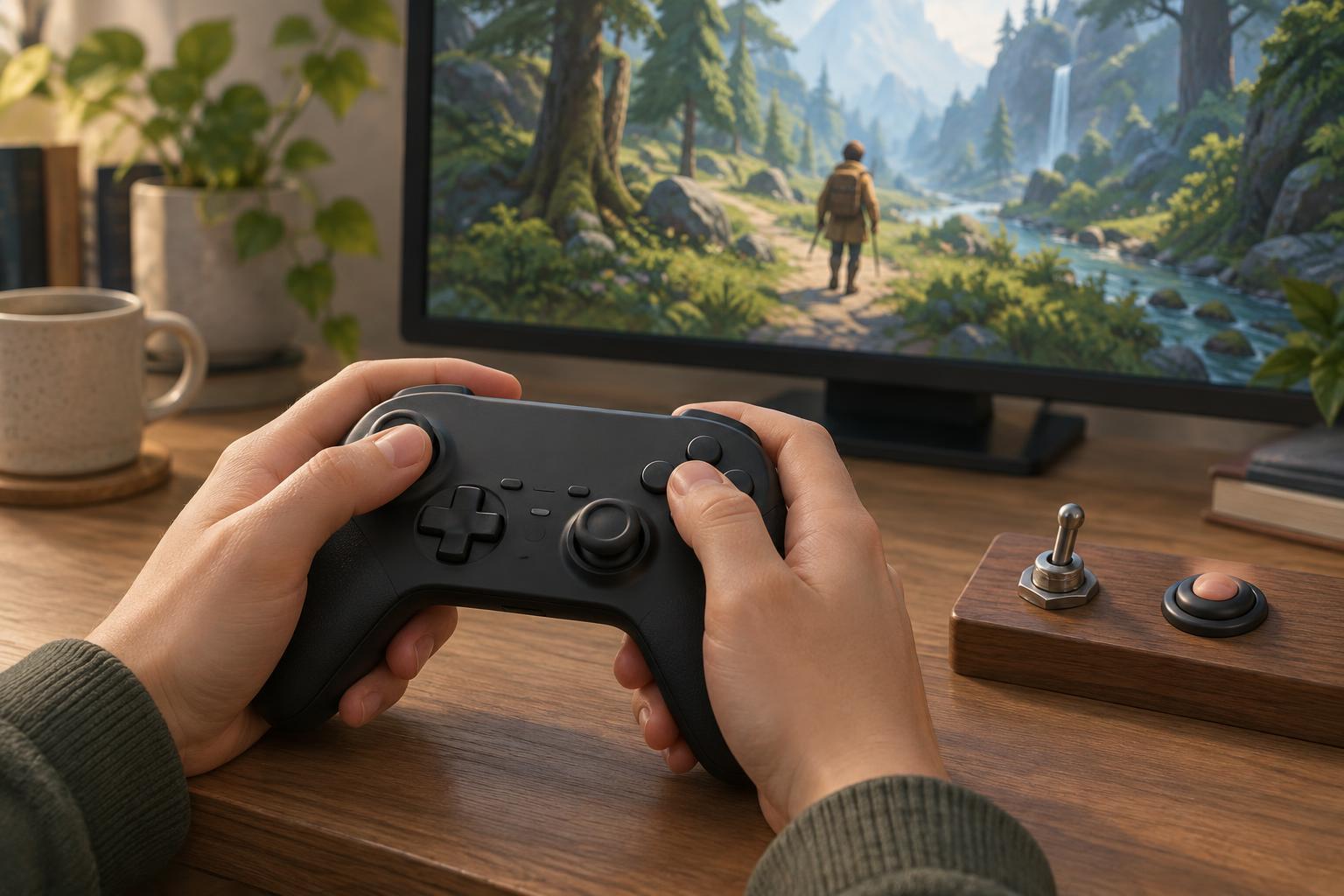
Accessibility and ControlsHolding a button and toggling an action can feel very different over a long play session. Learn where each approach works well in survival, roguelite and arcade games, and how to test settings that suit your hands and play style.
Read article · 4 min↗
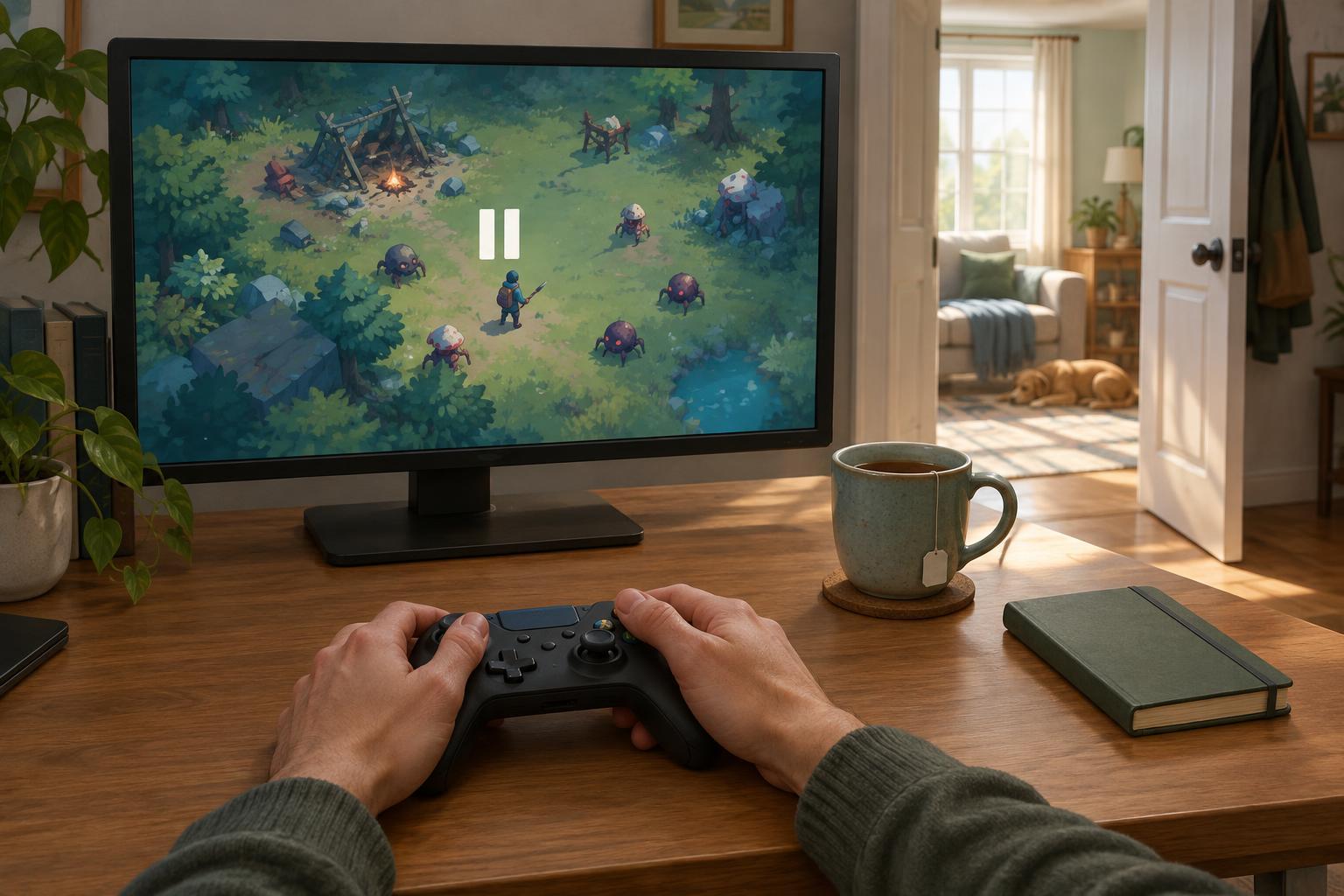
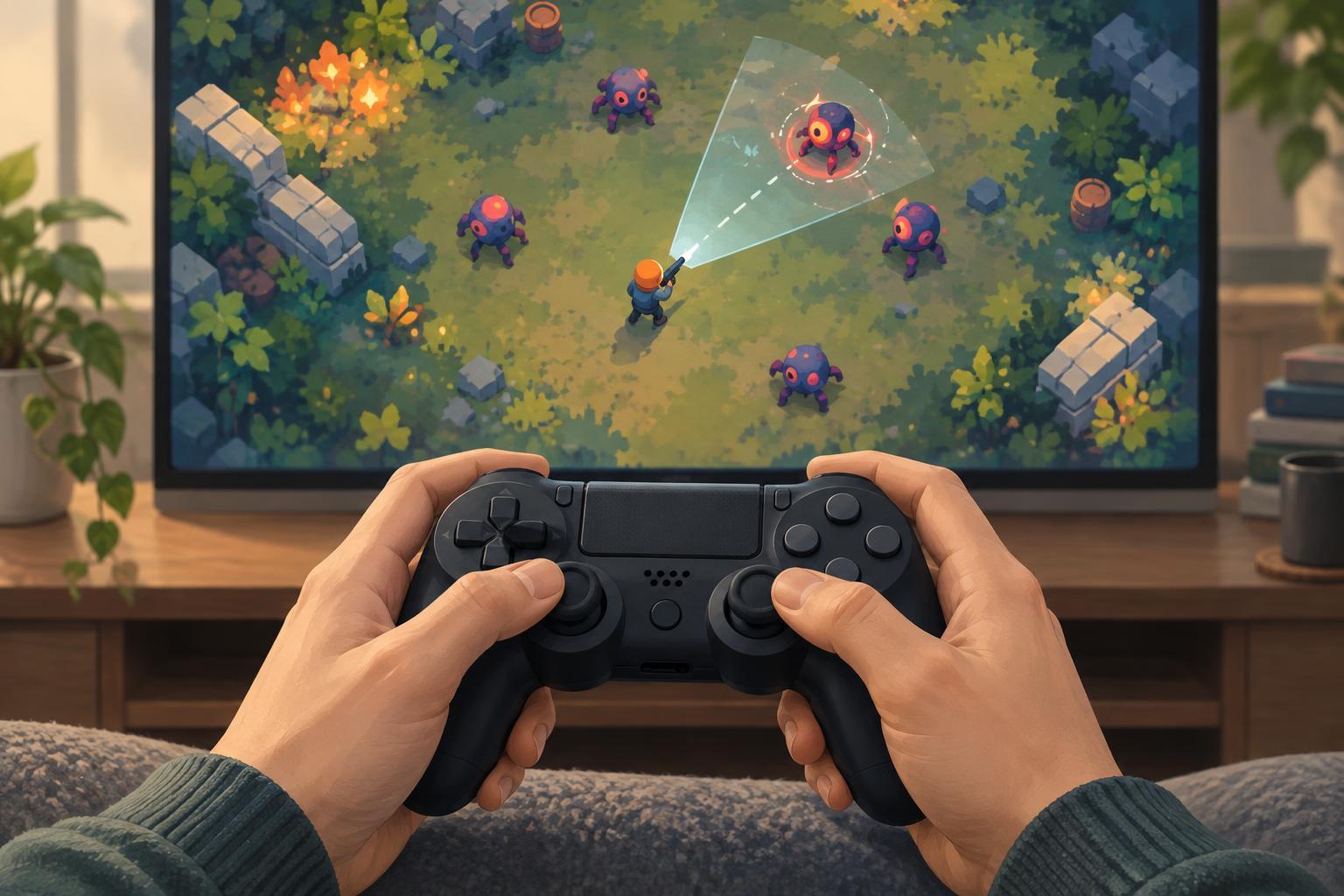
Accessibility and ControlsAim assist can make twin-stick and arcade games easier to control without removing the decisions that make them engaging. Learn how common options work, when they help, and how to tune them for comfort and clarity.
Read article · 4 min↗
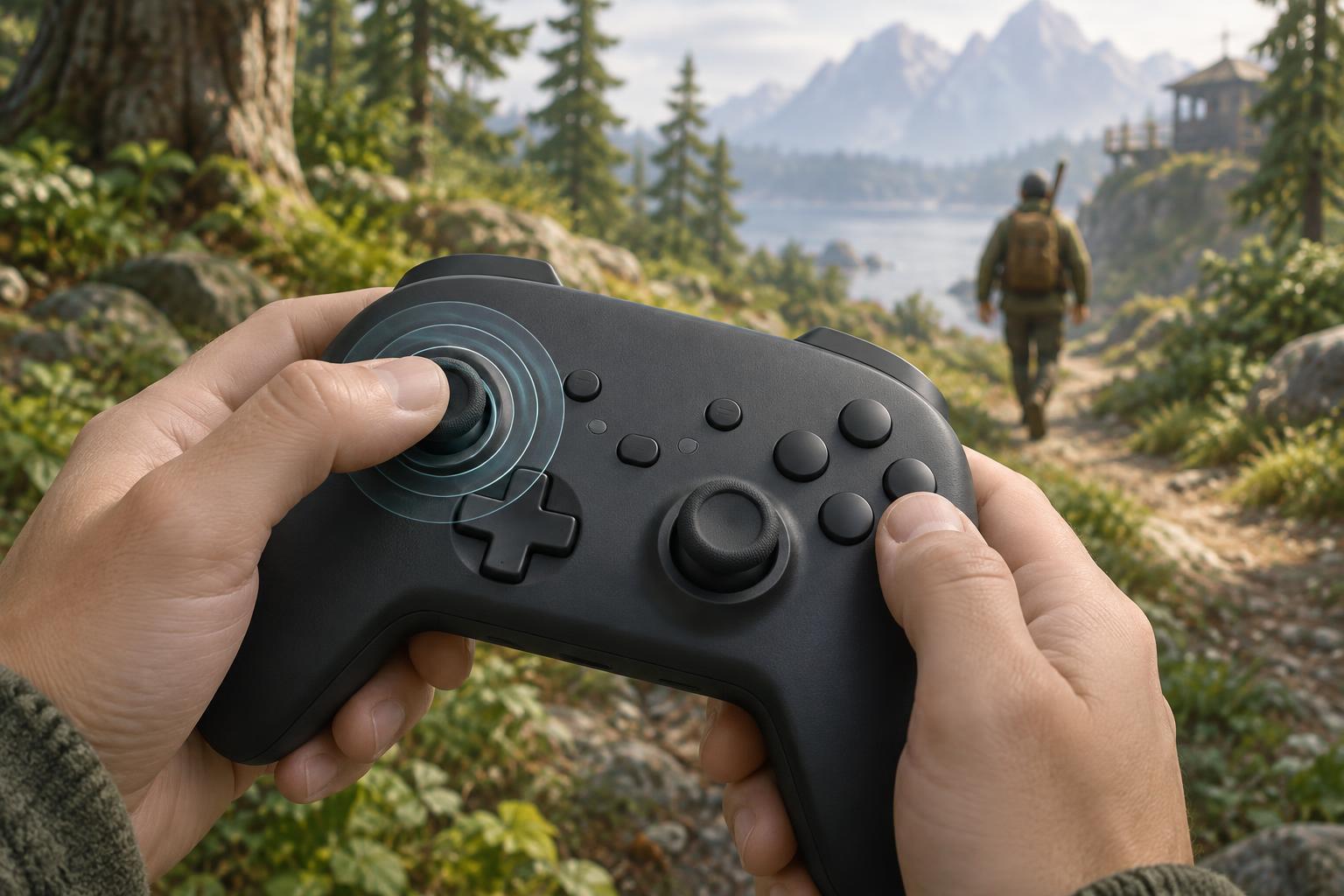
Accessibility and ControlsA controller deadzone can stop unwanted movement, but too much deadzone makes a game feel unresponsive. Learn how to recognize stick drift, adjust inner and outer deadzones, and test settings in survival and arcade-style games.
Read article · 4 min↗
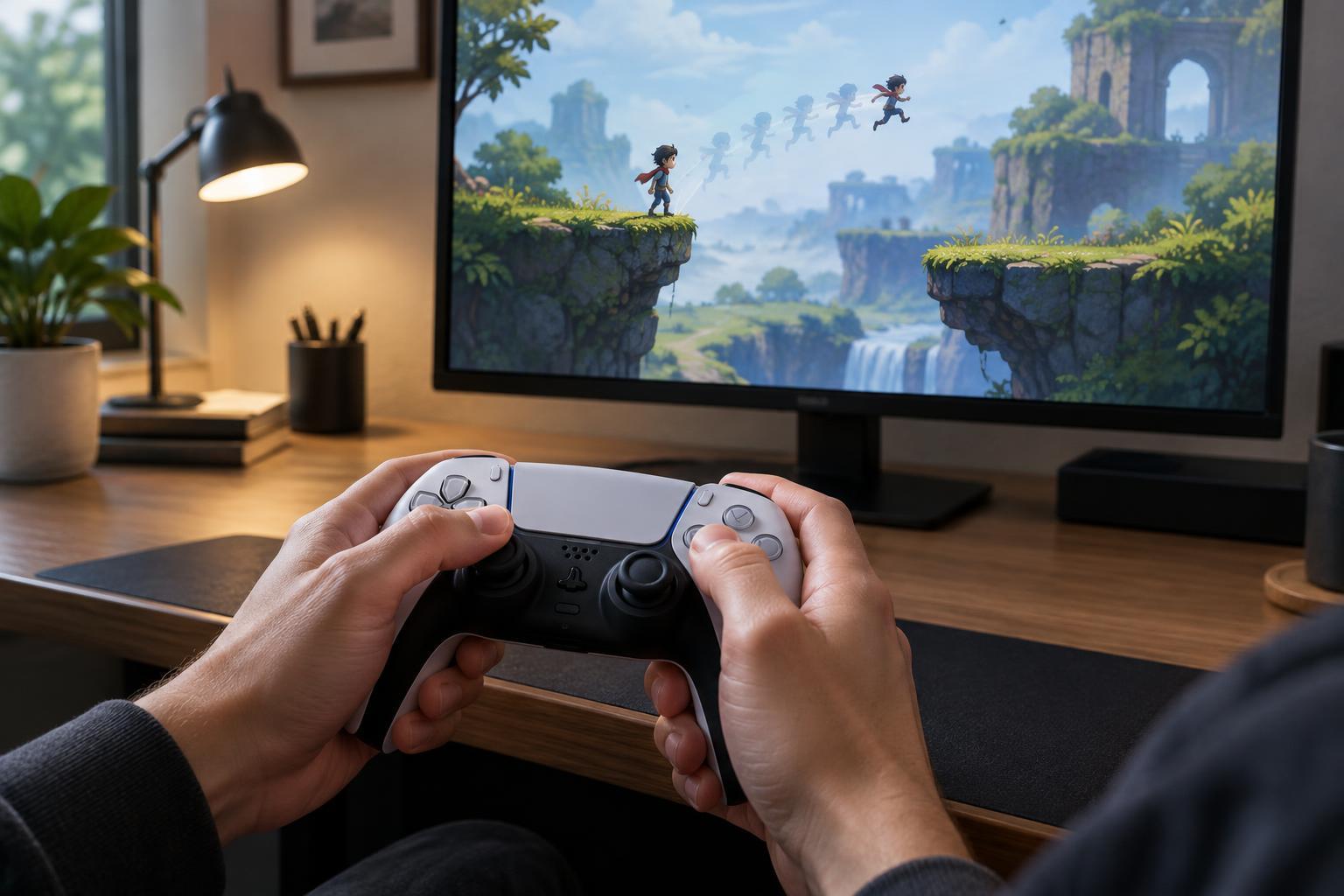
Accessibility and ControlsWhen a game feels slow to react, the cause may be input delay, an animation, a control setting, or inconsistent performance. Learn how to recognize the difference and run simple, repeatable tests before changing your setup.
Read article · 4 min↗

Accessibility and ControlsController vibration can make hits, hazards and menus easier to notice, but it can also become distracting or uncomfortable. Learn how to adjust it for survival, roguelite and arcade-style games without losing useful feedback.
Read article · 4 min↗
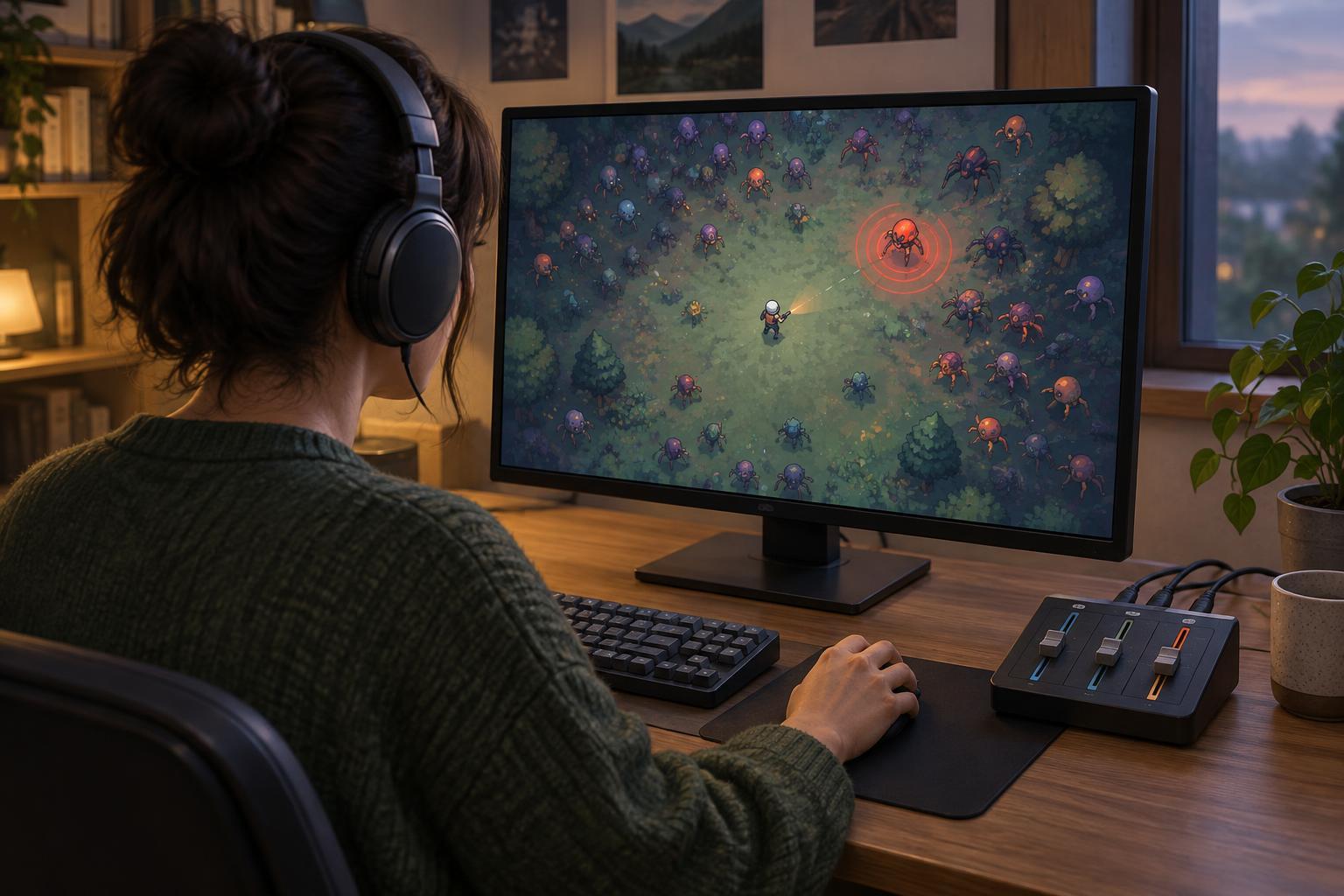
Accessibility and ControlsIn a crowded survival or arcade game, an audio warning can be easy to miss beneath the soundtrack. Learn a practical way to balance music, effects and voice, then check that important cues remain usable with your preferred speakers or headphones.
Read article · 4 min↗

Accessibility and ControlsA missed warning sound can turn a manageable survival-game encounter into a surprise hit. Learn how to use captions, visual alerts, and control settings to keep important information readable without crowding the screen.
Read article · 4 min↗

Accessibility and ControlsFast-paced arcade games often use camera shake, bright flashes and pulsing effects to make attacks feel powerful. This guide explains how to find and adjust those effects, keep important information visible and set up a more comfortable play session without losing track of the action.
Read article · 4 min↗
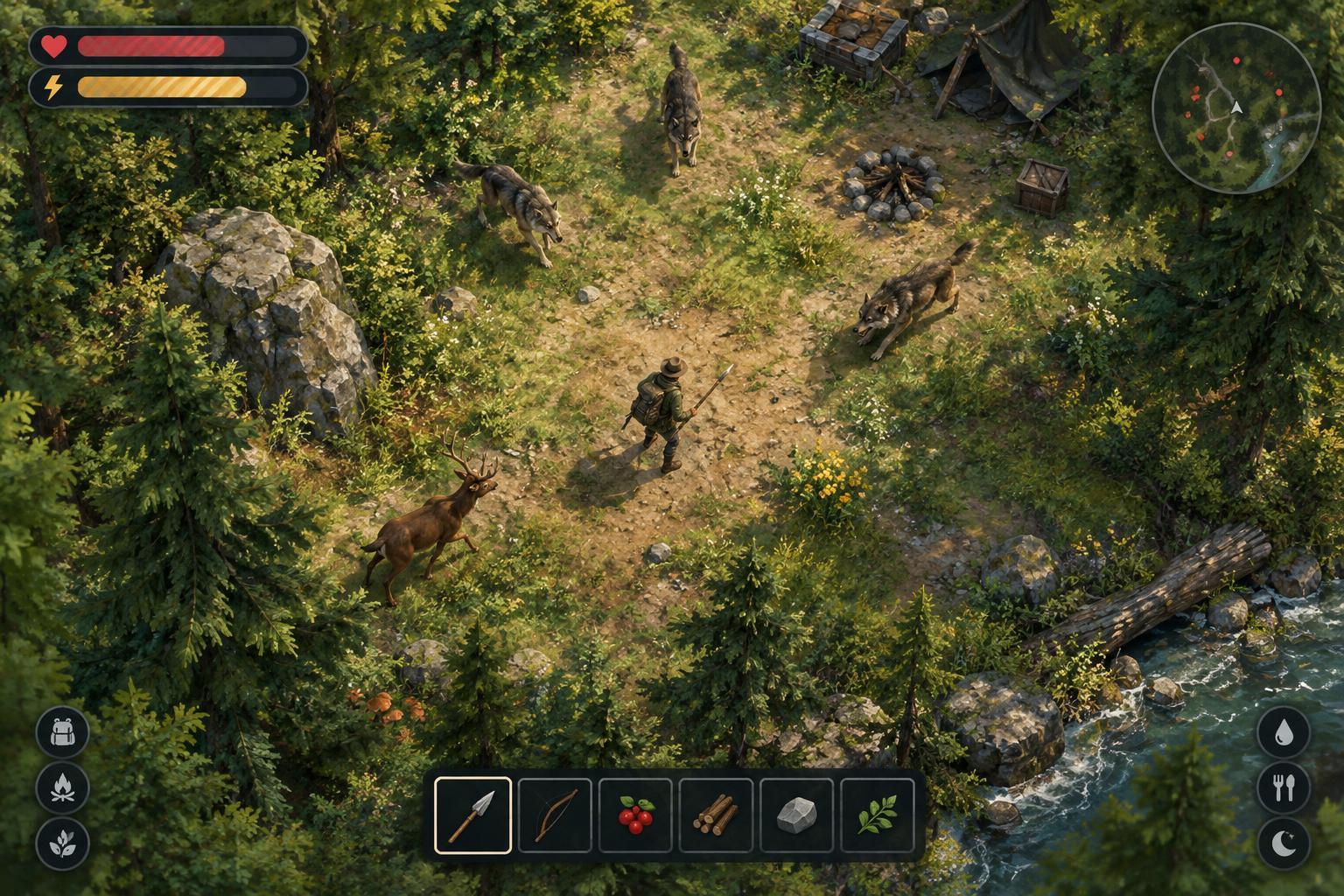
Accessibility and ControlsA readable survival-game HUD helps players make quick decisions without covering the action. Learn how to improve contrast, preserve visual hierarchy, and test settings across busy scenes.
Read article · 4 min↗
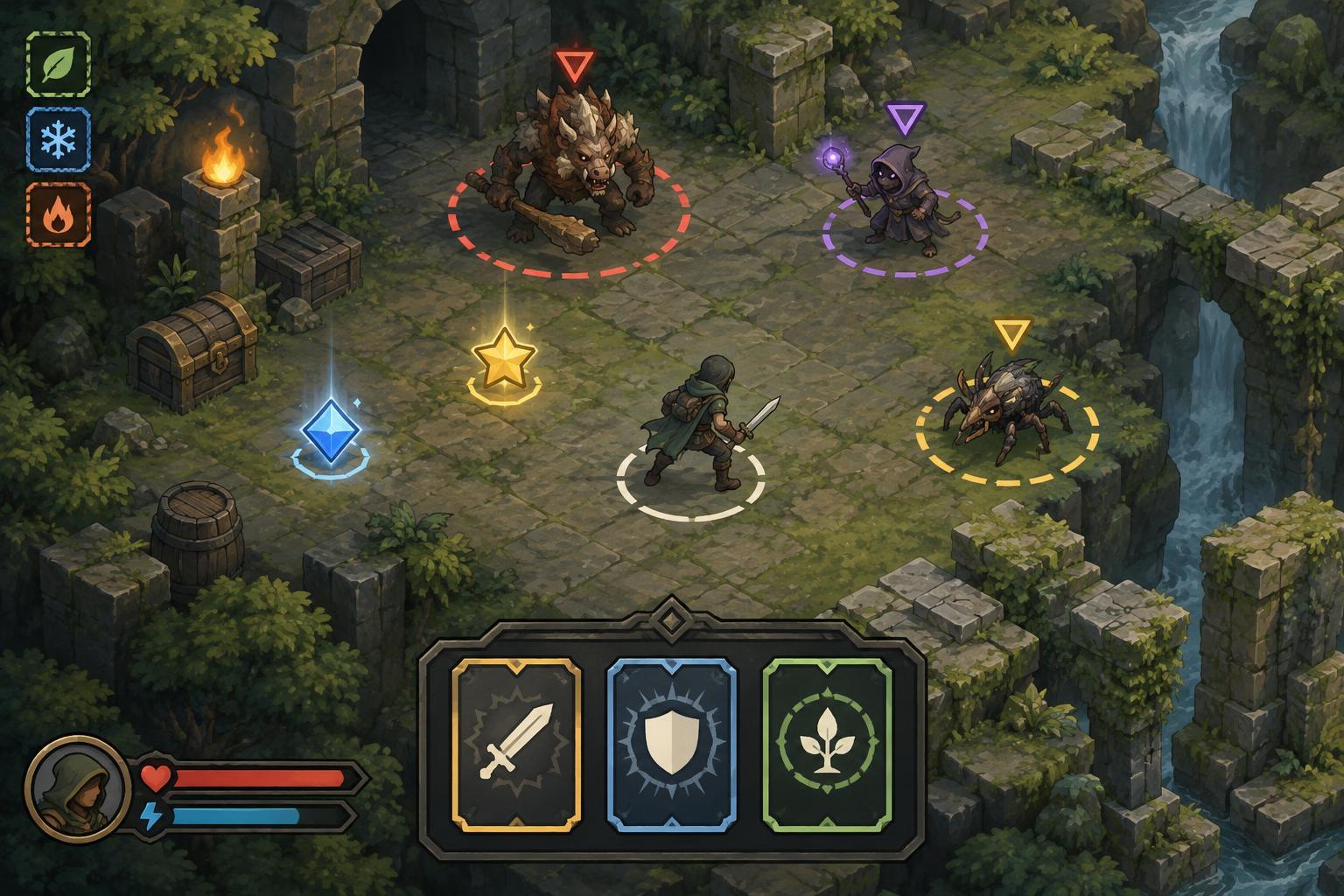
Accessibility and ControlsIn a busy roguelite run, color can help players read threats, rewards, and build choices—but it should not have to do all the work. Here is how to spot interface cues that remain useful when colors are hard to distinguish.
Read article · 4 min↗
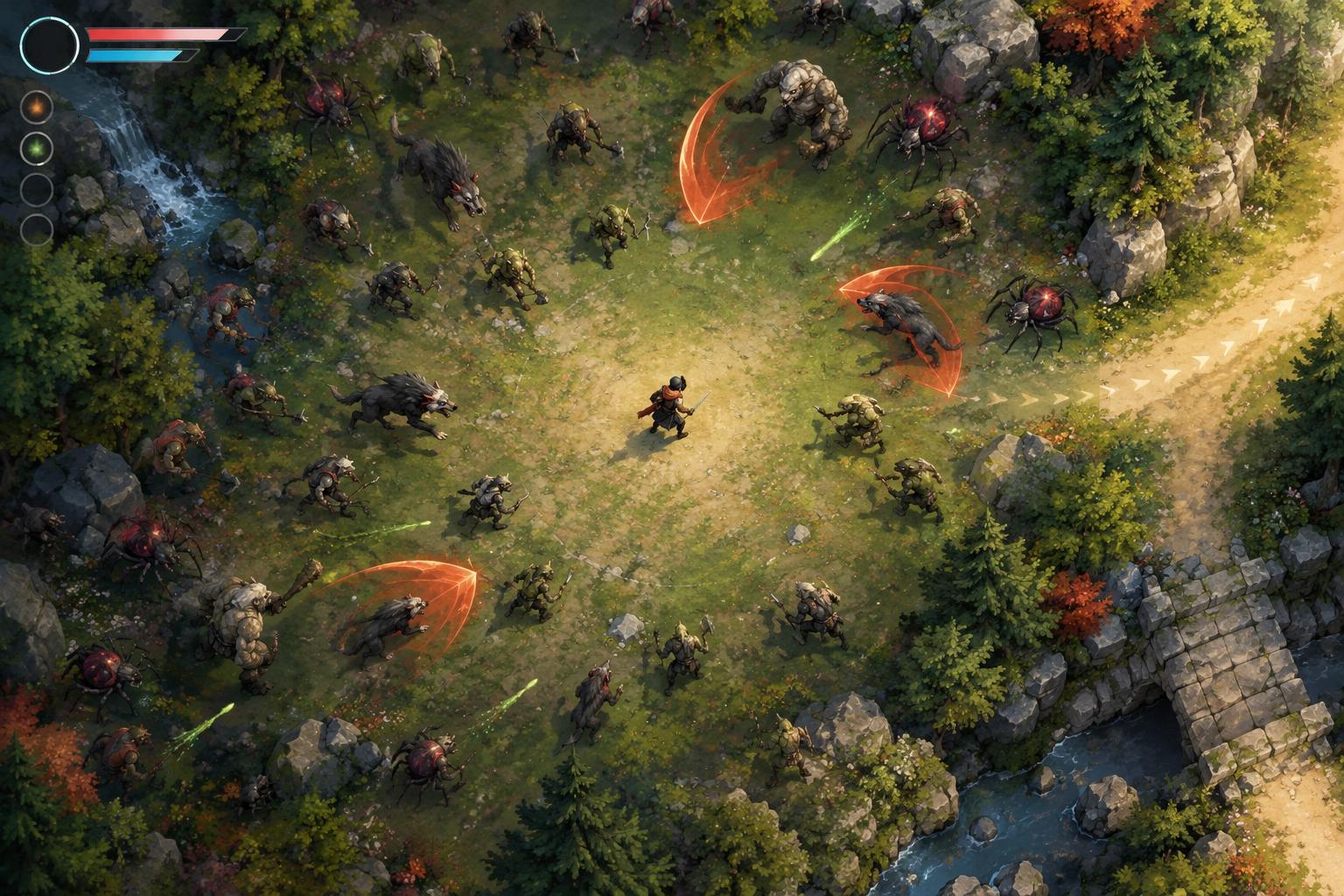
Accessibility and ControlsCrowded survival games can make important information hard to spot. Learn how to tune visual settings, arrange the interface, choose readable builds, and develop a quick scanning routine without losing the action.
Read article · 4 min↗
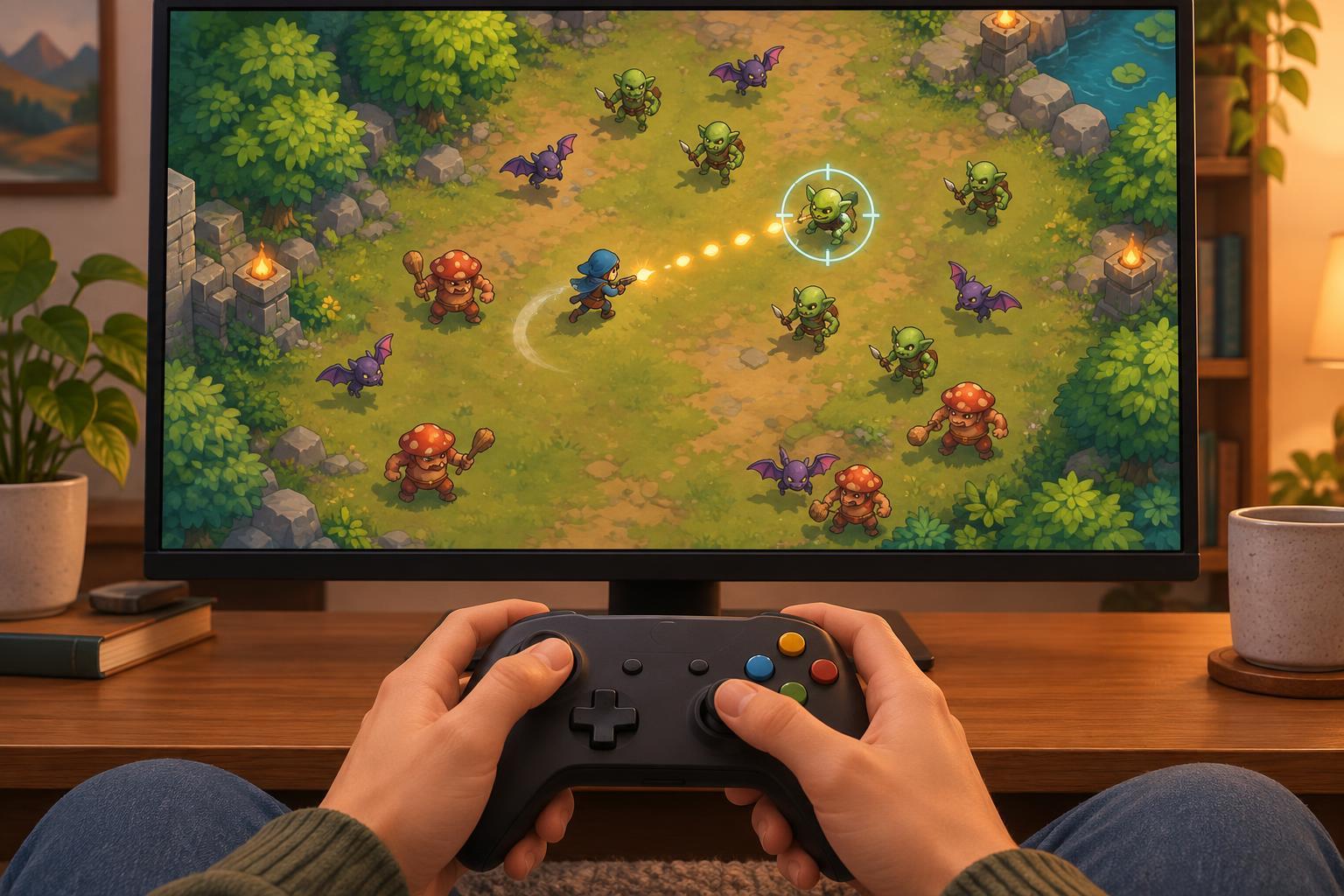
Accessibility and ControlsAuto-aim and auto-fire can make arcade-style games easier to control without removing the decisions that make them engaging. Here’s how these options affect movement, targeting, difficulty and accessibility.
Read article · 4 min↗
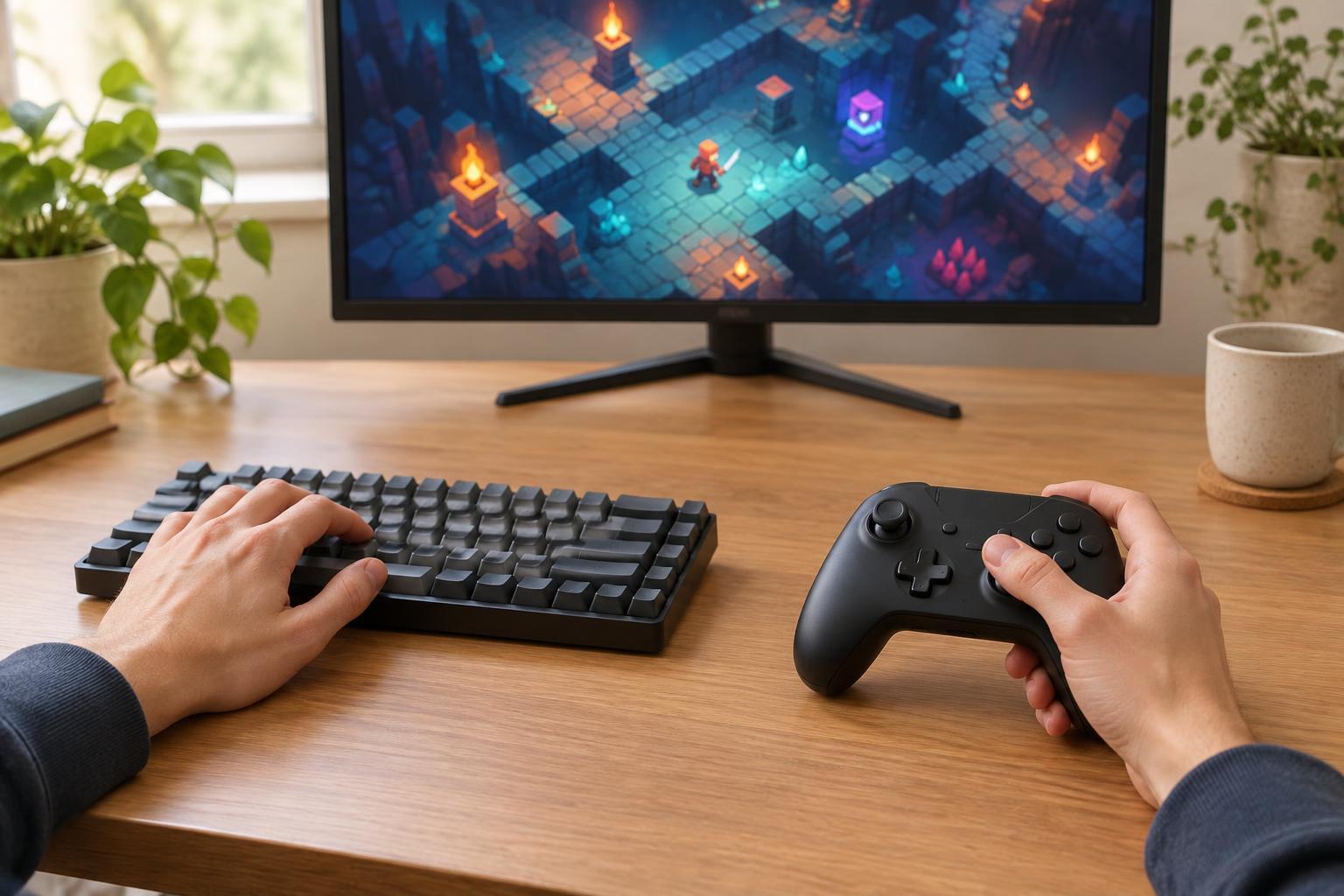
Accessibility and ControlsFast restarts and repeated inputs can make comfort as important as precision. Compare keyboard and controller controls, then use a short play test to find a setup that works for your hands and the game.
Read article · 4 min↗
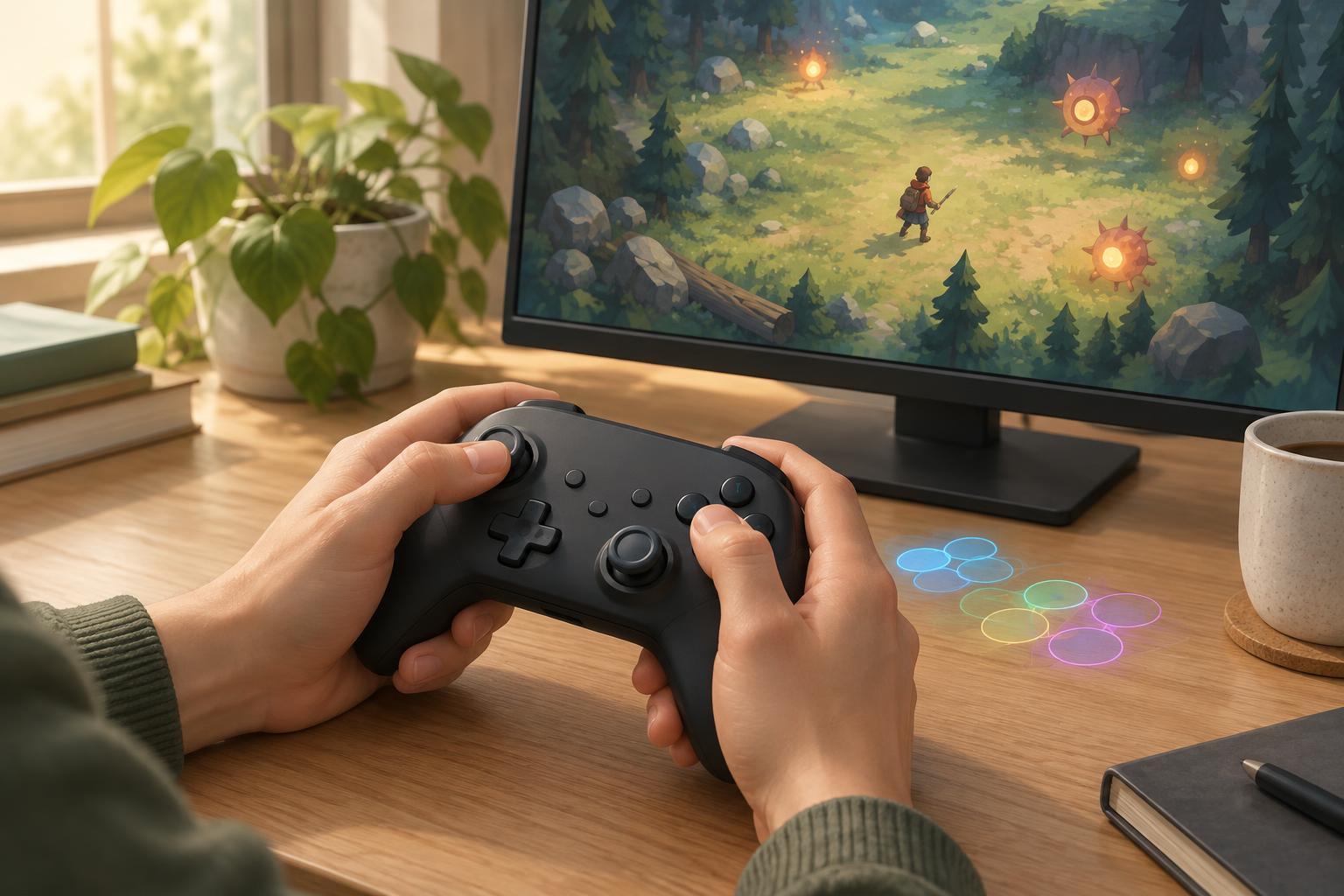
Accessibility and ControlsA comfortable control layout can make fast-paced games easier to read and play. Learn how to identify awkward inputs, change one binding at a time, and test a setup that works for your hands and your game.
Read article · 4 min↗