Start with survival, then work backward from the evolution
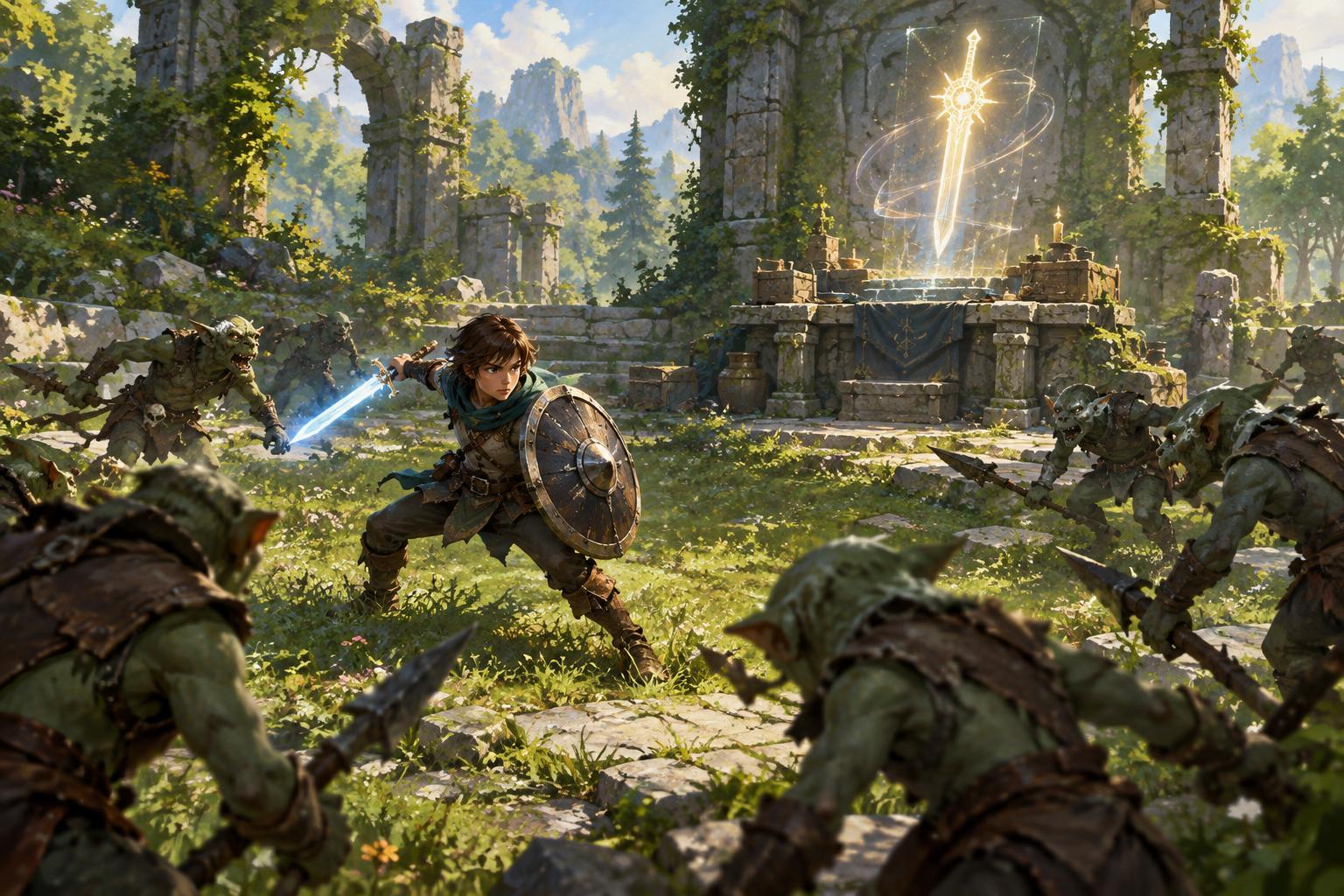
In many survival arcade games, a weapon evolution asks you to level a weapon and acquire a matching item before a later upgrade opportunity. Exact requirements differ by game, so check the rules of the title you are playing. The planning problem is more consistent: the finished weapon may be excellent, but an incomplete combination does not necessarily help you handle the enemies on screen right now.
Treat the evolution as a destination, not as your first priority on every level-up. Early in a run, ask whether you can clear nearby enemies reliably, collect experience without taking unnecessary hits and move out of crowded spaces. If any of those tasks feels difficult, an immediate damage, coverage or defensive upgrade may do more for the run than one more step toward a distant payoff. This is independent, unofficial editorial guidance, not a claim about any particular game’s optimal build.
Give each early pick a job
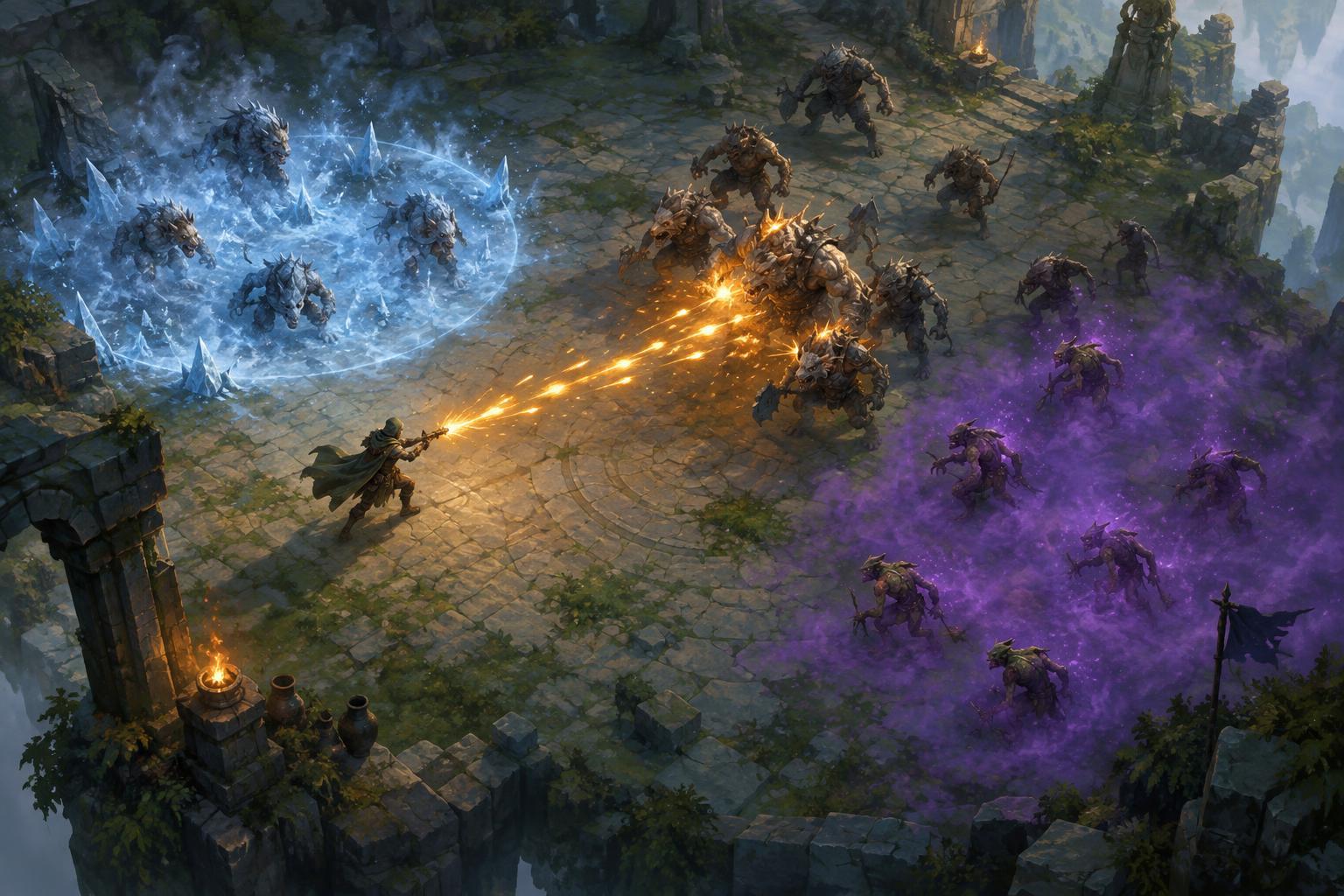
A useful early build has answers to two questions: How do I defeat enemies close to me, and how do I make room to move? A focused damage weapon can help with tougher targets, while an area attack, knockback effect or other form of crowd control can keep ordinary enemies from closing in. You do not need every tool at once, but you should notice when your current choices all solve the same problem.
Before taking a component for a planned evolution, decide what it contributes before the evolution happens. A supporting item might improve several weapons, help you stay alive or make experience collection easier. If it does little for your present build, consider delaying it until your damage and movement feel stable. Likewise, leveling the future evolution weapon makes sense when that weapon is already earning its place in the loadout; it is riskier when you are investing repeatedly in an attack that still cannot clear a path.
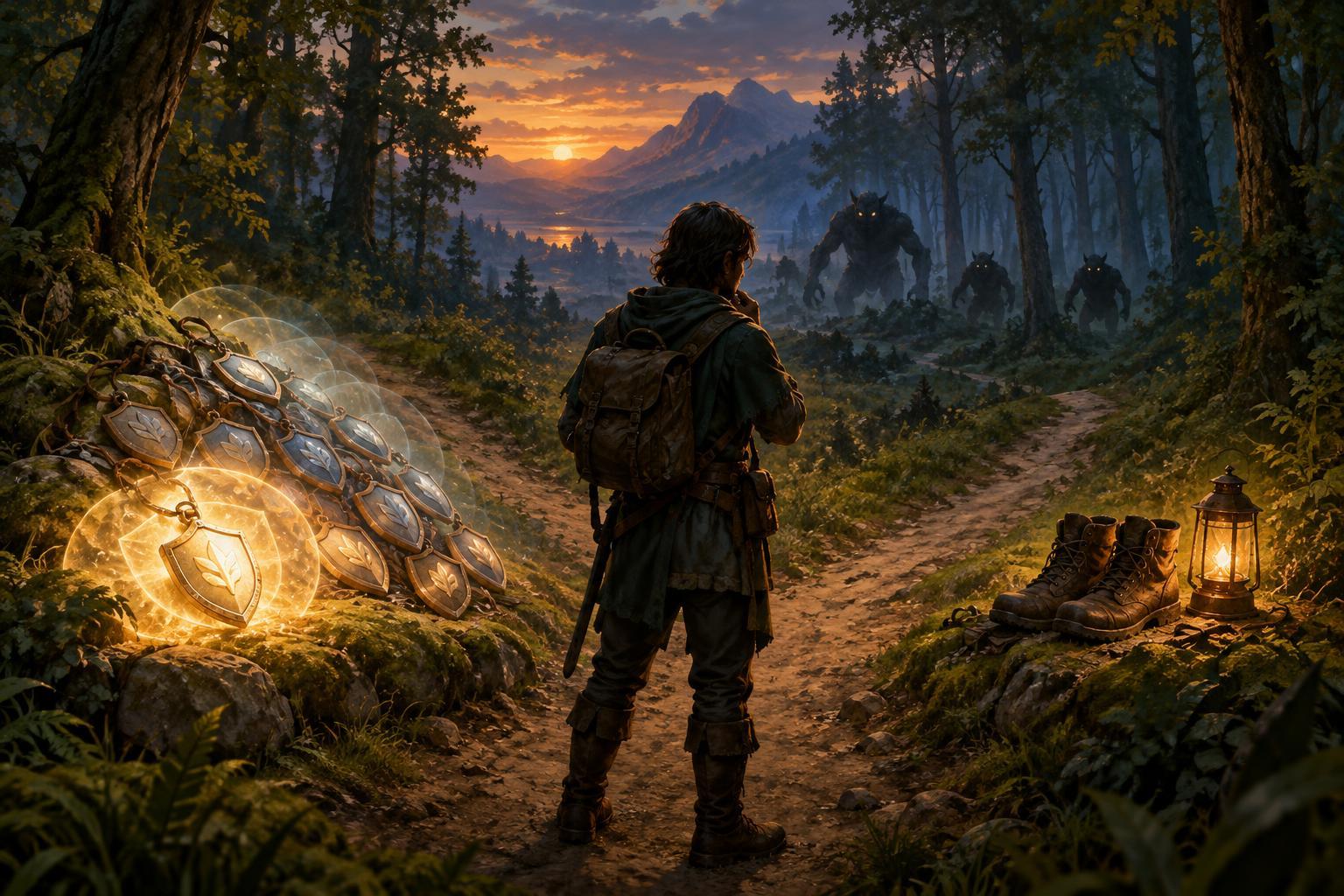
Think of early upgrade choices as a budget. Some picks pay for themselves immediately, while others are investments. A healthy run can afford a few investments, but too many at once may leave you unable to collect the experience needed to finish them.
Reserve slots without locking yourself in
Limited weapon and item slots make evolution planning more than a question of finding the right pair. If you fill every slot with unrelated choices, you may be unable to complete the combination you wanted. On the other hand, refusing useful upgrades while waiting for one specific component can weaken the run. Keep a preferred evolution in mind, then identify one or two acceptable alternatives before your slots begin to fill.
A simple plan has three parts: one main weapon you expect to keep upgrading, one tool that covers its weakness and one flexible slot for what the run offers. For passive items, distinguish between a required partner and items that are merely helpful. If the required partner appears while you are stable, taking it can protect your long-term plan. If it appears while enemies are overwhelming you, an immediate survival pick may be the better choice—especially if you still have room to find the partner later.
Avoid adding several unfinished evolution projects at the same time. Each project competes for levels and slots. Completing one dependable core often gives you more freedom to experiment with the remaining space.
Use checkpoints to change priorities
Reassess your plan at practical moments rather than after every small mistake. When you gain a level, ask whether the offered pick solves your most urgent problem. When the screen becomes crowded, ask whether you need more damage, wider coverage or safer positioning. Before a known upgrade opportunity, check whether the components you need are actually ready under that game’s rules.
These checkpoints help prevent a common trap: assuming that because you chose an evolution early, you must keep choosing it. If the necessary item has not appeared, your main weapon feels ineffective or a different combination now suits your loadout better, change course. A pivot is not a failed plan. It is a response to the choices the run has given you.
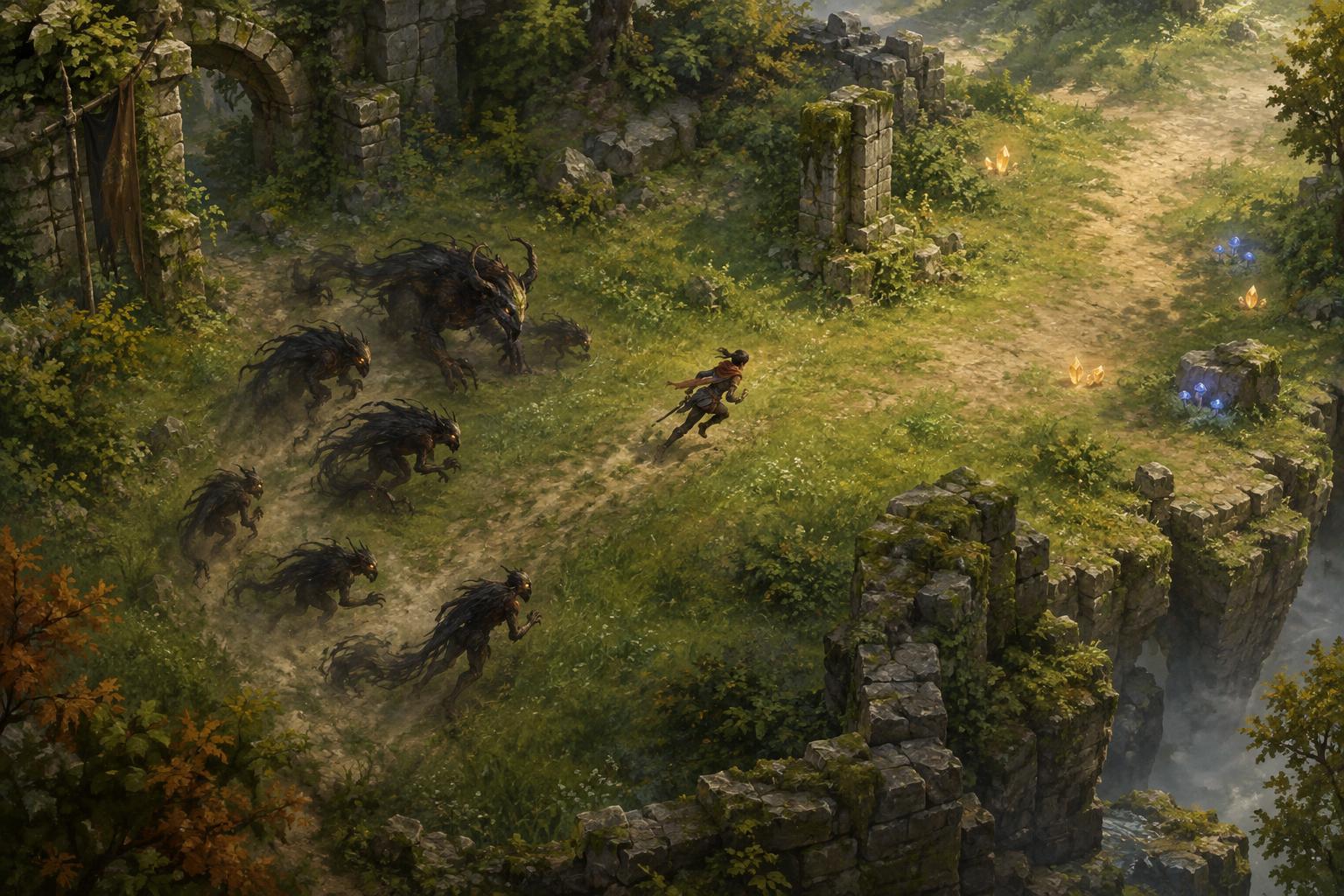
Positioning matters during this process. Do not take extra damage just to collect experience immediately or reach an upgrade opportunity before your build can handle the surrounding enemies. Staying alive and continuing to earn upgrades is what gives a long-term plan time to work.
Judge the plan by the run, not just the final weapon
After a run, it is tempting to ask only whether you achieved the evolution. A better review looks at the path there. Did the base weapon help enough while you leveled it? Did its partner item support the rest of your build? Were you short on damage, protection or open slots at a particular point? Those answers tell you what to change next time, even if you never reached the finished weapon.
Try adjusting one decision at a time. You might take an early coverage upgrade before pursuing the same evolution, leave an item slot open longer or choose a different secondary weapon. Small changes make it easier to see what improved the run. The goal is not to force the same combination every time; it is to reach a strong build without making the opening minutes harder than they need to be.