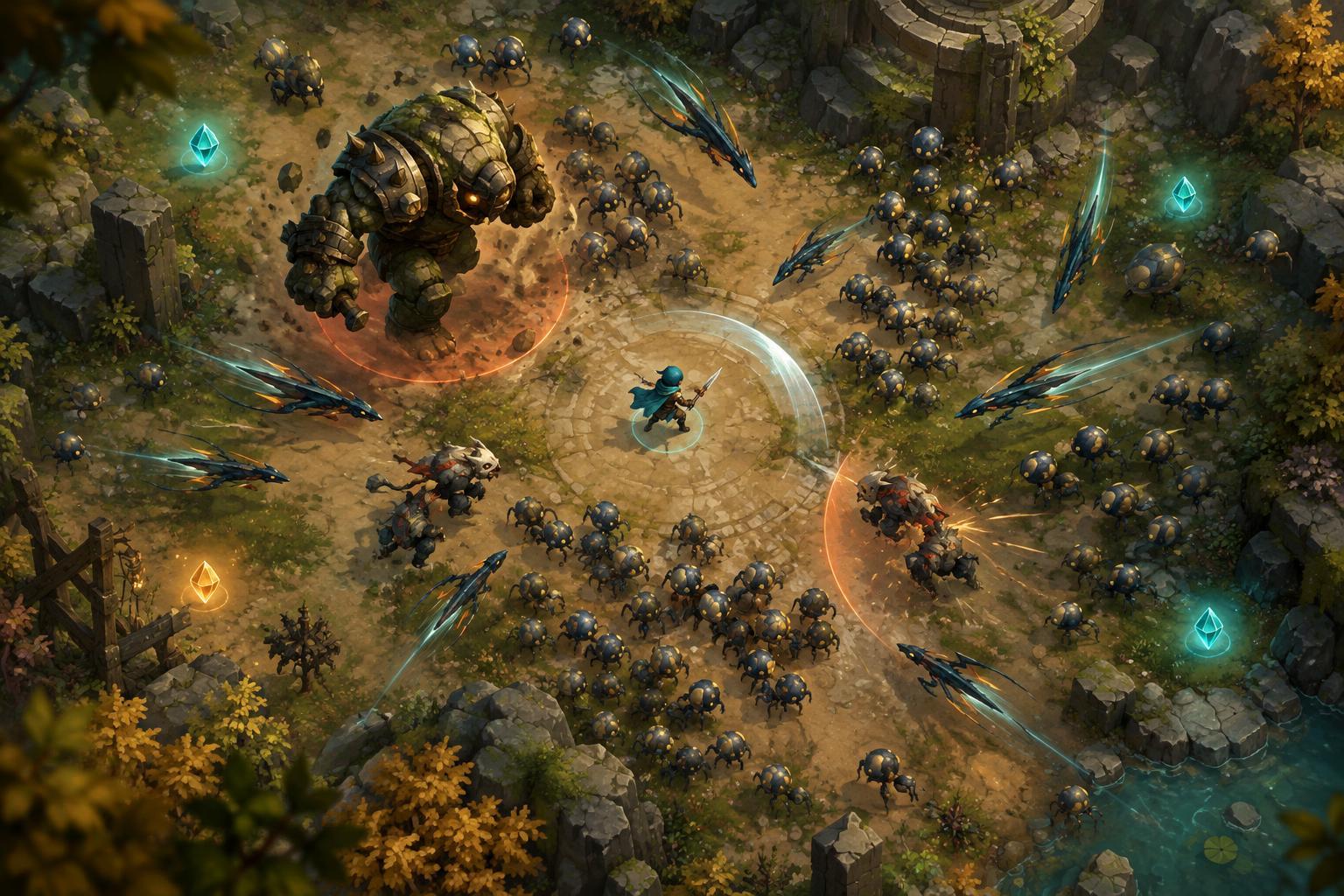
Game DesignA crowded arena can feel exciting without becoming confusing. Learn how enemy silhouettes, effects, pickups and feedback can help players spot danger and make decisions under pressure.
Read article · 4 min↗
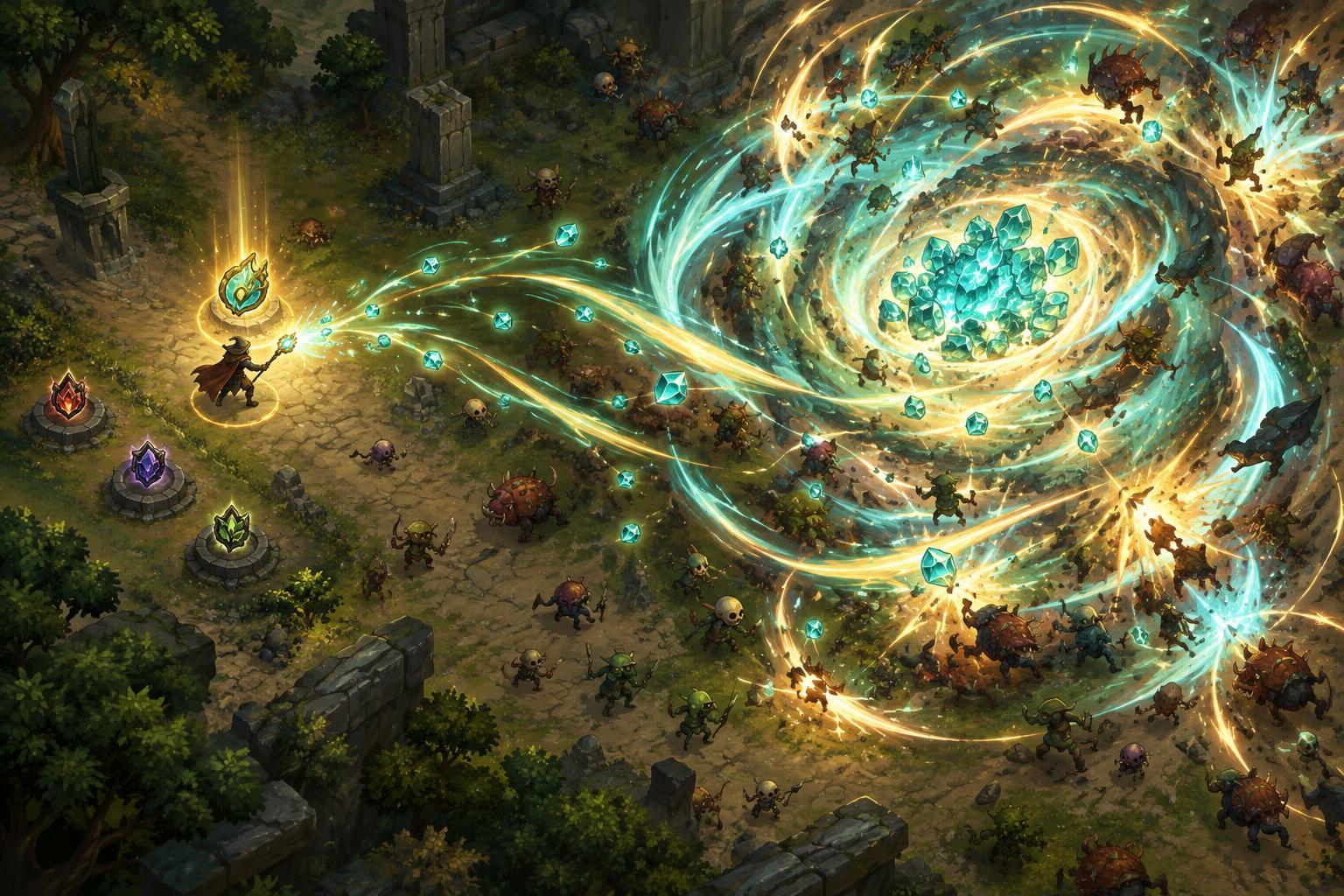
Game DesignAn early upgrade should feel rewarding, but it should not decide the rest of a run. Here is how runaway advantages develop in survival and roguelite games, how to spot them in playtests, and how to keep strong starts exciting without making later choices irrelevant.
Read article · 4 min↗
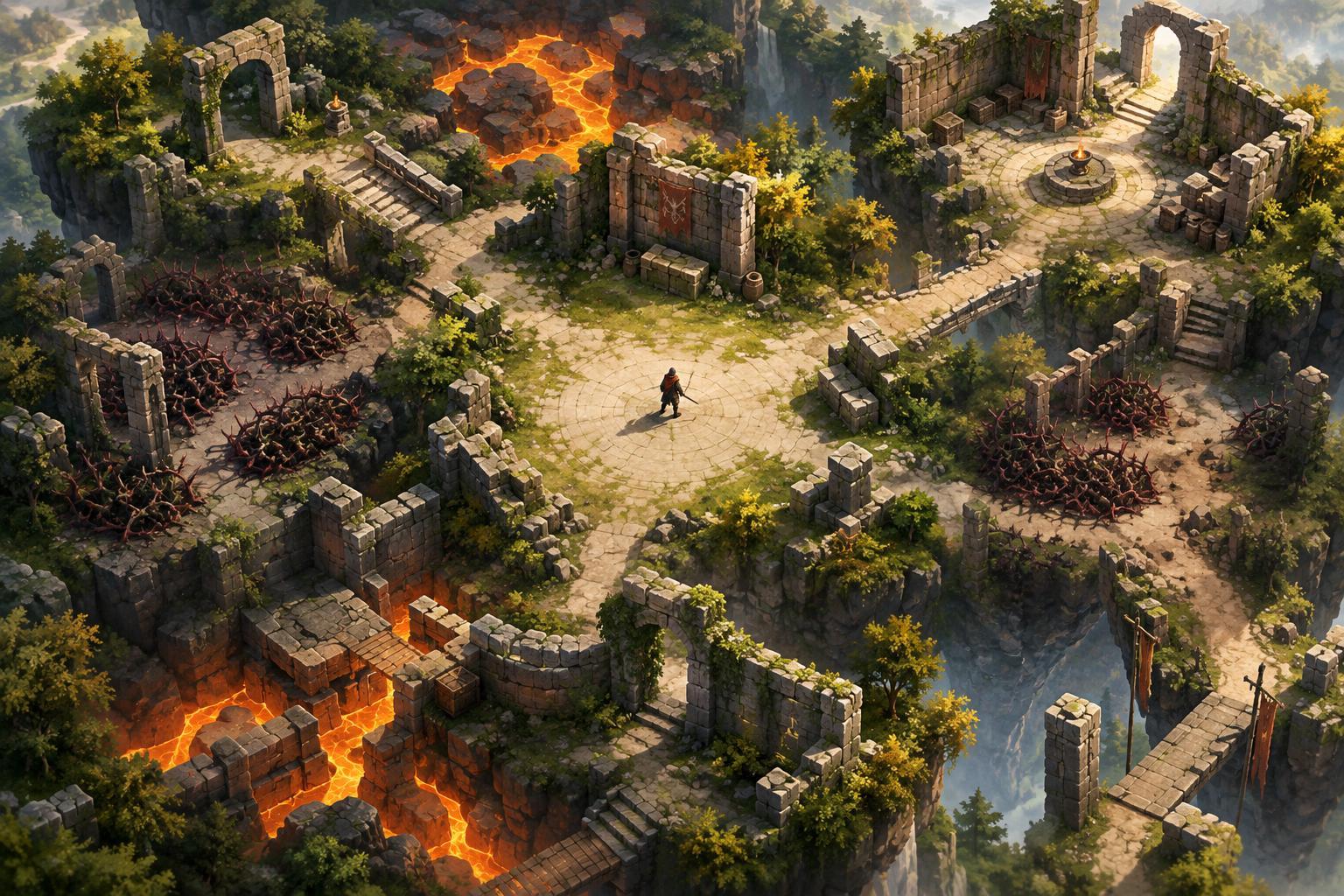
Game DesignProcedural arenas can make repeat runs feel fresh, but variation loses its appeal when players cannot read routes, hazards or safe spaces. Here are practical ways arena design can balance surprise with clear decisions.
Read article · 4 min↗
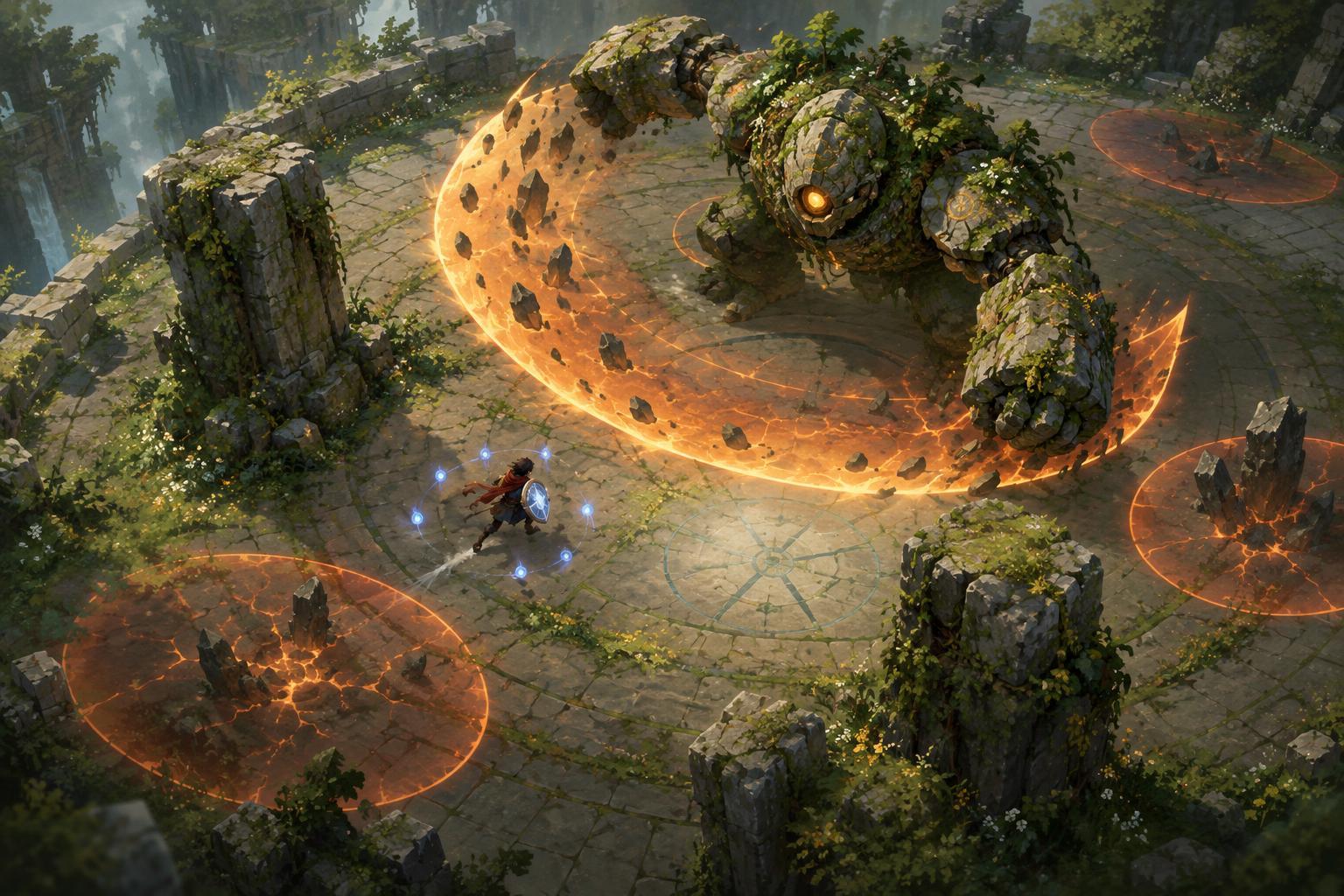
Game DesignA strong boss encounter asks players to use the skills they have practiced throughout a run. Explore how movement, build choices, readable attacks, arena design, and recovery windows can make a boss feel like a meaningful test rather than a separate game.
Read article · 4 min↗
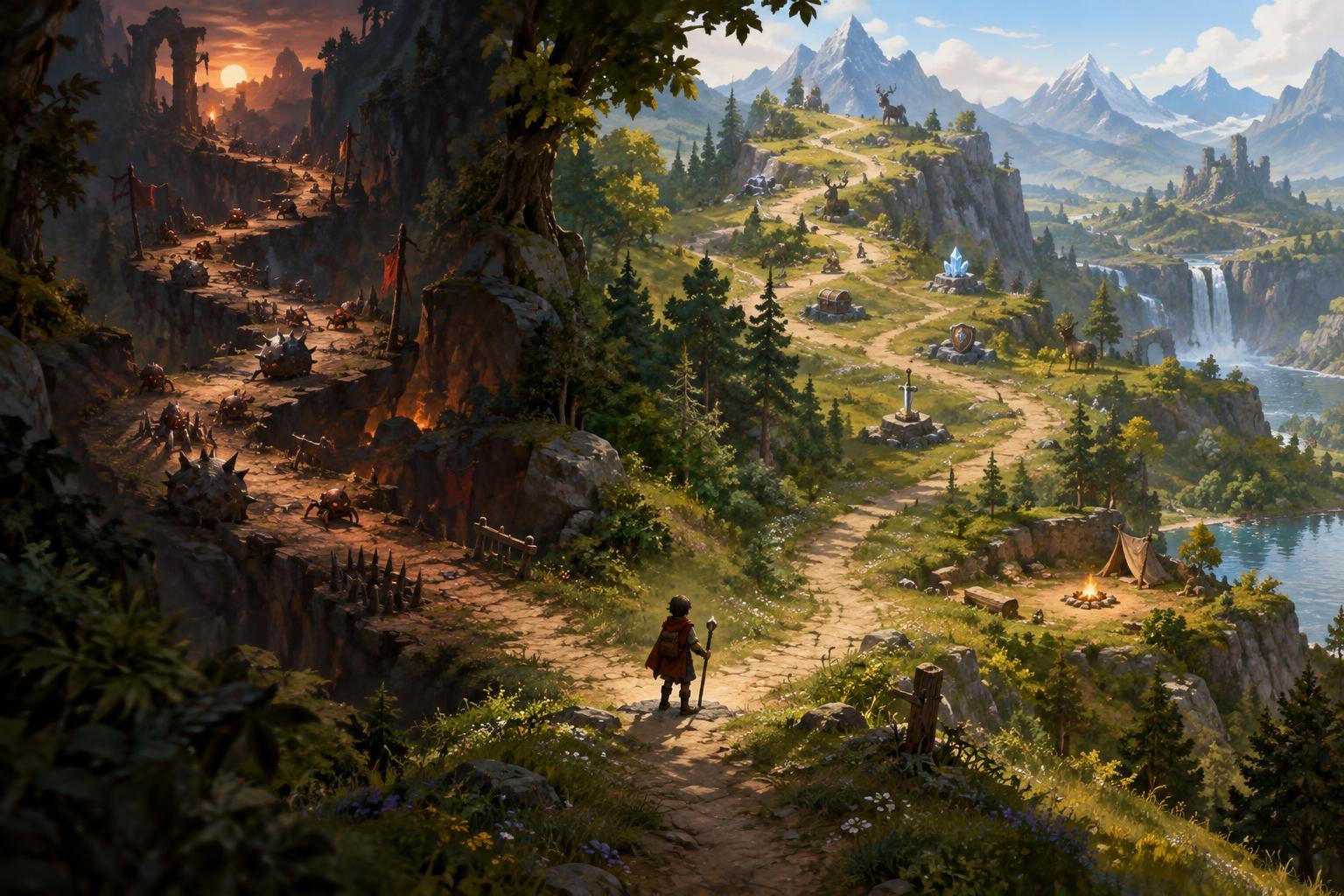
Game DesignA run’s length shapes more than the time between starting and losing. It affects how quickly choices matter, how often players try again, and whether a build has room to develop. Here is a practical way to think about duration in survival and arcade-style game design.
Read article · 4 min↗
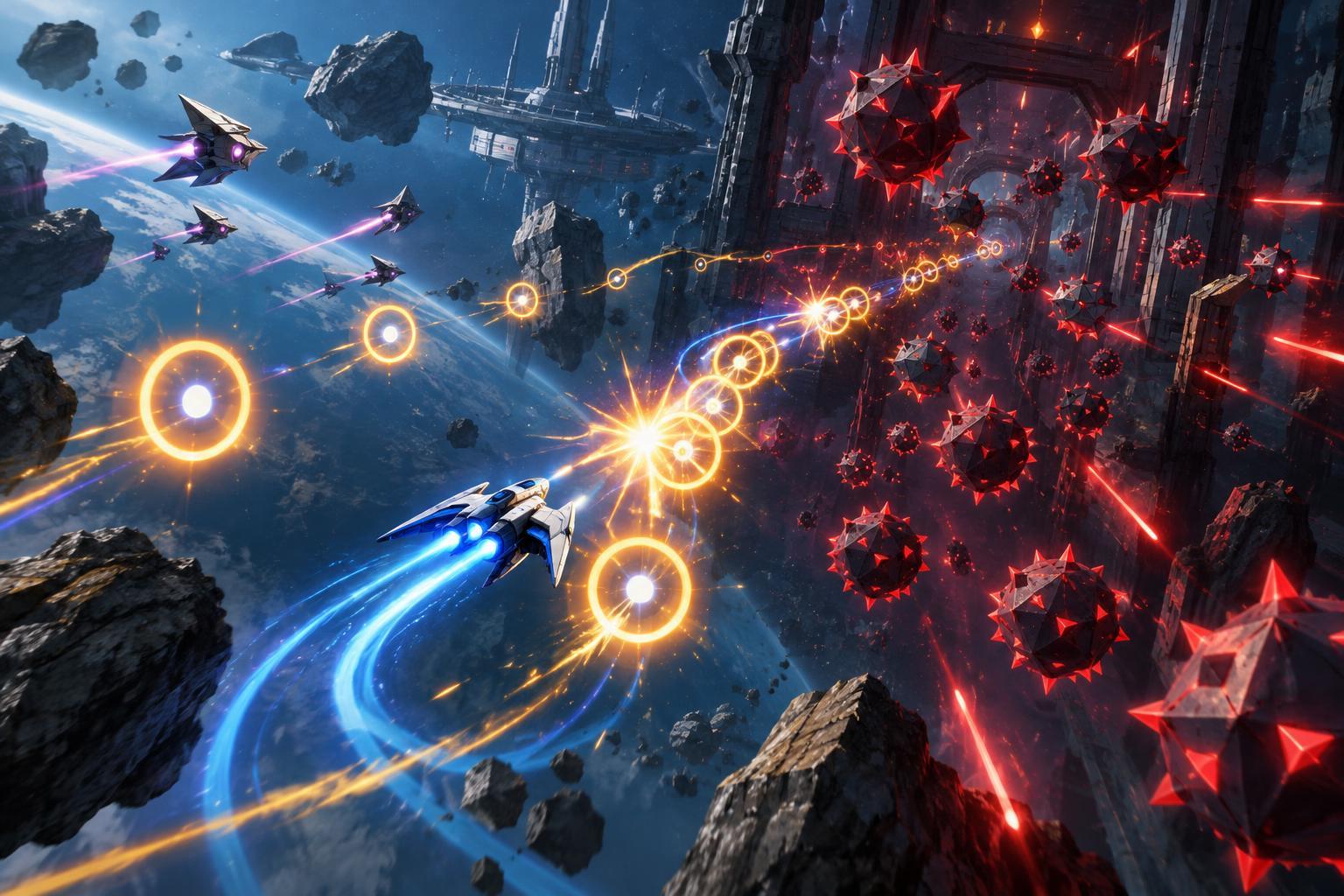
Game DesignArcade scores do more than rank players. They show which actions a game values, while combos encourage players to repeat those actions under pressure. Learn how multipliers, timing windows and risk shape a scoring system—and why the biggest number is not always the best measure of a good run.
Read article · 4 min↗
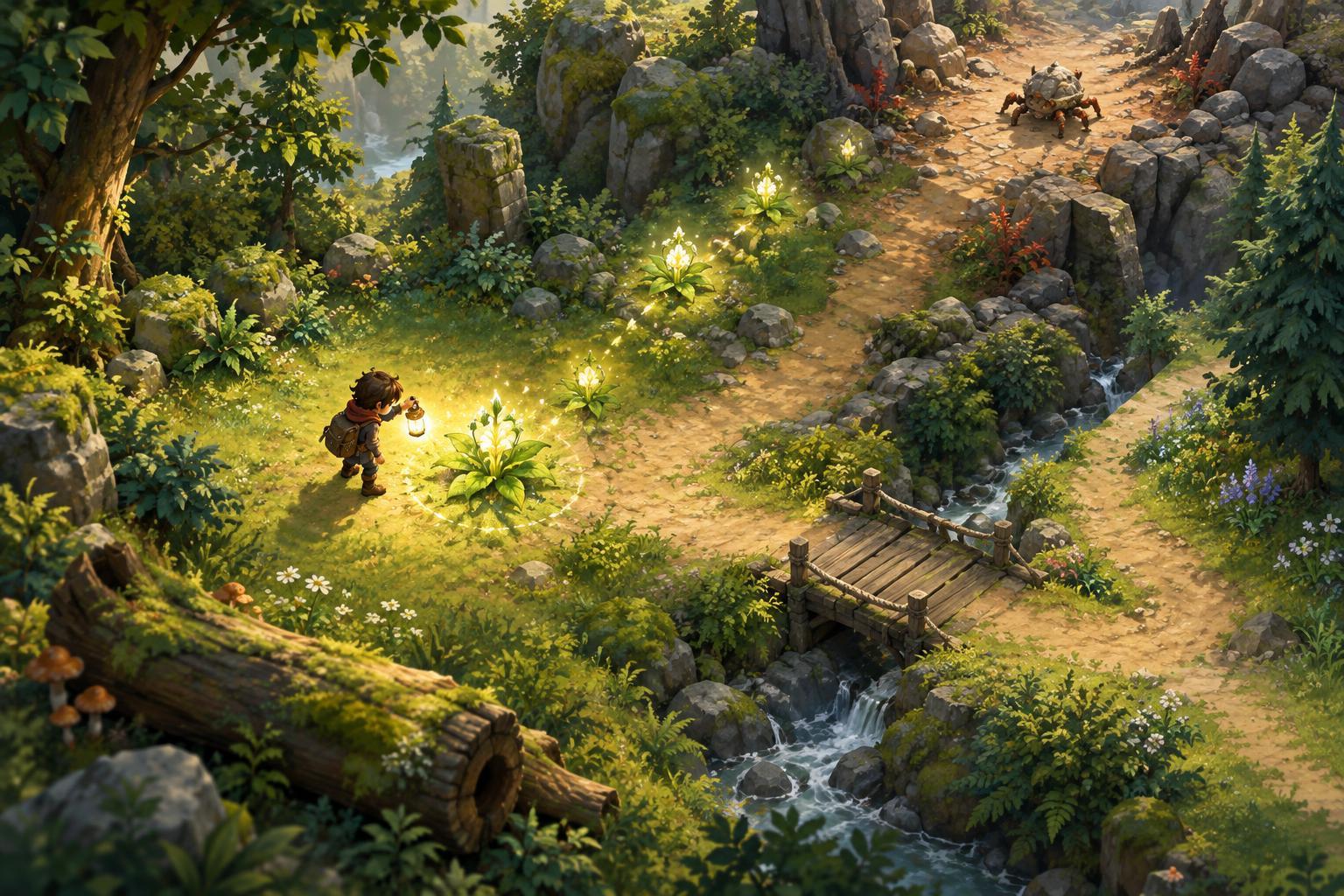
Game DesignA good first level can teach without stopping the action. Explore how survival, roguelite, and arcade games use safe experiments, readable feedback, and gradual choices to help players learn by doing.
Read article · 4 min↗
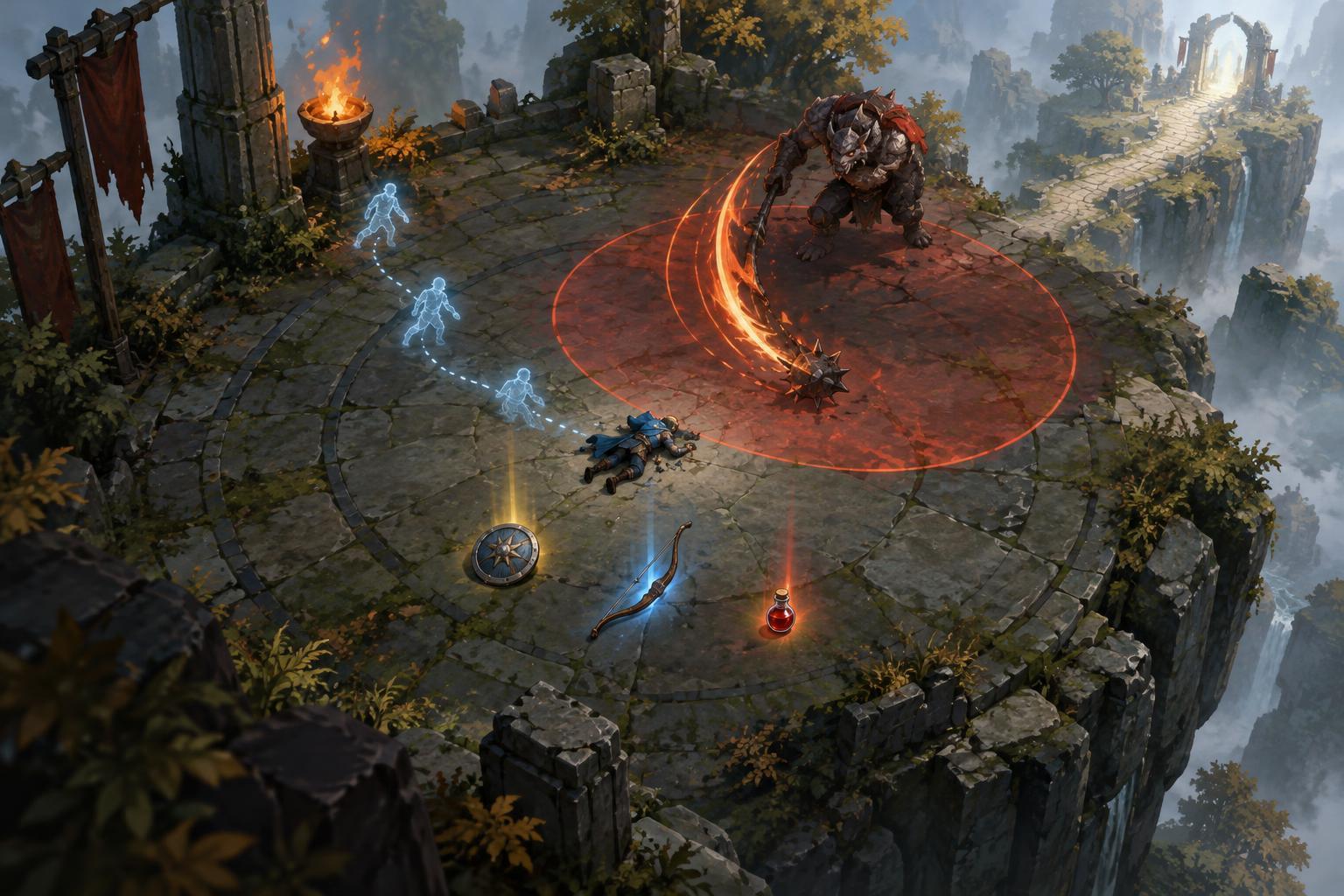
Game DesignA defeat can teach players without handing them the answer. Clear threats, readable feedback and useful post-run summaries help turn another attempt into a meaningful choice.
Read article · 4 min↗
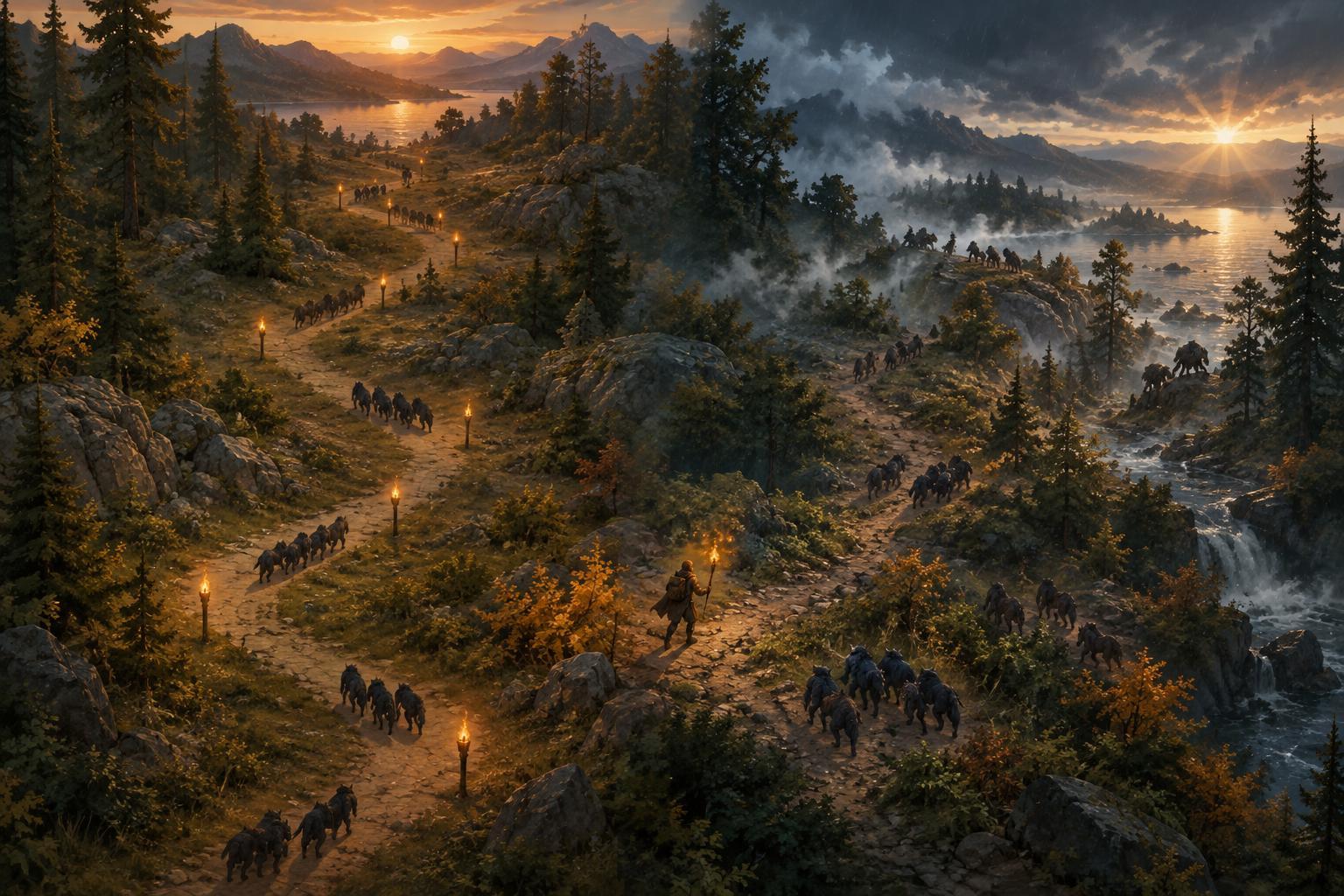
Game DesignA fixed difficulty curve gives survival-game players a challenge they can learn and anticipate. Adaptive difficulty reacts to how a run is going. Neither approach is automatically fairer: the best choice depends on what players need to understand, how much variety the game offers, and which decisions its designers want to reward.
Read article · 4 min↗
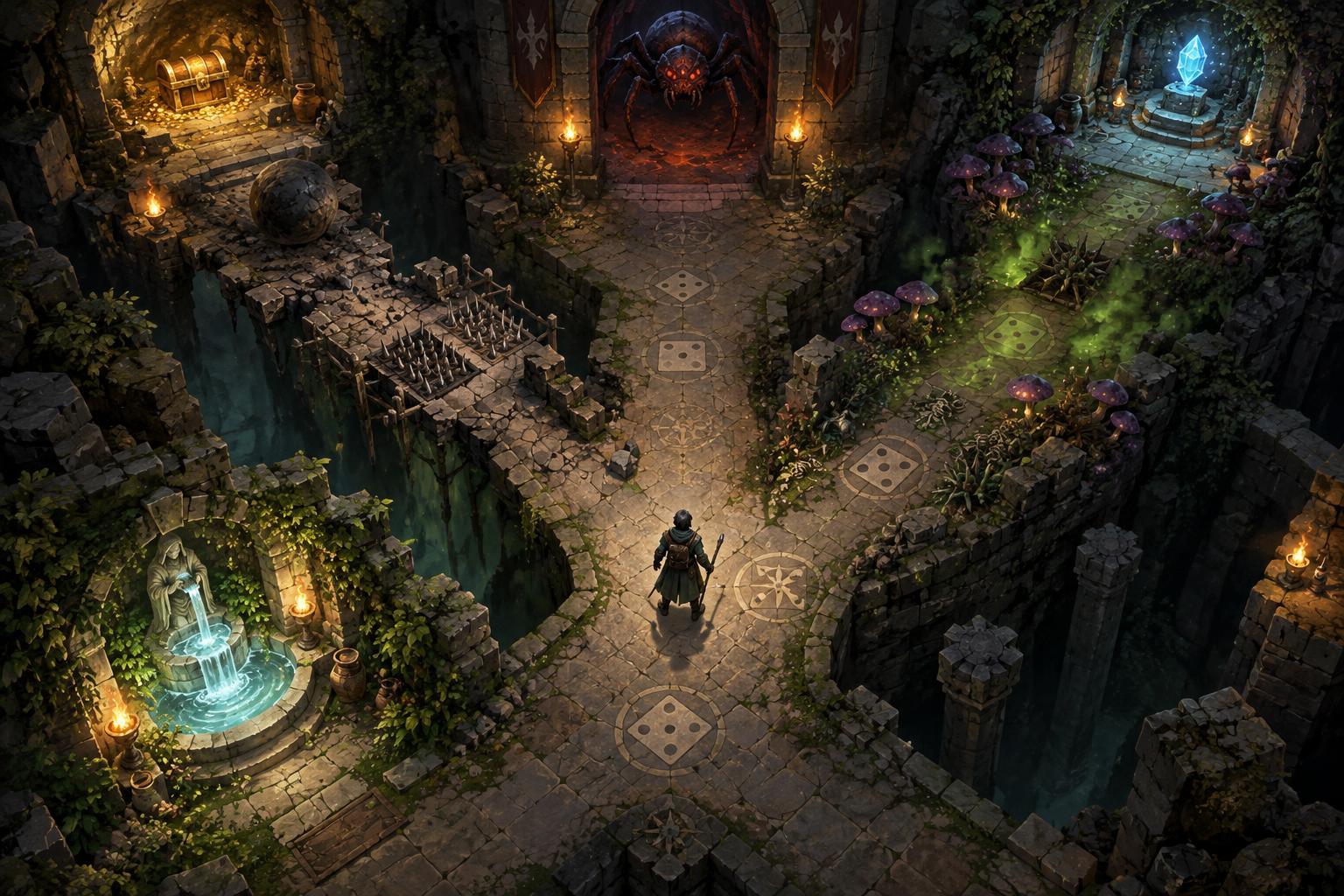
Game DesignRandom rewards and unexpected threats give roguelites their replay value, but surprise alone does not make a run satisfying. Explore how clear choices, readable danger, and recovery options help chance feel fair.
Read article · 3 min↗
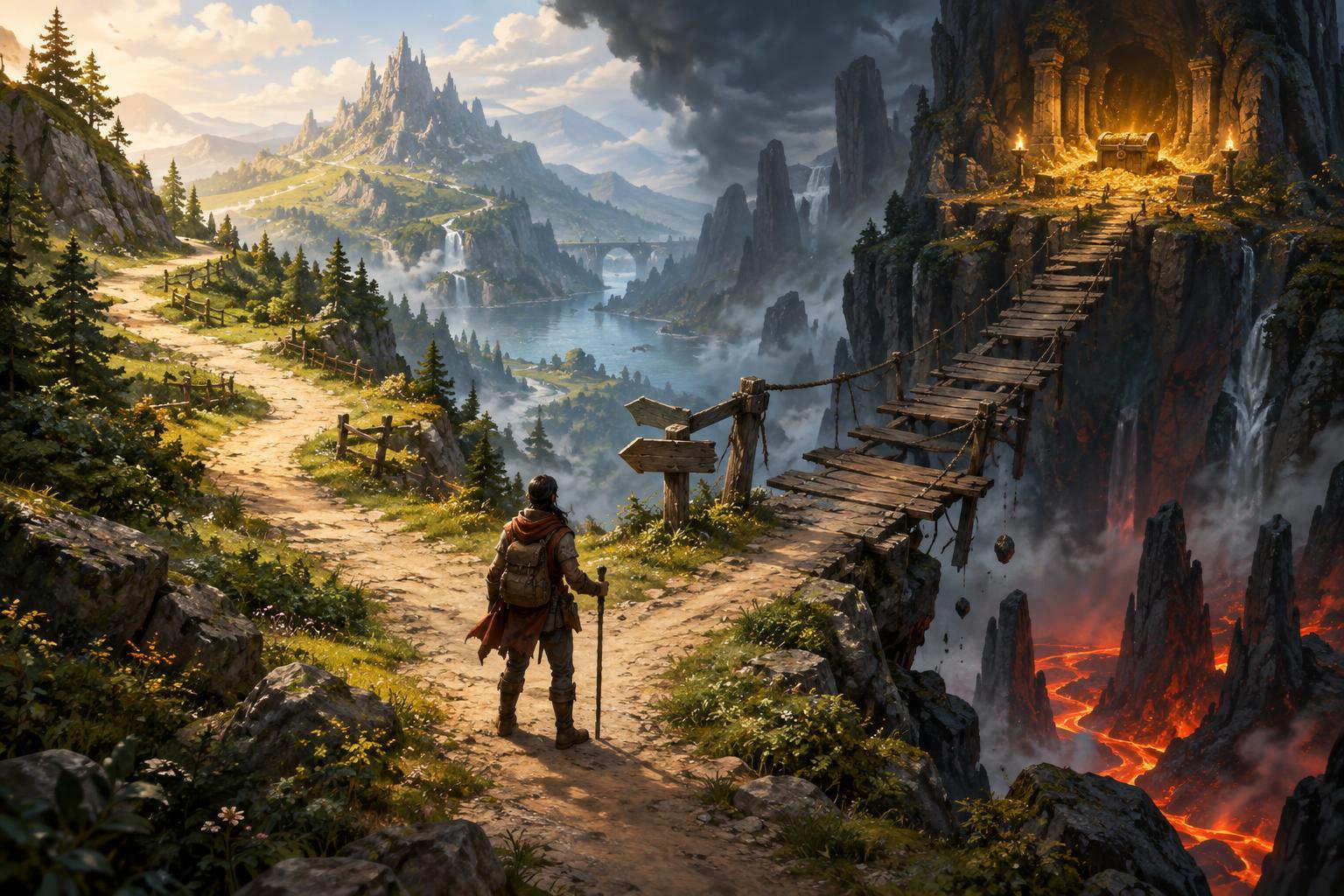
Game DesignOptional challenges give players a reason to test their limits without making every run harder. Here is how clear choices, meaningful stakes, fair rewards, and accessible controls can make those moments satisfying in survival and arcade-style games.
Read article · 4 min↗
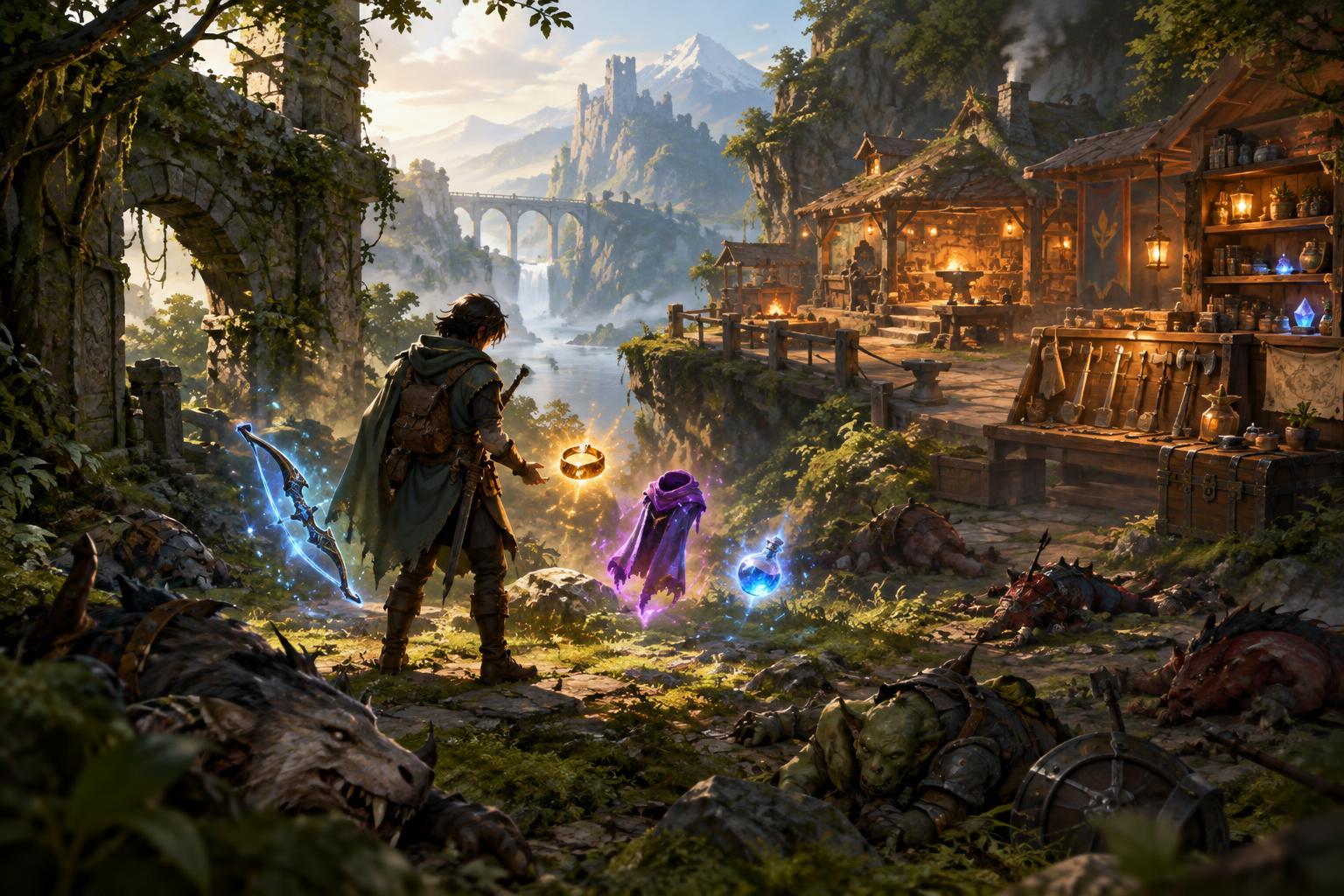
Game DesignA run can be satisfying because of the choices you make within it, while lasting unlocks can give you a reason to return. Here is how the two forms of progression work together in survival, roguelite and arcade-style games.
Read article · 4 min↗
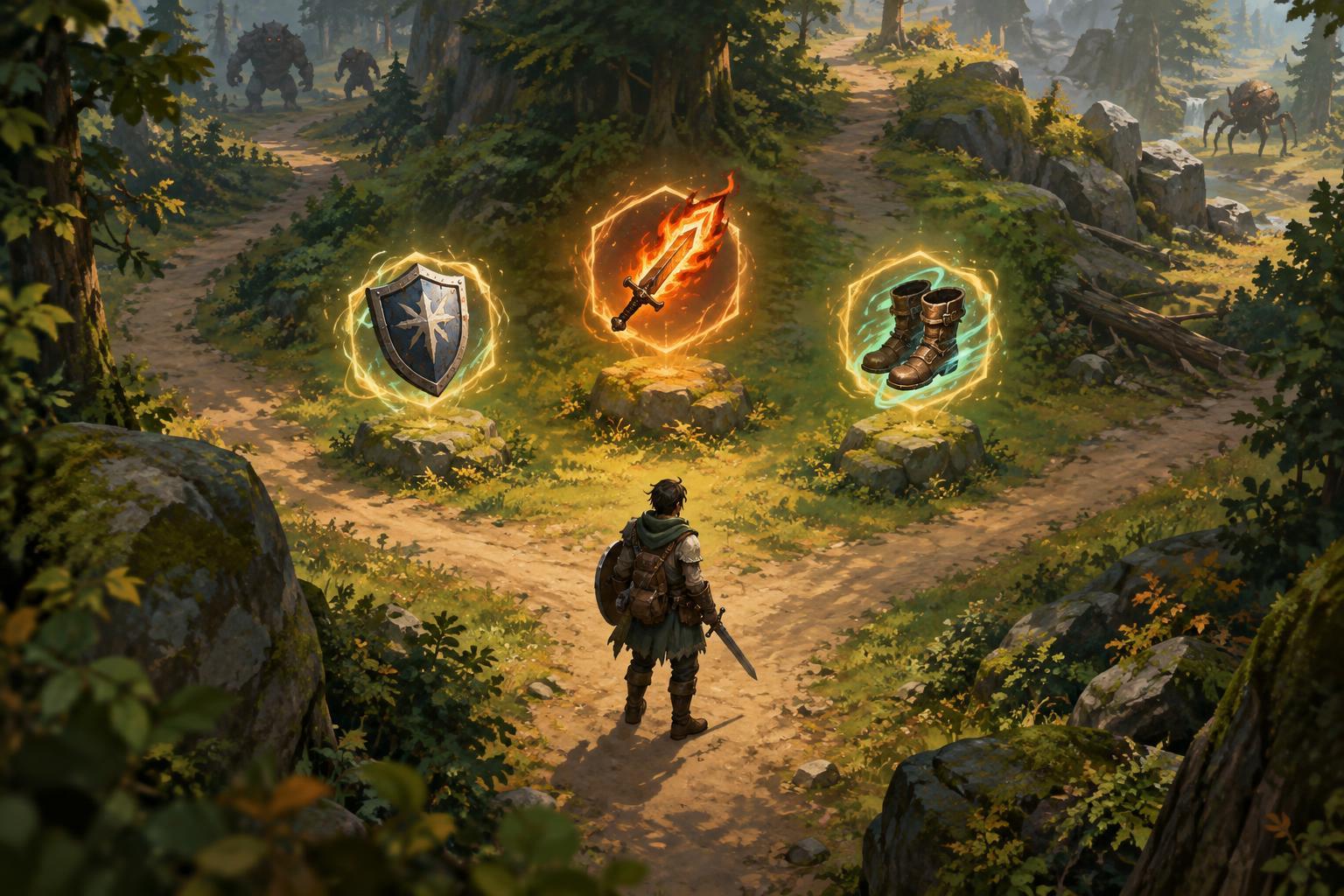
Game DesignA random upgrade draft can make each survival or roguelite run feel different without making players feel powerless. The key is to offer choices that connect to the player’s current build, make trade-offs legible, and leave room to recover when a desired upgrade never appears.
Read article · 4 min↗
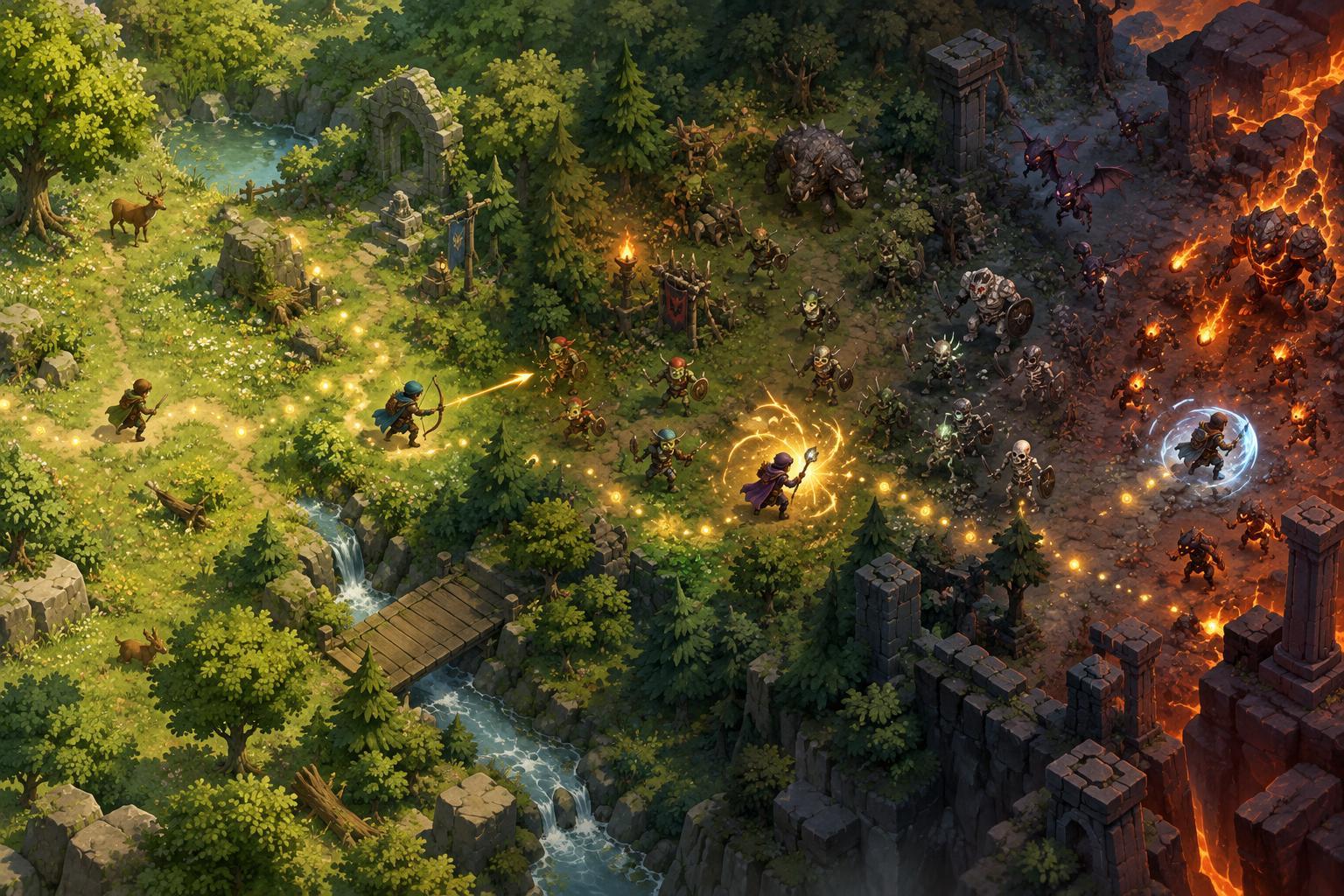
Game DesignIn survival and arcade-style games, experience points do more than measure progress: they set the rhythm of decisions. Here is how designers can pace level-ups, preserve meaningful choices and avoid turning late-game rewards into routine interruptions.
Read article · 4 min↗
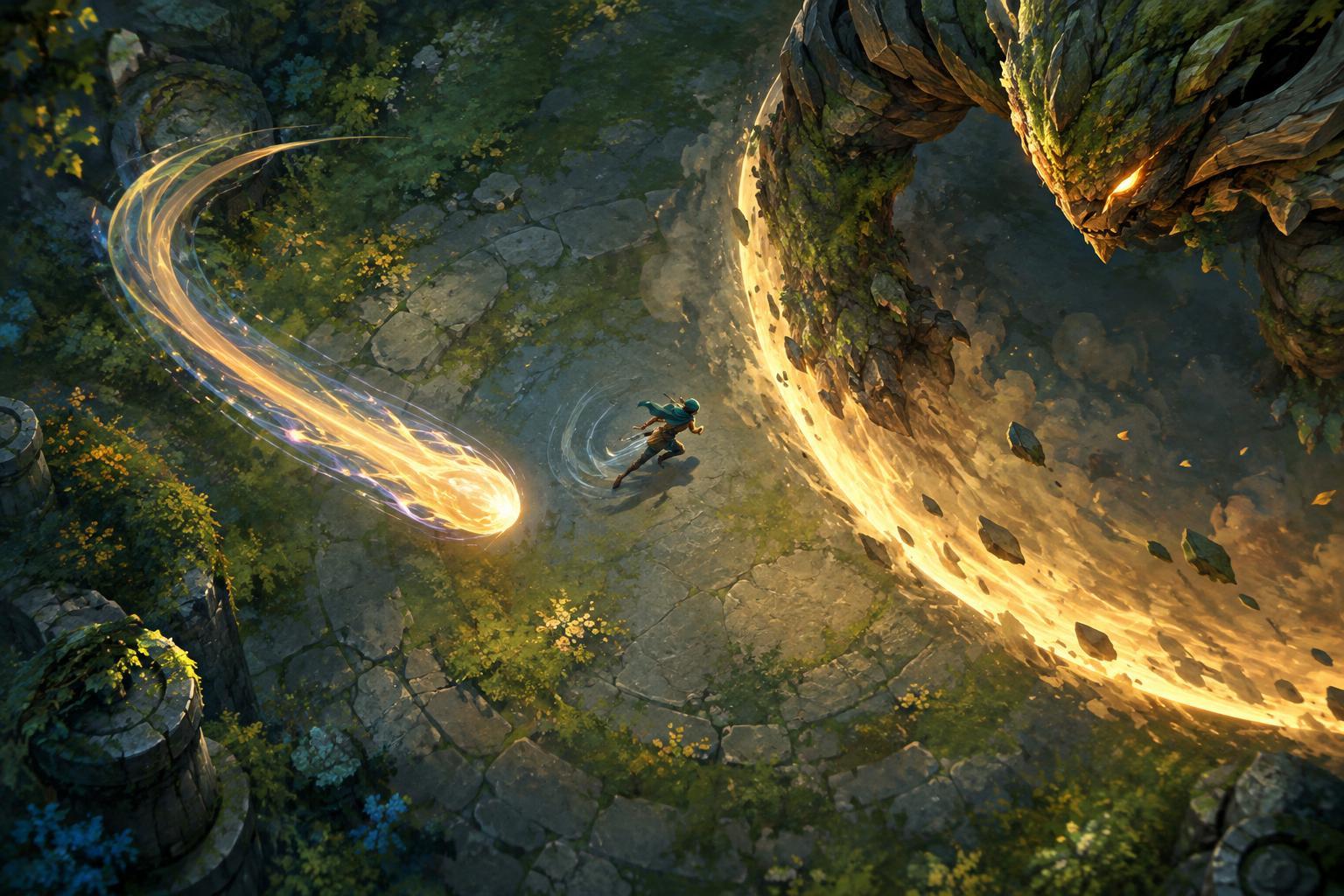
Game DesignA near miss can make a survival game thrilling—or make its controls feel unfair. Here is how hitboxes, visual cues, and damage rules shape a player’s sense of trust.
Read article · 4 min↗
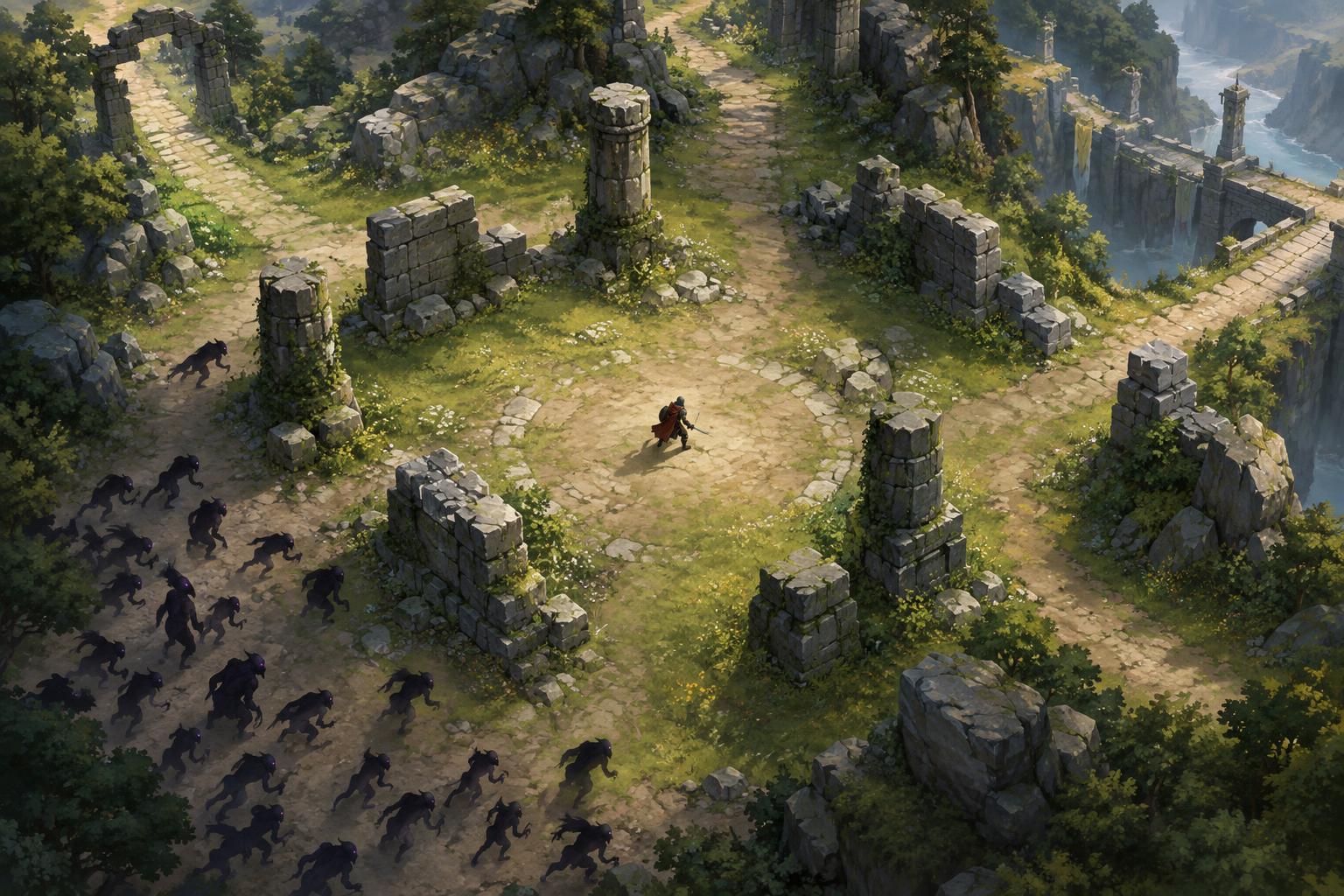
Game DesignArena layout shapes every survival run. Learn how open ground, obstacles and narrow passages affect movement, enemy pressure and the routes that keep your options open.
Read article · 4 min↗
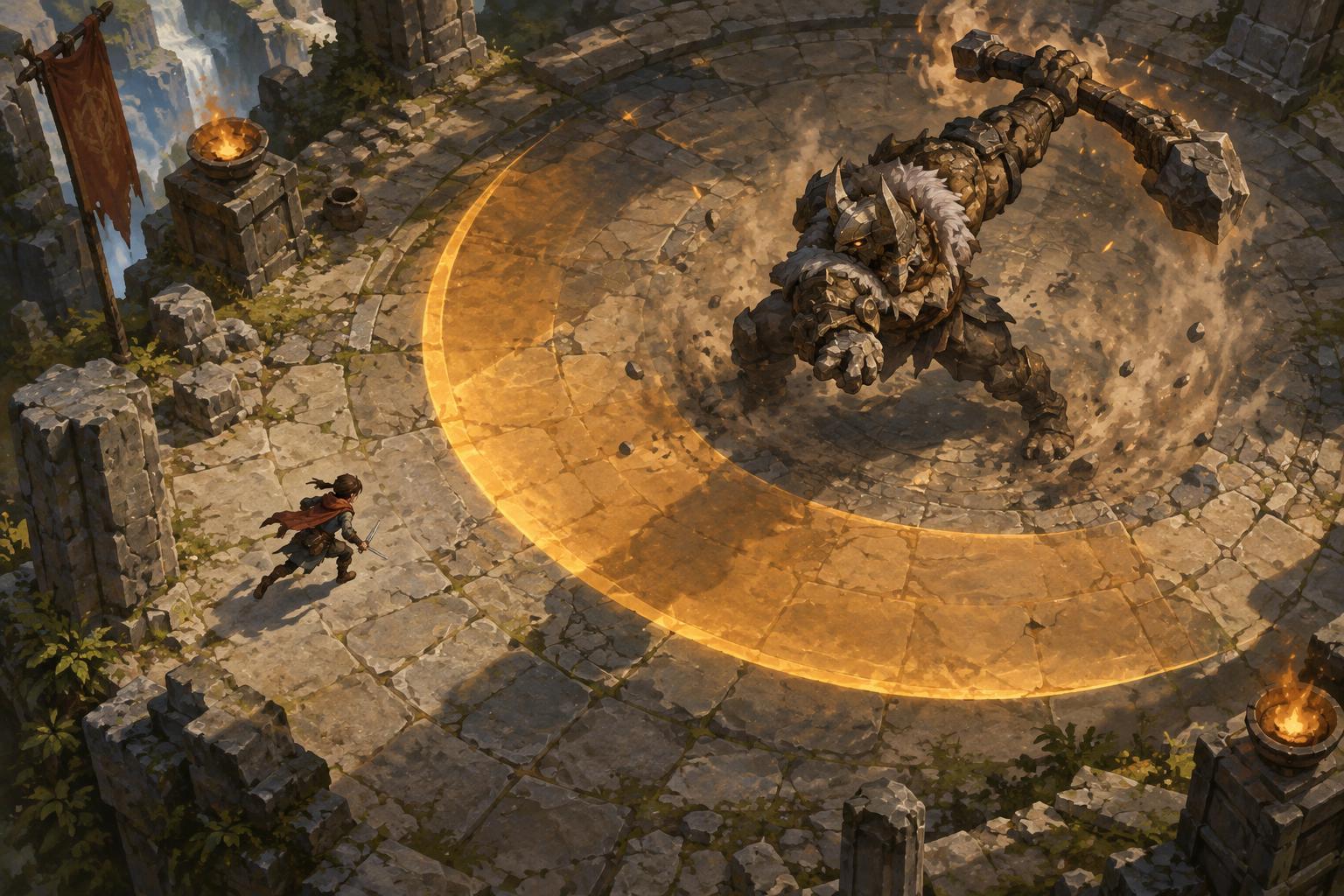
Game DesignA hard-hitting attack can still feel fair when players have a meaningful chance to recognize and answer it. This independent editorial guide looks at how timing, visual clarity, sound and encounter pacing turn attack telegraphs into useful information rather than decoration.
Read article · 4 min↗
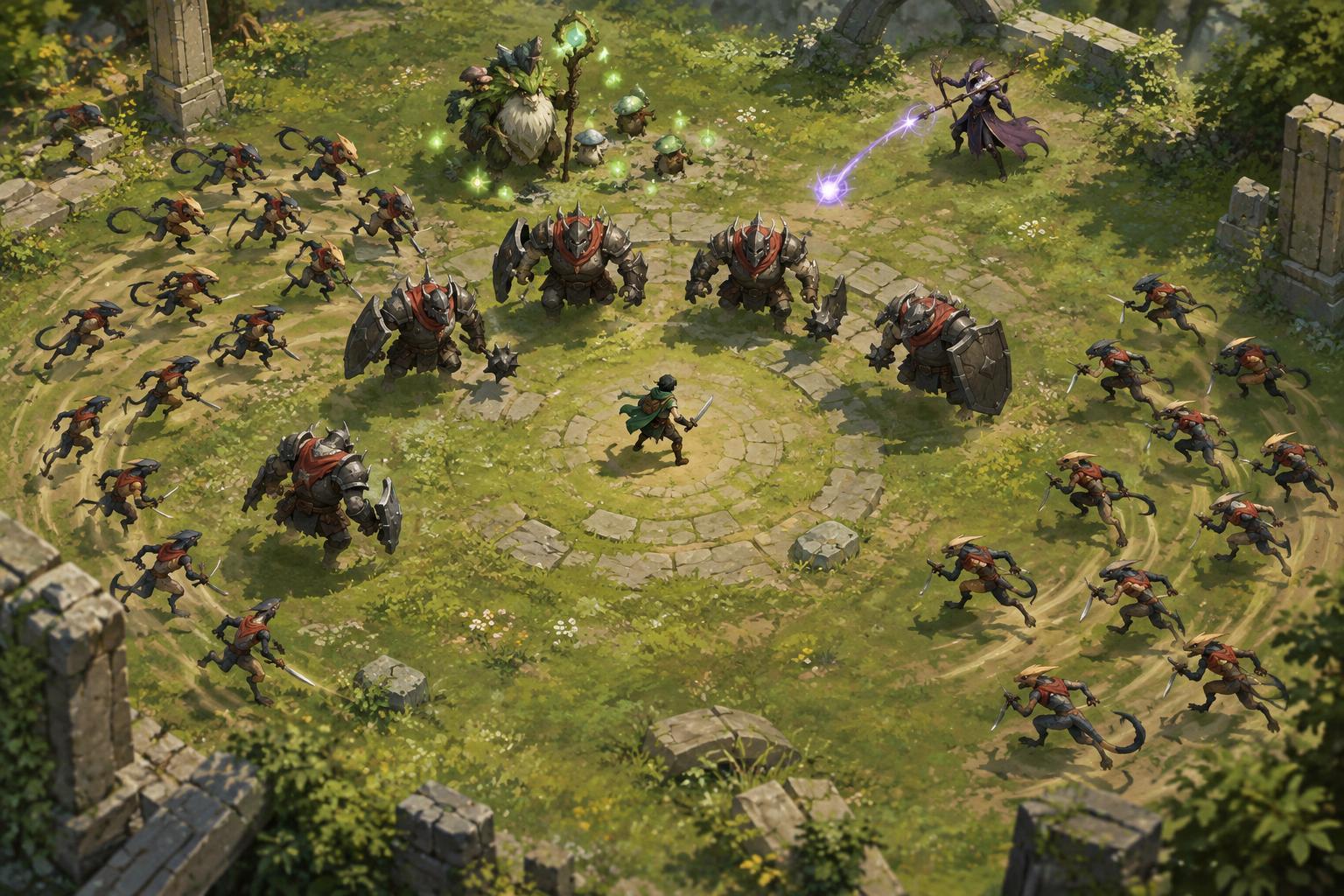
Game DesignWhen dozens of enemies share the screen, variety depends on more than different shapes and health totals. Clear roles, readable signals and deliberate combinations can make each wave an interesting decision rather than a wall of damage.
Read article · 5 min↗
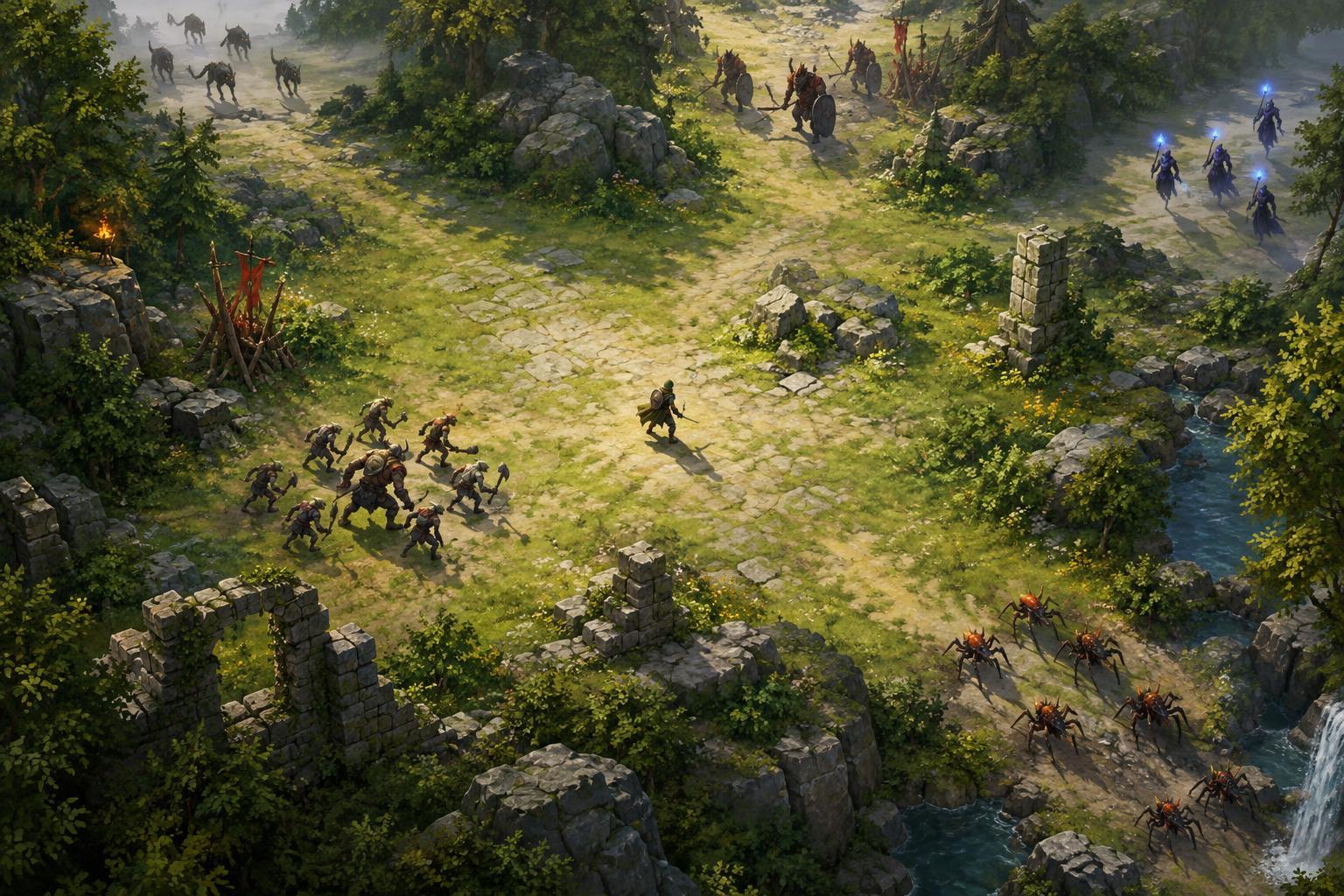
Game DesignEnemy spawns do more than fill a survival game’s screen. Their distance, direction and timing shape movement, difficulty and the value of a build. Here is a practical way to read spawn patterns and understand the design choices behind them.
Read article · 4 min↗
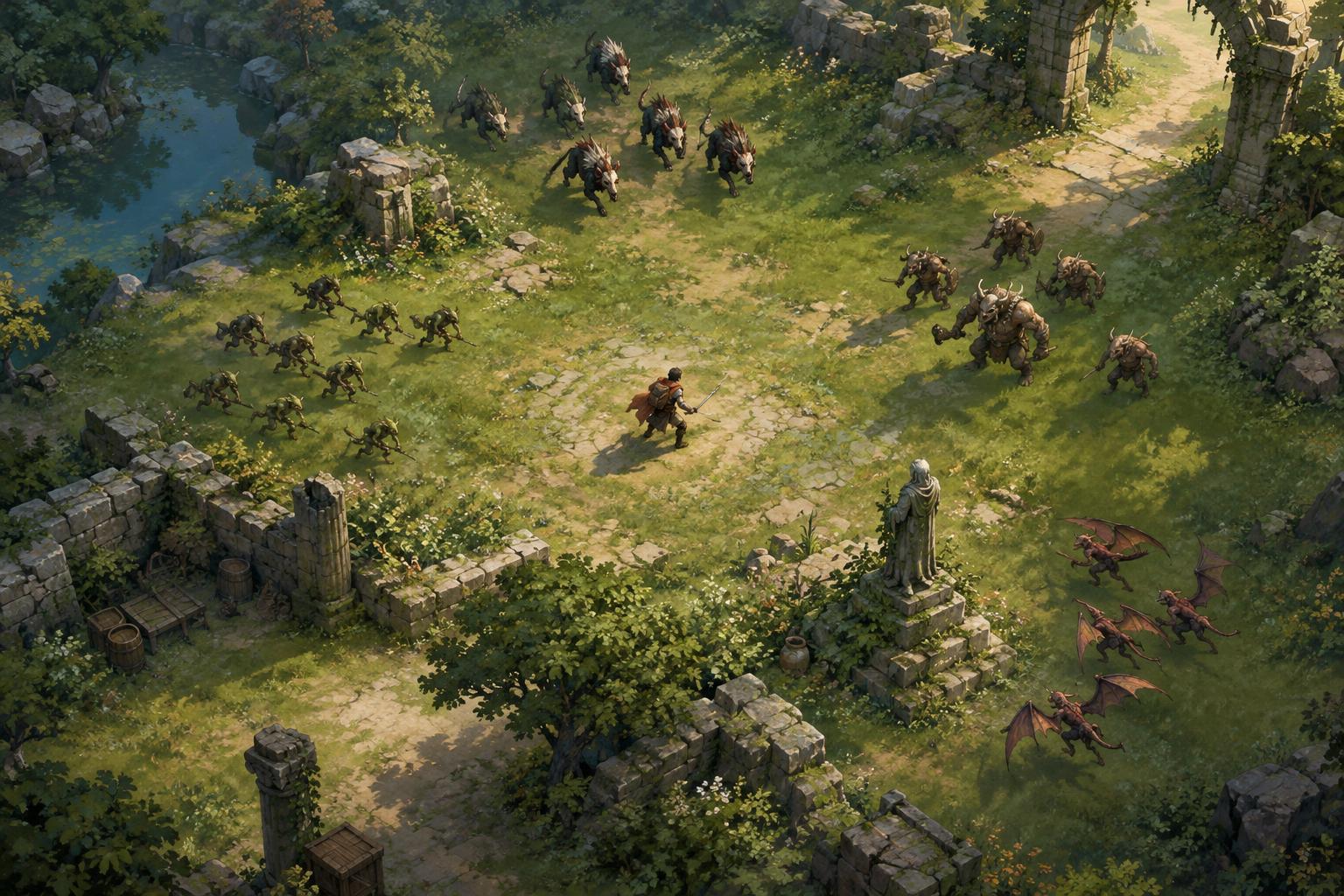
Game DesignEnemy waves do more than increase difficulty. Their timing, shape and recovery periods determine whether a survival game feels tense, readable and fair. Here is a practical look at how designers can build pressure while leaving players room to make decisions.
Read article · 4 min↗
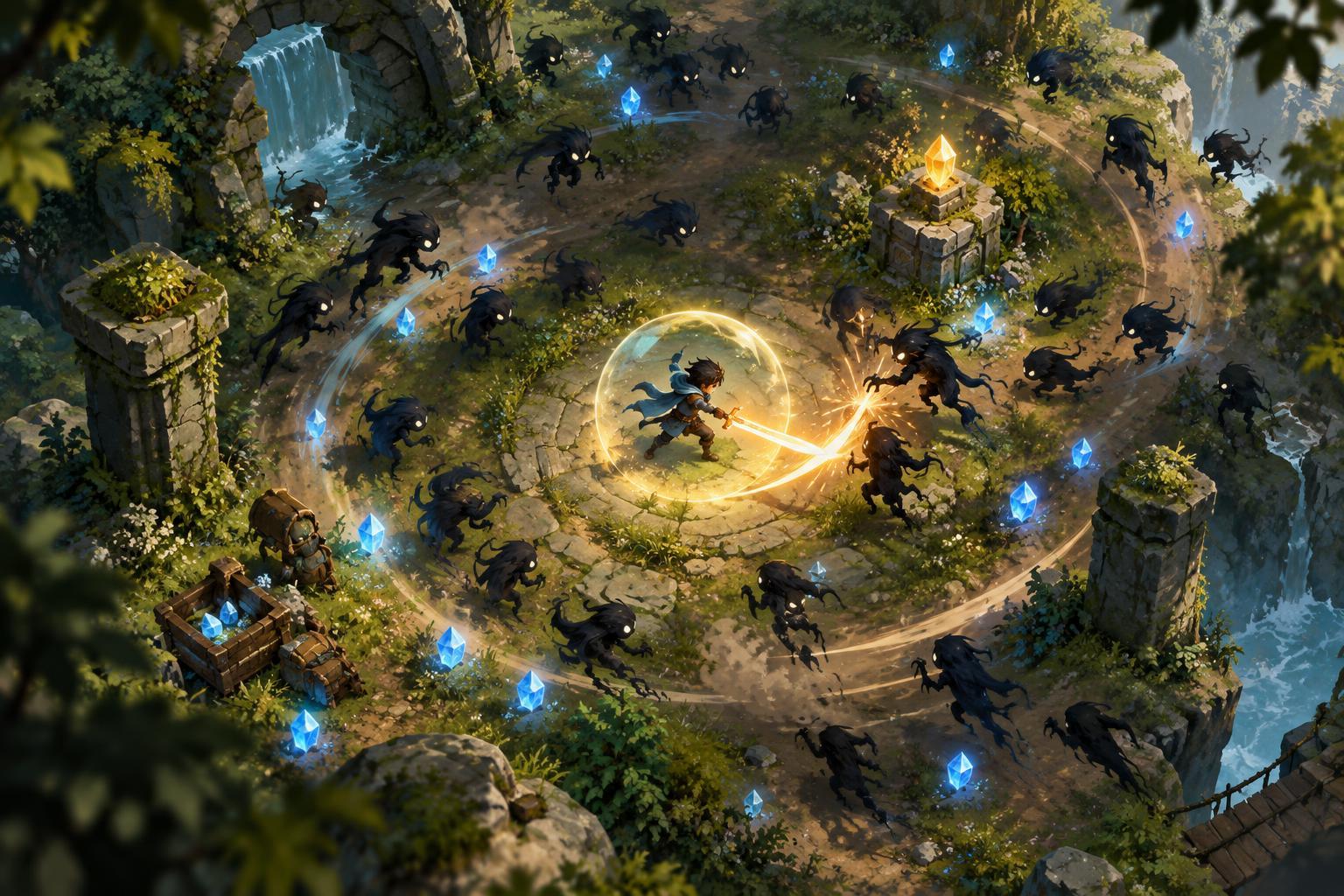
Game DesignArcade survival games turn a few simple actions into a satisfying cycle. Here is how fighting, collecting, upgrading and trying again work together—and what designers can learn from each step.
Read article · 4 min↗