Plan for a job, not a perfect list
It is easy to enter a run with a tidy sequence in mind: take a favorite weapon, find its supporting upgrades, then add the defensive pieces that make it shine. Random upgrade choices rarely cooperate so neatly. A pivot is not an admission that the run has failed. It is a decision to pursue the same goal with the tools actually available.
Before choosing a replacement, name the job your missing upgrade was meant to do. Was it supposed to clear groups, help against durable enemies, keep threats at a distance, or buy time to escape? A substitute does not need the same visual effect or theoretical ceiling. It needs to solve the problem that would otherwise stop your run. This approach applies across many survival and roguelite games, though the value of any option depends on that game’s rules.
Read the run you have
Start with your immediate bottleneck. If ordinary enemies are closing in, improving reliable area coverage may matter more than preparing for a later boss. If groups die comfortably but one tough target takes too long, look for focused damage or an effect that keeps your existing attacks connecting. If damage is adequate but movement is cramped, a defensive or control choice may give you more room to operate.
Then check what your current pieces already reward. An attack that hits often may benefit from effects triggered by repeated hits, if the game offers them. A slow, powerful attack may need coverage between strikes instead. Also consider practical constraints: available upgrade slots, scarce currency, limited rerolls, or an upcoming choice you cannot easily reverse. A promising item is less attractive if taking it prevents you from fixing a more urgent weakness.
Choose a bridge instead of chasing the ideal
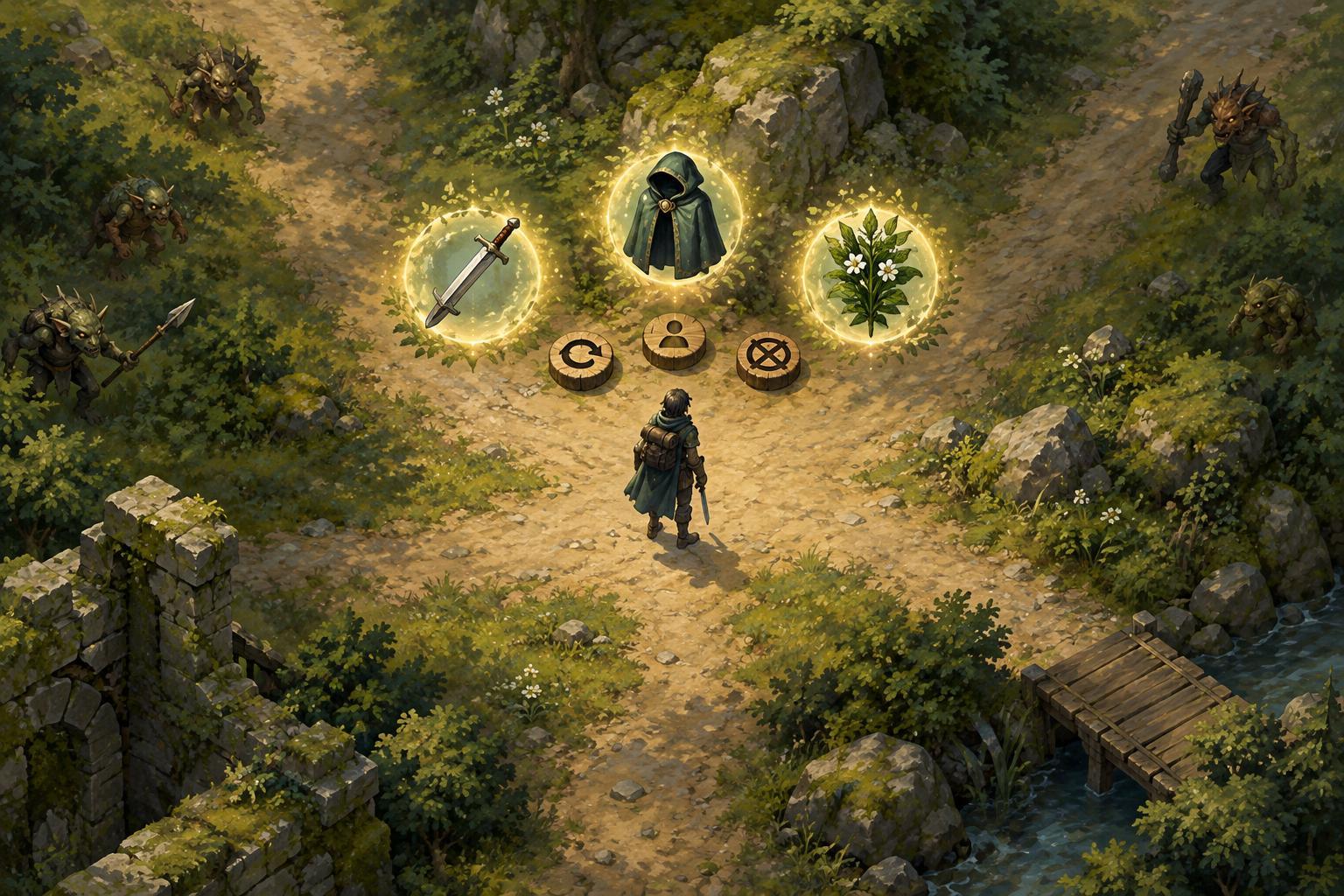
A good pivot often begins with a bridge pick: an upgrade that helps immediately and remains useful under several possible future builds. Dependable damage, modest protection, or broader coverage can be easier to build around than a highly specialized option that works only if another rare piece appears. When choices are thin, ask which one improves the next few minutes without demanding too many additional commitments.
Be cautious about repeatedly spending resources to search for one planned upgrade. A reroll or equivalent tool can be worthwhile when the missing piece would transform an already functional build. It is riskier when the build has several gaps or little time to benefit from the result. Set a stopping point before you search: for example, decide how many chances you are willing to use, then choose the best available alternative. The exact threshold will vary by game and by run.
Rebalance offense, defense, and consistency
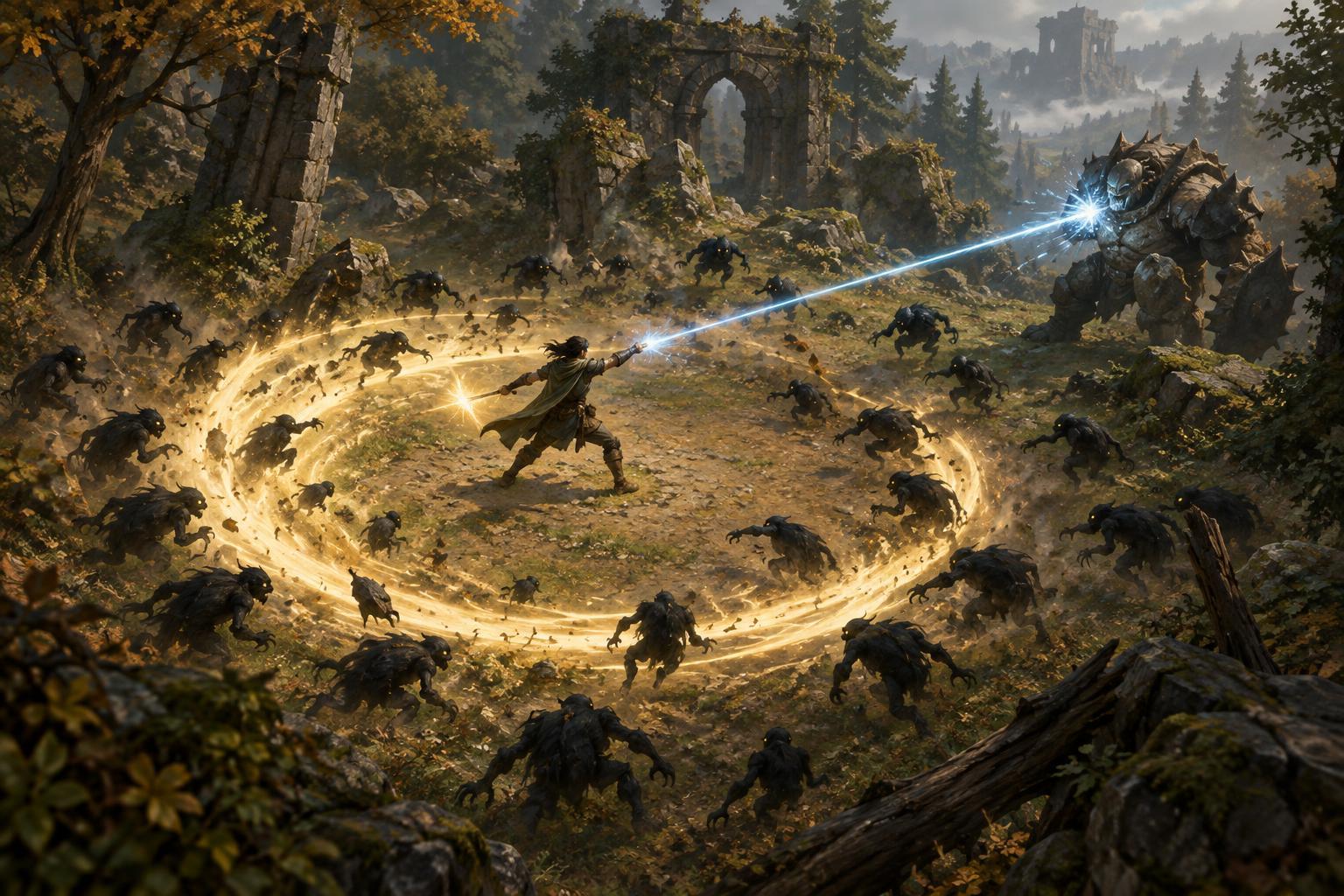
Pivots often fail because they add more damage without fixing how that damage reaches enemies. Check whether your attacks cover the directions you need, fire often enough to interrupt approaching groups, and work while you are moving to safety. An option with lower peak damage can outperform an impressive but awkward one if it keeps producing value during normal play.
Survival upgrades also deserve a fresh look when a planned offensive combination falls apart. Extra durability, movement, healing, or crowd control may extend a run long enough for an imperfect build to mature, where those mechanics exist. Avoid overcorrecting, though: staying alive without a way to clear threats can leave you with less room as pressure rises. Aim for a stable loop in which you can move, deal damage, and recover from small mistakes.
Keep the next decision open
After a pivot, replace the original shopping list with a short priority order. First, address the weakness most likely to end the run. Second, strengthen the pieces that are already working. Third, consider optional synergies if they appear. This prevents each new choice from becoming another attempt to rescue the old plan.
At the end of a run, review the decision rather than only the outcome. Did the pivot solve the problem you identified? Did you commit too many slots to a combination that never came together? Would an earlier bridge pick have helped? Even a lost run can teach you which alternatives are flexible. This is independent editorial guidance, not an official guide to any particular game; treat its examples as questions to test against the mechanics you are playing.