Set up the session before chasing a better run
A roguelite often invites one more attempt: a short run ends, a new upgrade becomes available, and the next attempt is only a button press away. That quick restart is useful for learning, but it can also make it easy to carry an awkward setup from run to run. Before playing, take a moment to check your seat, screen position, controller or keyboard placement, and the settings you expect to use.
Decide what would make this session satisfying without requiring a win. You might test one weapon, practice moving through crowded areas, or learn when to spend a limited resource. A small goal gives each run a purpose and makes it easier to stop after you have learned something. This is independent editorial guidance for players, not an official guide to any particular game.
Make common inputs easy to repeat
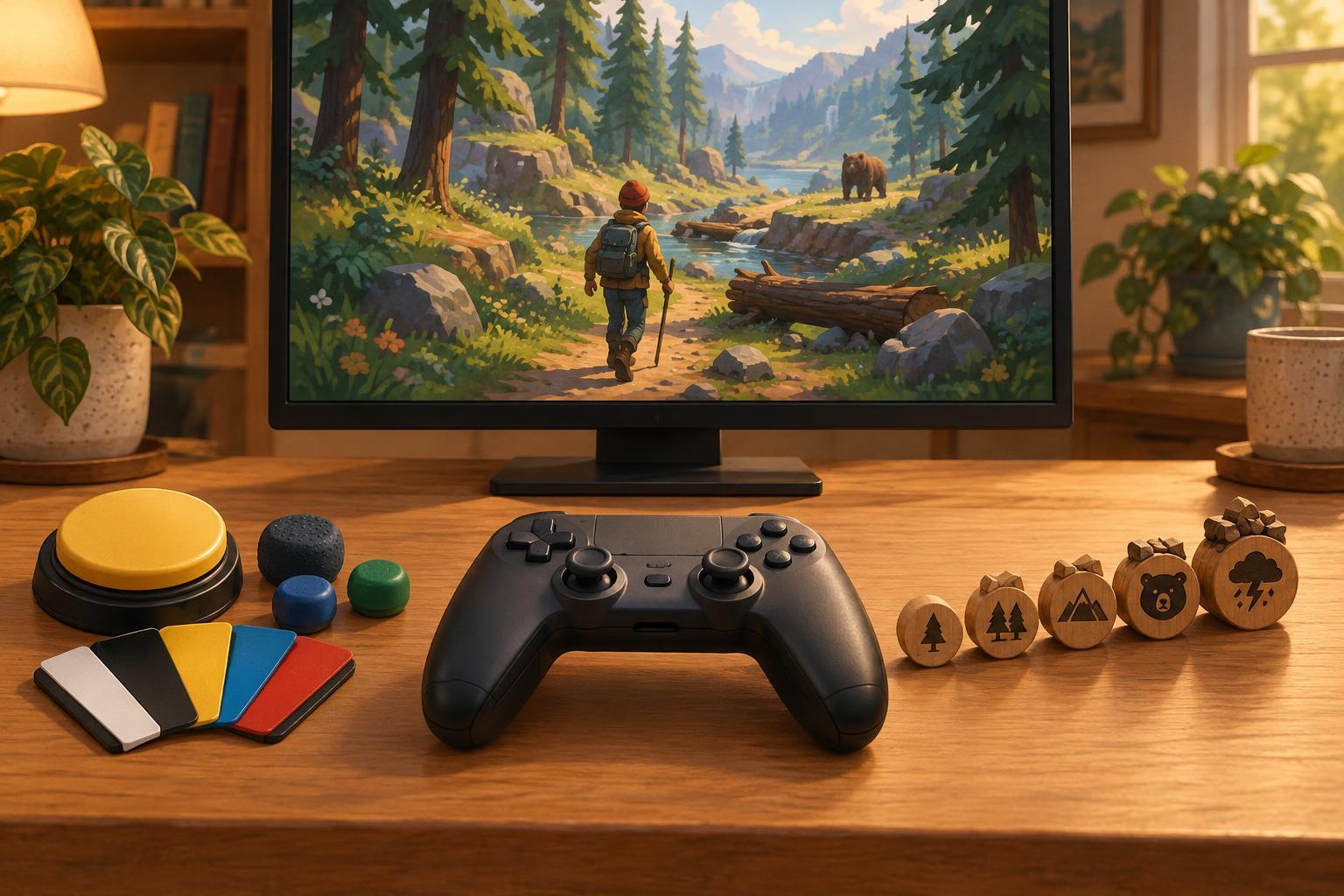
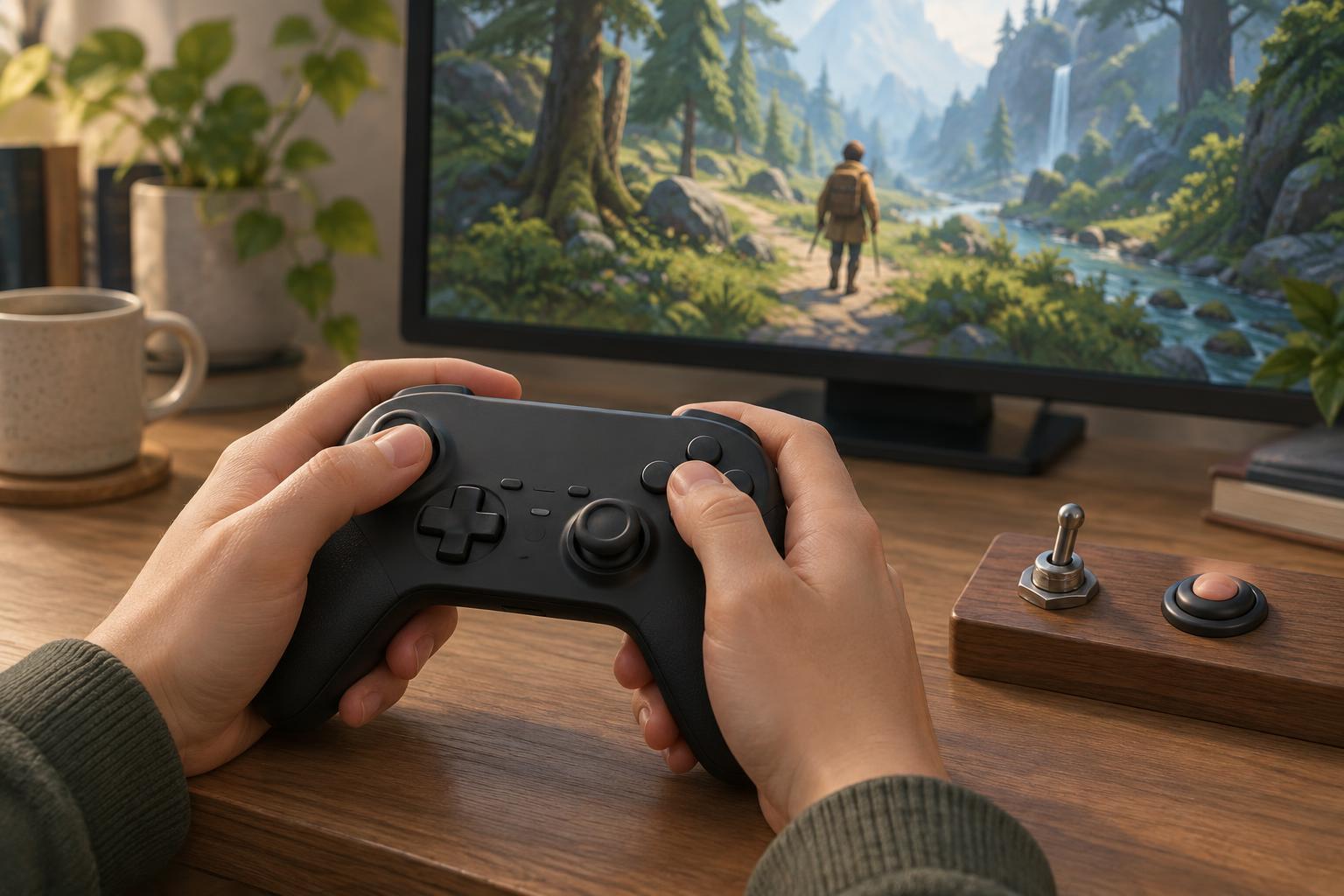
In a game built around repeated attempts, an input that feels merely inconvenient at first may become irritating after dozens of uses. Check whether the game lets you remap movement, aiming, dodge, attack, pause, or menu controls. Put frequent actions where you can reach them without shifting your grip or searching for a key. If you use a controller, compare layouts rather than assuming the default is the best fit.
Test changes during a low-pressure run. A new binding can feel sensible in a menu but confusing when enemies fill the screen. Change only a few inputs at a time, then give yourself enough play time to judge them fairly. Where available, options such as button holds instead of repeated presses, toggle actions, or adjustable stick sensitivity may also help. The aim is not to find a universally perfect layout; it is to make routine actions predictable for you.
Tune the information you need to see and hear
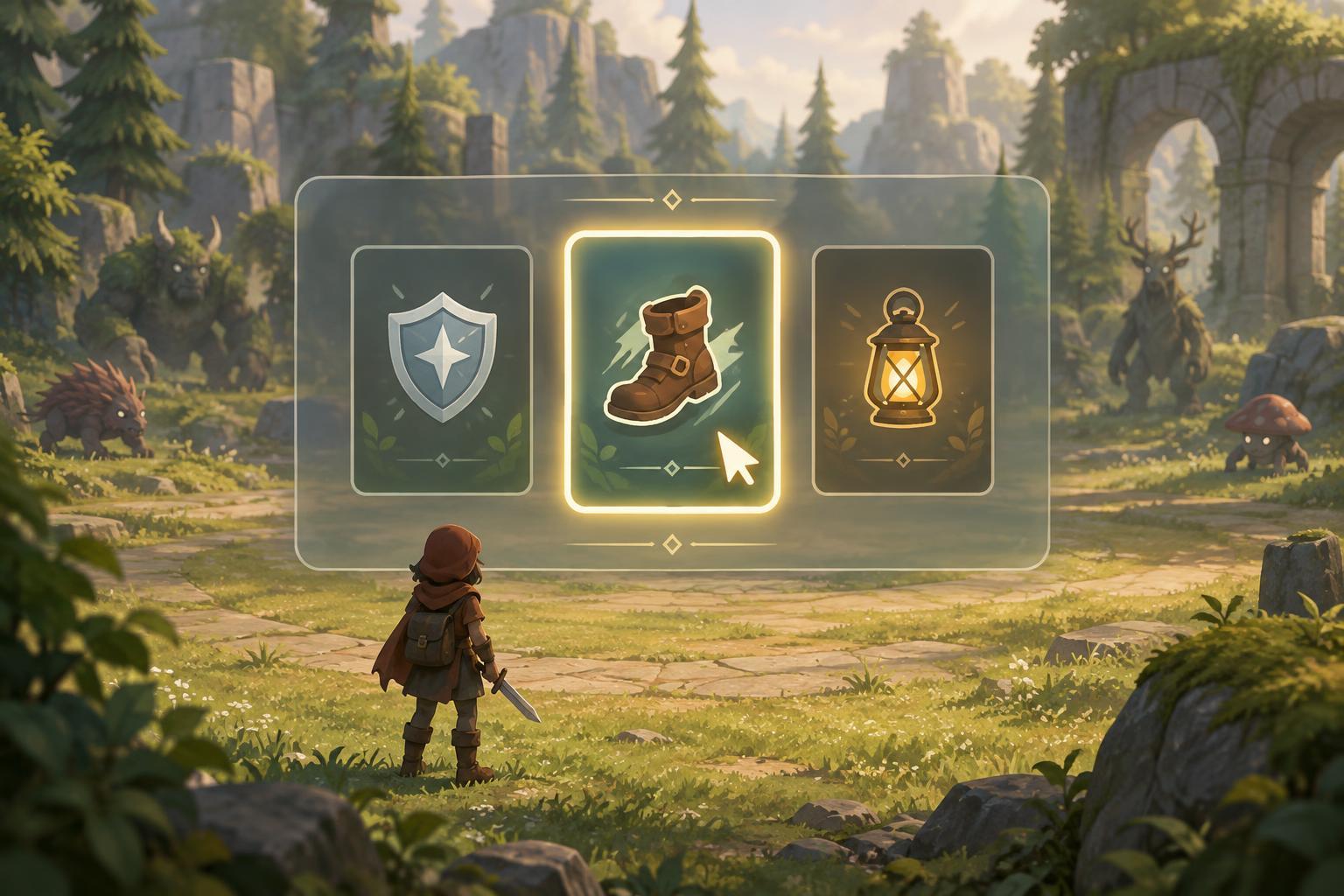
Busy survival and arcade-style games may show enemies, projectiles, pickups, damage numbers, and upgrade prompts at once. Look through the display settings for text size, contrast, interface scale, screen shake, flashing effects, and visual clutter controls. Not every game offers these options, but a small change can make important information easier to spot. Try to keep health, hazards, and available choices legible without feeling that you must track every effect on screen.
Audio can carry useful cues too, such as an incoming threat or a completed cooldown. If music masks those cues, try adjusting separate volume sliders when the game provides them. Captions or visual alerts can offer another way to follow events. Test settings in ordinary play rather than relying only on the settings preview: what matters is whether you can understand the game while making decisions.
Give runs a beginning, a pause point, and an end
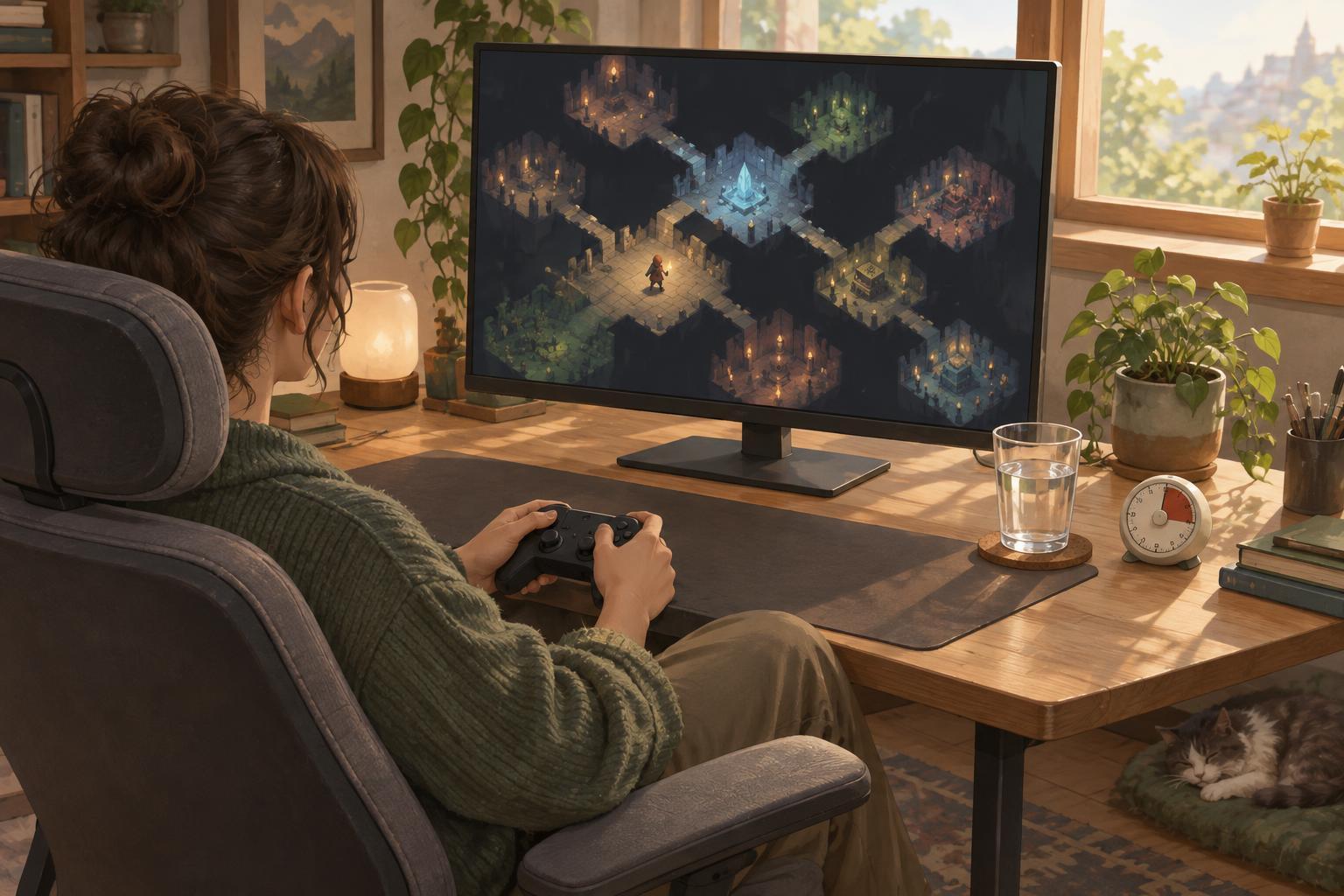
A comfortable routine includes boundaries. Before starting, consider how many runs you want to try or when you will next step away from the screen. A pause between attempts is a natural time to put down the controls, change position, get water, or decide whether you still want to play. If a game cannot be paused during a run, use the gap after it ends instead of immediately restarting.
You can also vary the demands of a session. After several intense attempts, choose a familiar build or a lower-pressure objective if the game allows it. Save experiments that require close attention for a time when you want that challenge. If discomfort or frustration is building, stopping is a valid outcome, even when an unlock feels close. A run-based structure means there will be another starting point when you return.
Review the setup, not just the score
After a few attempts, ask what made play easier or harder to follow. Did you miss an on-screen warning because effects covered it? Was a button difficult to reach under pressure? Did a run feel tiring because you were trying to watch too many things at once? These observations are more useful for adjusting a routine than a win-loss record alone.
Make one change for the next session and see whether it helps. You might move an action to another button, reduce an effect, turn on captions, or pick a simpler goal. If it does not help, change it back. Comfort is not a fixed setting or a reward for playing well; it is a practical part of learning the game. A routine that supports clear choices can make repeated runs enjoyable even when the results vary.