Run length is a design choice, not just a timer
In a survival or arcade-style game, run length is the span between a fresh start and a clear stopping point: victory, defeat, extraction or a final score. A shorter run can make experimentation feel easy because the next attempt is always close. A longer run gives players more time to develop a build and see its consequences. Neither is automatically better; each asks the rest of the game to work at a different speed.
It helps to separate intended duration from actual duration. A game might aim for a compact session, yet menus, load times and repeated early failures can make progress feel slow. Conversely, a run with a generous time limit may feel brisk if players make meaningful decisions throughout it. When considering duration, look at the whole experience, including setup, quiet periods, retries and the time needed to reach an interesting choice.
Short runs put weight on early decisions
A short run needs to establish its central activity quickly. Players should encounter a useful choice, a visible threat or an opportunity to improve before much time has passed. If the first part consists mostly of waiting for resources, repeated attempts may feel like replaying an introduction. Designers can shorten that delay by offering an opening choice, bringing enemy patterns into view sooner or making early upgrades distinct rather than merely incremental.
Fast conclusions can also change how failure feels. A lost attempt may invite an immediate retry when the player understands what happened and has a new idea to test. But speed alone does not create replayability. If the same opening and the same strongest option appear every time, frequent restarts can expose repetition. Short runs benefit from variation that changes decisions without requiring players to relearn the basic controls on every attempt.
Long runs need development and relief
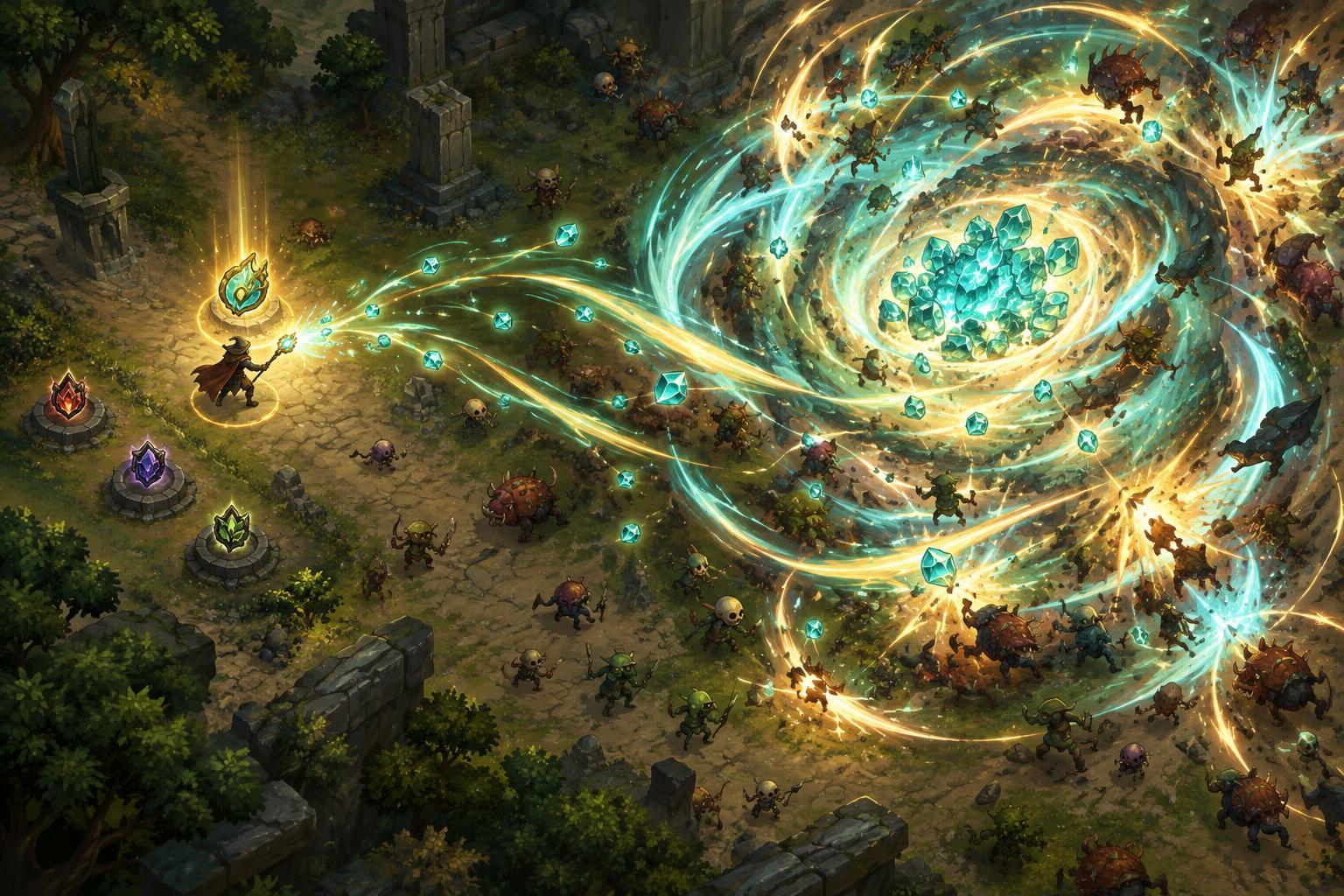
Longer runs give builds room to move through stages. An early tool might solve a survival problem, a mid-run choice might define a specialty, and later upgrades might reveal a powerful combination or a weakness that needs covering. To make that journey satisfying, the game needs more than rising numbers. Changes in enemy behavior, positioning demands or available rewards can give players reasons to reconsider a plan they made earlier.
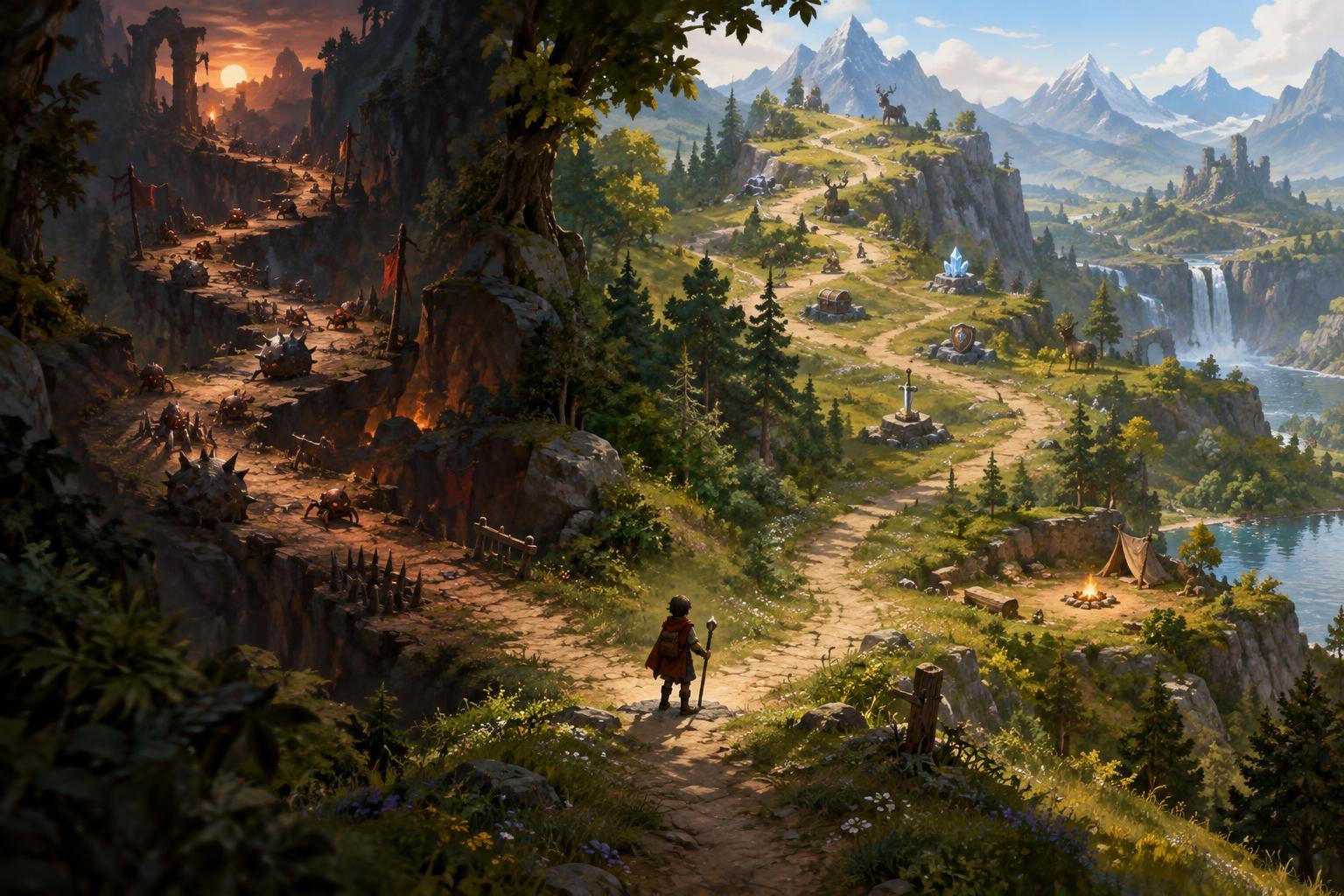
The risk is a long stretch in which the result seems settled but the ending remains far away. If a strong build removes all tension, extending the clock may turn success into cleanup. If difficulty rises without enough chances to adapt, late failure may feel like an expensive surprise. Checkpoints in pacing—not necessarily save points—can help: a new encounter type, a meaningful upgrade or a brief lull can mark progress and reset attention. Where feasible, pause and resume options also make extended sessions easier to fit into everyday life.
Match the clock to the decisions
A useful way to choose a target duration is to list the decisions a typical run should contain. How soon should players select a direction? How many chances should they have to revise it? When should they see whether it works? If a build depends on several upgrades arriving in sequence, a very short run may end before that idea becomes legible. If the appeal is quick movement and score chasing, a long upgrade chain may interrupt the activity players came for.
Difficulty matters here too. A fixed endpoint does not mean every player will reach it, and repeated early defeats can hide the later design. Early attempts can teach one manageable problem at a time; later stages can ask players to combine what they have learned. Clear feedback at defeat—such as which hazard caught the player or which resource ran out—helps an attempt feel informative, regardless of its length.
Test replayability beyond the first completion
When evaluating a run length, watch more than whether a player finishes. Notice when they first make an interesting choice, when their build becomes recognizable, and when they begin wishing the run would end. Compare those moments across successful attempts and failed ones. A pacing issue may call for a new decision or encounter rather than a shorter timer.
Different players also need different ways to manage attention and physical effort. Readable warnings, adjustable control demands, a dependable pause and clear stopping points can make a chosen duration more welcoming without changing its core loop. Multiple modes can serve different session preferences, provided each has pacing designed for its length rather than simply a faster or slower clock. This is independent editorial discussion of game design, not an official game guide or a game download.