The difference is what carries over
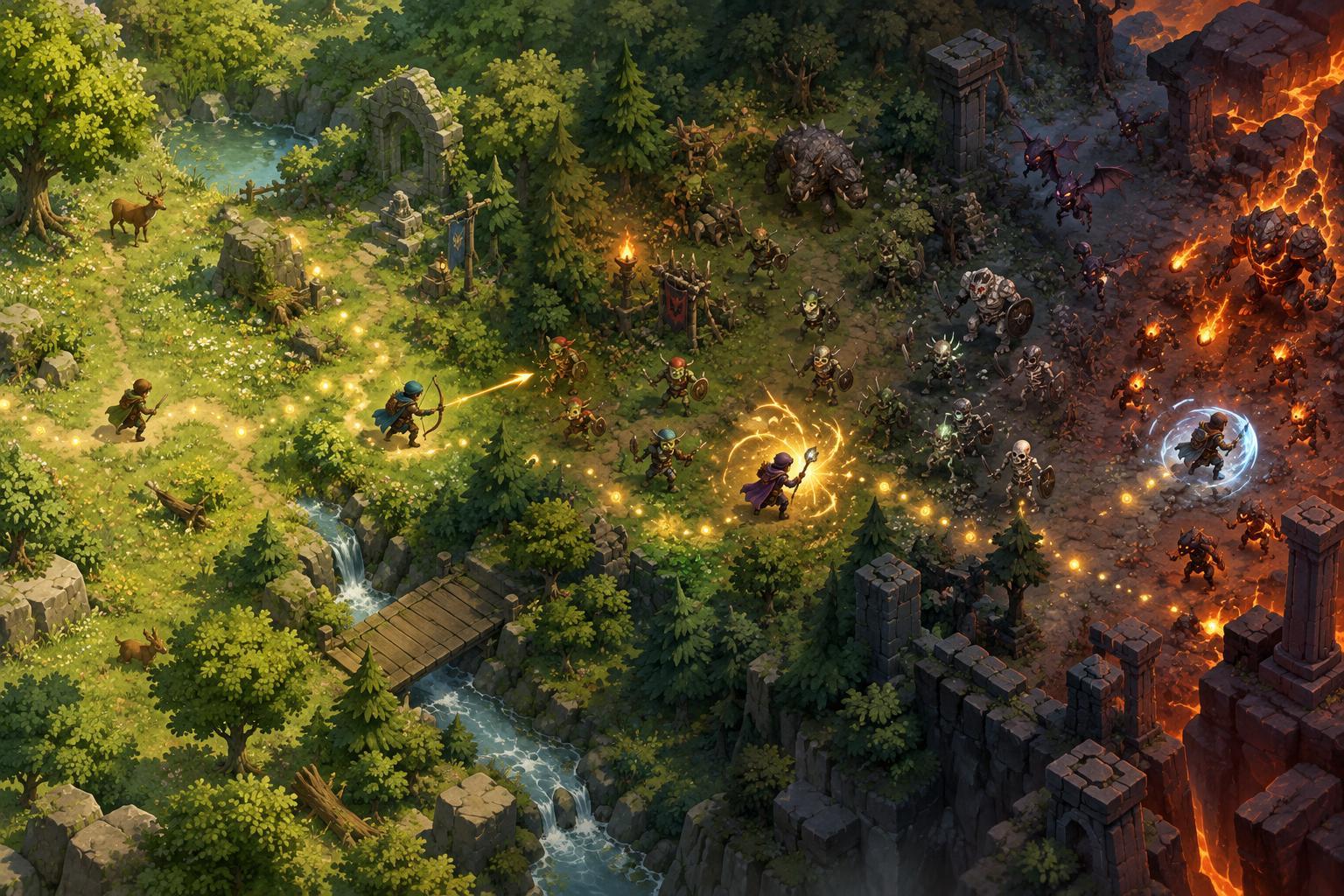
In a run-based game, progression happens on two timelines. Run progression is the power, knowledge or opportunity gained during one attempt: a new weapon, an upgrade choice, a useful item or access to a tougher area. When that attempt ends, those particular gains usually disappear. Meta-progression is what persists between attempts, such as unlocked characters, additional starting options or permanent upgrades.
The distinction matters because each timeline answers a different player question. Run progression asks, “What can I do with the choices in front of me?” Meta-progression asks, “What did this attempt add to my future options?” A game can lean heavily on either one. Understanding which is doing the work helps explain why repeated play feels exciting in one design and obligatory in another.
Run progression makes each attempt its own story
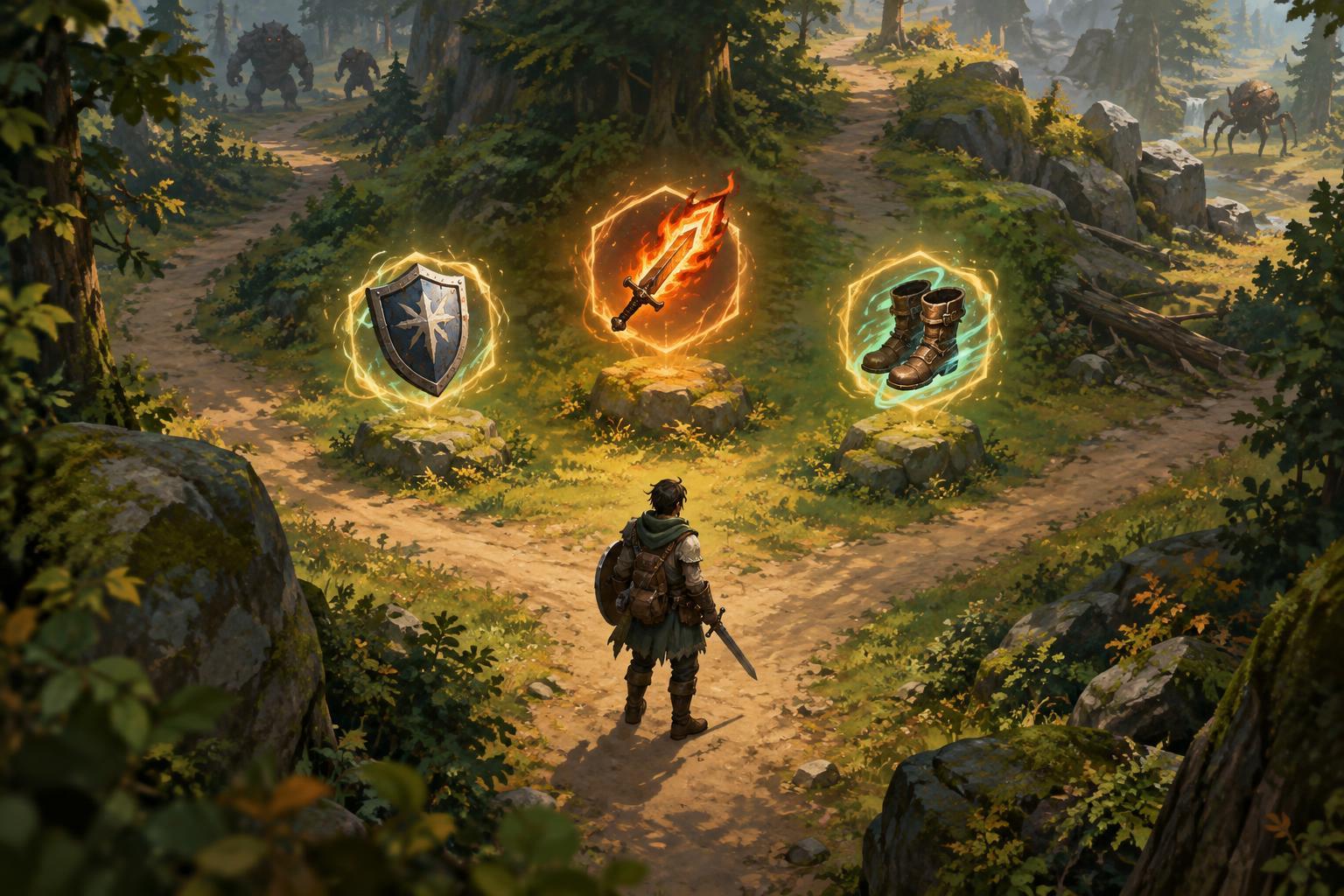
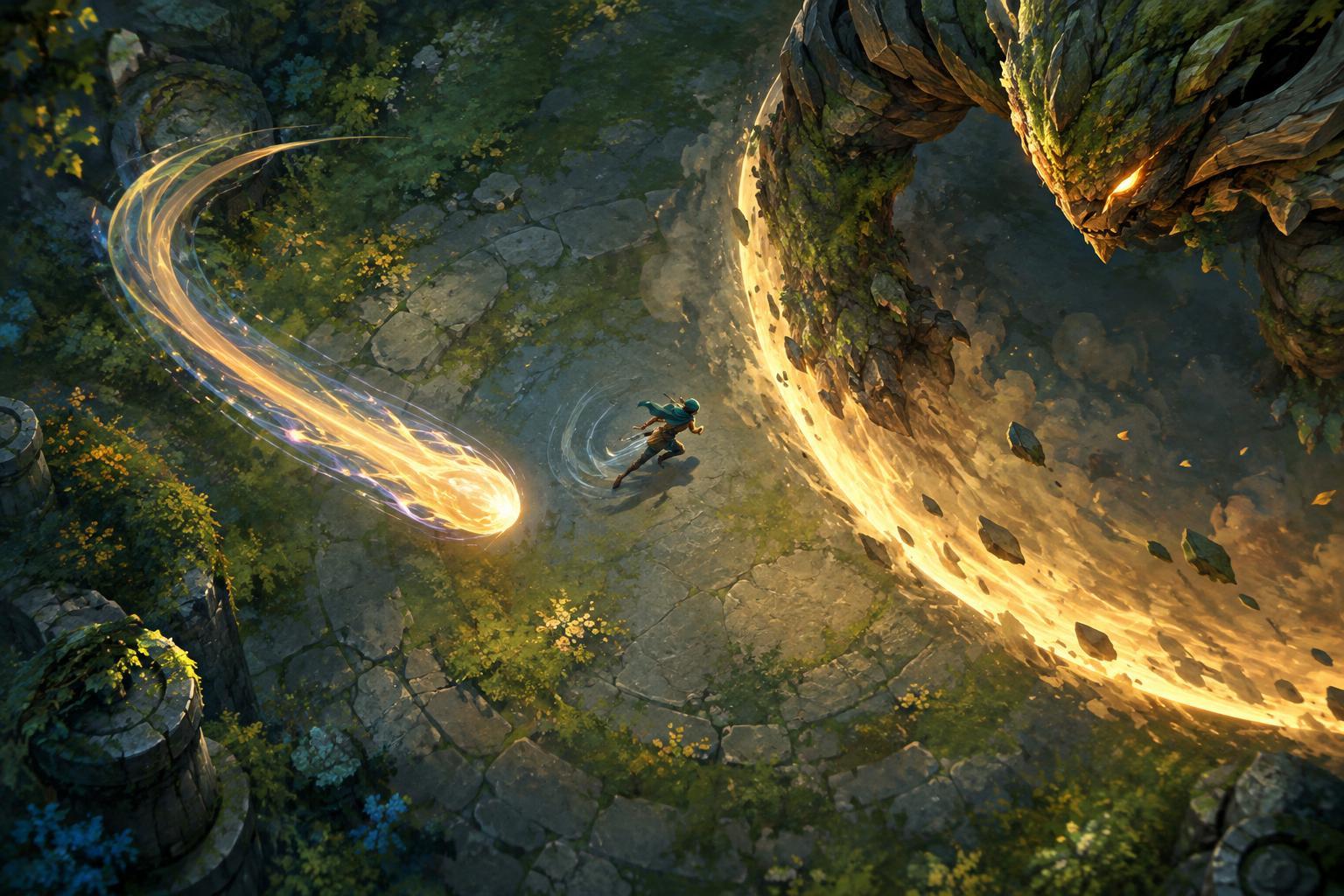
A strong run gives players meaningful changes to react to. An early area attack might encourage them to move toward groups of enemies; a later defensive option might let them take a risk they would otherwise avoid. Even if the final challenge is familiar, the route toward it can feel different because choices arrive in a different order or interact in new ways.
The most interesting decisions are not always straightforward upgrades. A powerful short-range tool may solve an immediate problem while leaving a weakness against distant threats. Taking it creates a plan to test rather than simply raising a number. For designers, this means that clear trade-offs can be as valuable as a large pool of rewards.
Run progression also gives failure a useful boundary. Losing ends the current build, but it creates room for a different experiment next time. This works best when players can connect their decisions to what happened. If outcomes feel too opaque, restarting may seem less like a fresh opportunity and more like repeating an unexplained mistake.
Meta-progression gives return visits a purpose
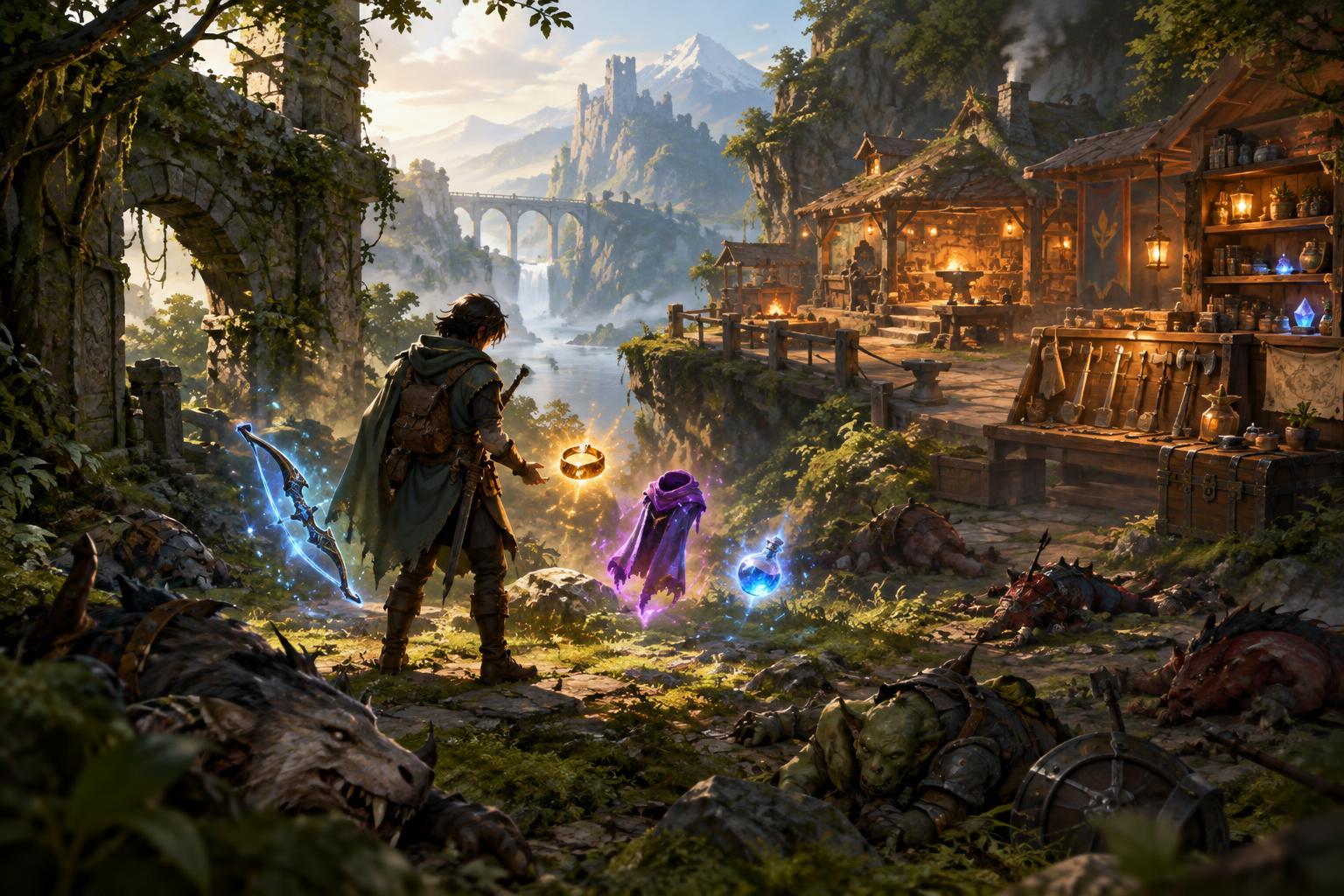
Lasting rewards can soften the disappointment of a lost run. Unlocking a character or a new item means an attempt may have value even if it falls short of the final objective. Meta-progression can also introduce complexity gradually: a small starting selection is easier to learn than a screen filled with every possible option.
Permanent power increases need more care. If later attempts become easier mainly because players have bought enough upgrades, earlier losses may feel predetermined rather than instructive. That is not automatically a flaw; some games deliberately offer a long climb in power. But it changes the appeal from mastering a stable challenge to building toward one you can eventually overcome.
Unlocks that expand choice rather than merely increase strength offer another approach. A new character with a distinct limitation, for example, can change how a player thinks without making an existing favorite obsolete. Such rewards invite repeated play through variety as well as accumulation.
Balance the two without hiding the fun
The two timelines work well together when each remains rewarding on its own. A first run should offer understandable choices and a chance to learn, even if many options are still locked. Later runs should not rely so heavily on permanent upgrades that the decisions made during play stop mattering. The useful design question is not “How much can players unlock?” but “What will they be able to notice, try and change on their next attempt?”
Clear feedback supports that balance. Players benefit from knowing whether a reward is temporary, whether an unlock adds an option or improves a stat, and what they did to earn it. This clarity is especially helpful when sessions are short or a player returns after a break. Readable menus and distinct descriptions can make progression easier to follow without requiring players to memorize every system.
This is independent, unofficial editorial coverage of game design, not an official guide for any particular game. Rules vary, so players can use the distinction as a way to assess their own experience: Are they enjoying the choices inside each run, the long-term goals between runs, or both?
A useful lens for players and designers
When a game starts to feel repetitive, look at which timeline has stalled. If runs offer the same decisions in the same order, more permanent unlocks may not solve the underlying problem. If individual runs are lively but there is little reason to revisit them, a modest long-term goal might help. Neither system guarantees replayability by itself.
The lasting appeal of repeated play comes from a satisfying exchange: each attempt gives players something to do now and, ideally, something to think about next time. Run progression supplies the immediate experiment. Meta-progression can provide a wider set of future experiments. The strongest balance lets progress feel earned without making the next run feel decided before it begins.