Why a fair run can still be unpredictable
A roguelite run rarely gives players exactly the tools or encounters they expect. Random rewards can invite unfamiliar builds, while changing enemy patterns can keep familiar stages interesting. The tension is that uncertainty creates replay value only when players believe their decisions still matter. If success seems determined before they can respond, a surprising run may feel less like a challenge and more like a verdict.
Fairness does not mean equal difficulty in every run or a guarantee that every choice will succeed. It means that a player has a reasonable chance to recognize a problem, weigh available options, and act on what they learn. This is independent, unofficial editorial analysis of game design, not a statement from any game developer.
Make the rules legible, even when outcomes vary
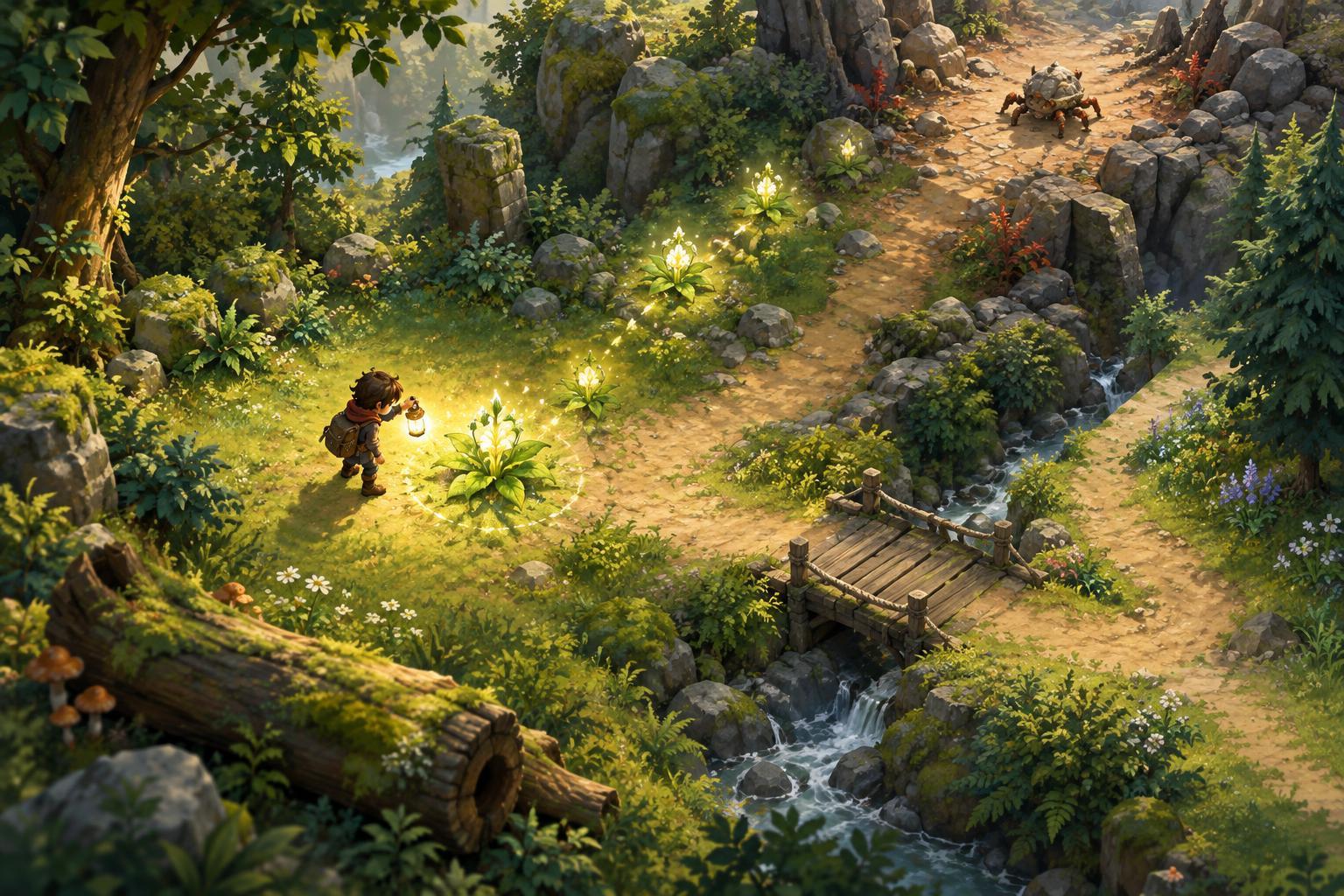
Players do not need to know the exact order of future drops to make useful decisions. They do need to understand what a reward does, what a threat signals, and how their current build is performing. Consistent enemy cues, clear item descriptions, and visible trade-offs let players plan under uncertainty. A loss can then teach something: perhaps a build needed earlier area damage, or perhaps a risky route offered too little room to escape.
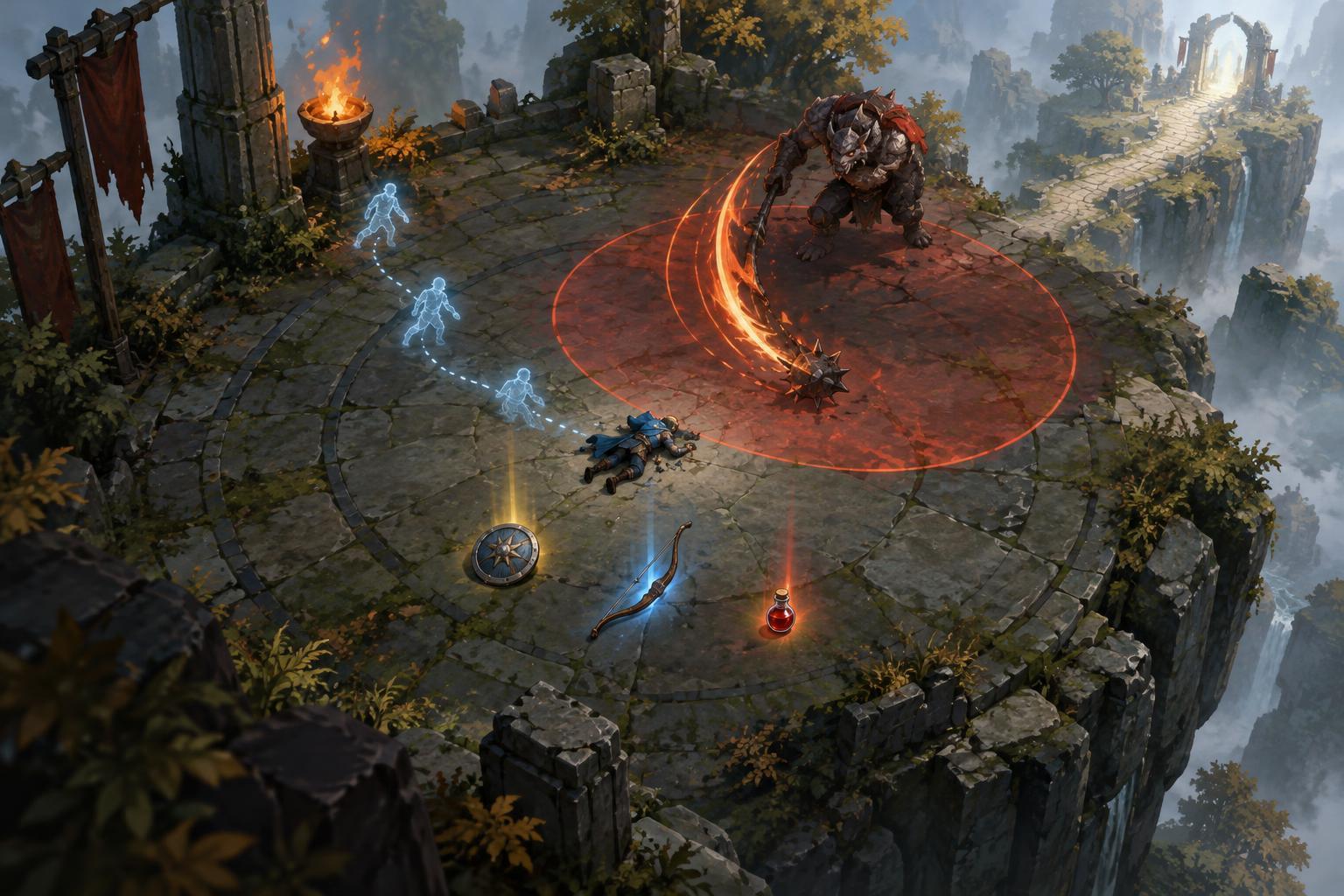
Randomness feels harsher when important rules are hidden. Imagine a run in which an enemy suddenly ignores a familiar defense with no readable warning. Even if the interaction follows an internal rule, the player has little basis for adapting. By contrast, a distinct animation or a brief first encounter can introduce the danger before it becomes overwhelming. The outcome remains uncertain, but the cause is easier to understand.
Offer meaningful choices instead of perfect choices
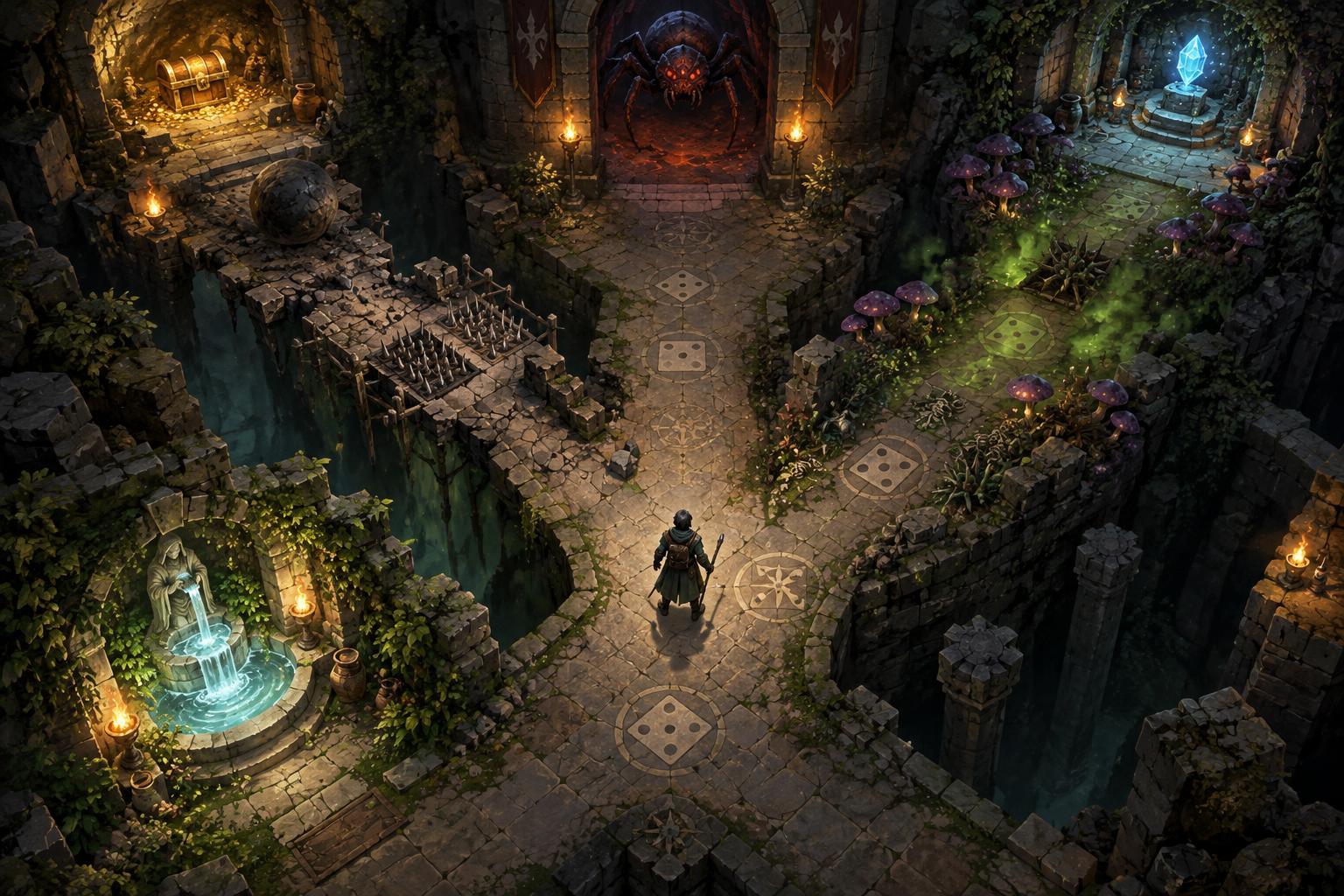
Reward selection is one way to balance chance with agency. A single random upgrade asks the player to accept whatever appears. A small selection of upgrades asks them to compare possibilities against their build and the challenges ahead. Neither approach is automatically better: forced surprises can encourage experimentation, while frequent choices can make runs easier to steer. The important question is whether the game expects precise planning while withholding the means to plan.
Choices also need genuine costs. If one option is clearly stronger in nearly every situation, the decision adds little. More interesting alternatives might exchange immediate safety for long-term damage, or strengthen a reliable weapon while passing up a new source of crowd control. Even an imperfect set of offers can be engaging when each option supports a recognizable response to the run's current problems.
Give struggling runs a way to recover
A difficult start does not have to be a doomed start. Catch-up opportunities, flexible upgrades, and encounters that reward careful play can give players reasons to continue. A modest defensive pick, for example, might buy time for a damage-focused build to come together. Such tools should not erase early mistakes; they should keep the remaining decisions relevant.
Recovery depends on pacing as much as on rewards. If several major threats arrive before a player can assess their build, weak luck may compound too quickly to answer. Spacing challenges and rewards gives players time to identify a gap and look for a solution. Designers can still allow unusually hard runs, but it helps when players can point to moments where a different choice or tactic might have changed the result.
Use surprises to create stories, not confusion
The most memorable roguelite runs often involve an unlikely combination that works, or an awkward start that demands a new approach. Designers can support those moments by testing not just whether individual rewards are balanced, but whether combinations leave room for interesting play. A varied reward pool is less useful if too many plausible combinations fail to address basic threats, or if one dependable route makes alternatives irrelevant.
Fair randomness is therefore less about removing bad luck than about giving it boundaries. Clear rules help players interpret events; meaningful choices let them respond; recovery options keep setbacks from ending the story too soon. When those pieces work together, a run can surprise players without asking them to surrender their sense of control.