A score is a set of priorities
A high score looks like a single measure of success, but it is usually the result of several decisions. A game might award points for defeating enemies, collecting items, surviving longer or clearing a stage quickly. The relative value of each action tells players what the designers want them to notice. If a difficult enemy is worth little more than an easy one, avoiding it may be the sensible scoring choice. If it offers a large bonus, confronting it becomes part of the challenge.
This is why two runs that reach the same stage can finish with very different scores. One player may take a safe route and preserve a life; another may pursue optional targets and accept more danger. Neither approach is automatically better. The score explains which run performed better according to that game’s rules, not which player had more fun or showed more skill in every possible sense.
Combos turn isolated actions into a rhythm
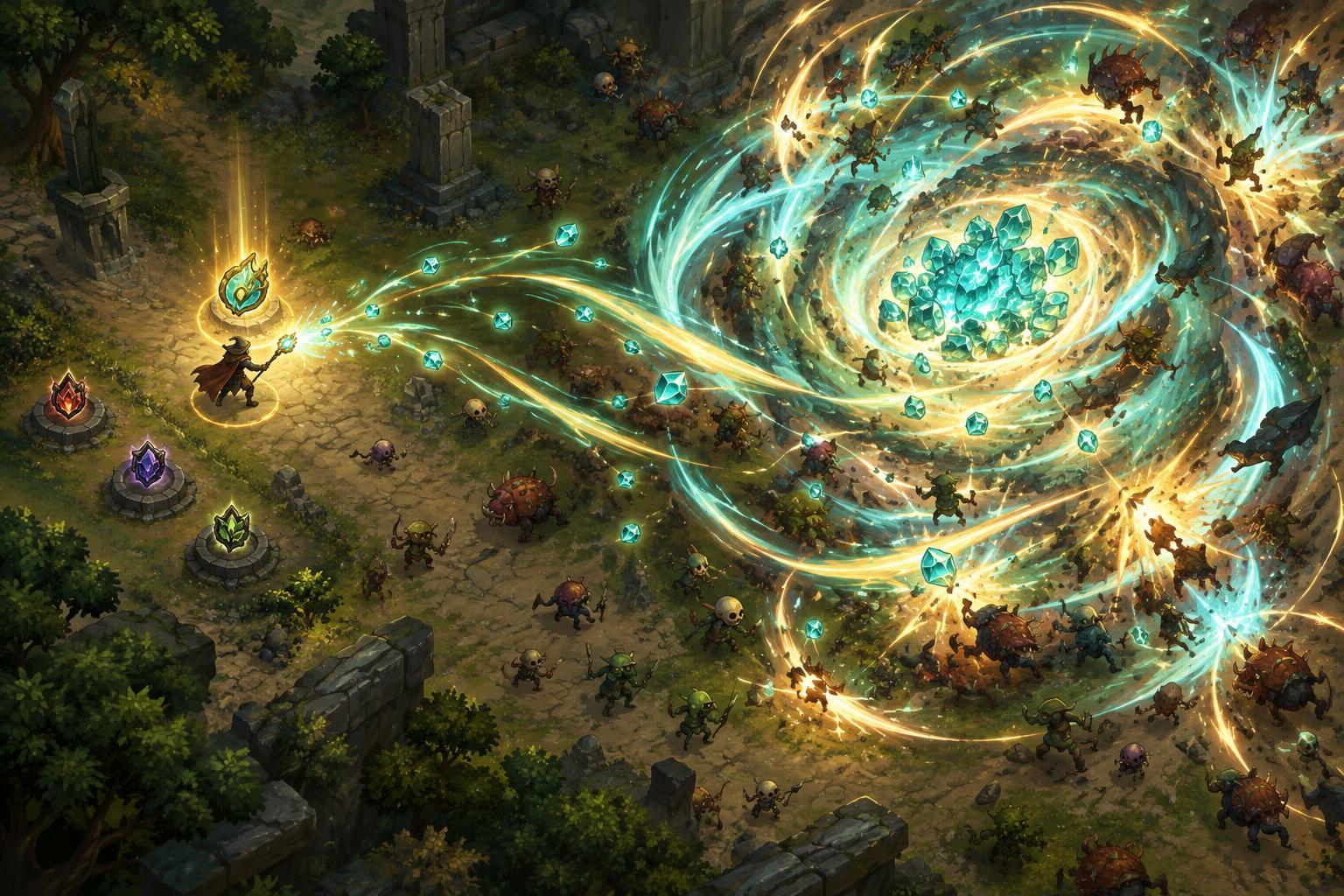
A combo rewards a sequence rather than a single event. In one game, consecutive hits might increase a multiplier. In another, collecting items before a timer expires might extend a chain. The important feature is continuity: each successful action makes the next one more valuable, while a pause or mistake may end the sequence. That structure gives players a reason to plan beyond the immediate obstacle.
Combos can change how a level feels. A player who only needs to survive may wait for a safe opening. A player maintaining a chain may move toward the next target before the area is fully clear. Good combo systems make that choice understandable through readable timers, consistent rules or clear feedback when the chain grows or breaks. If players cannot tell why they lost a multiplier, the system can feel arbitrary instead of challenging.
Multipliers create meaningful risk
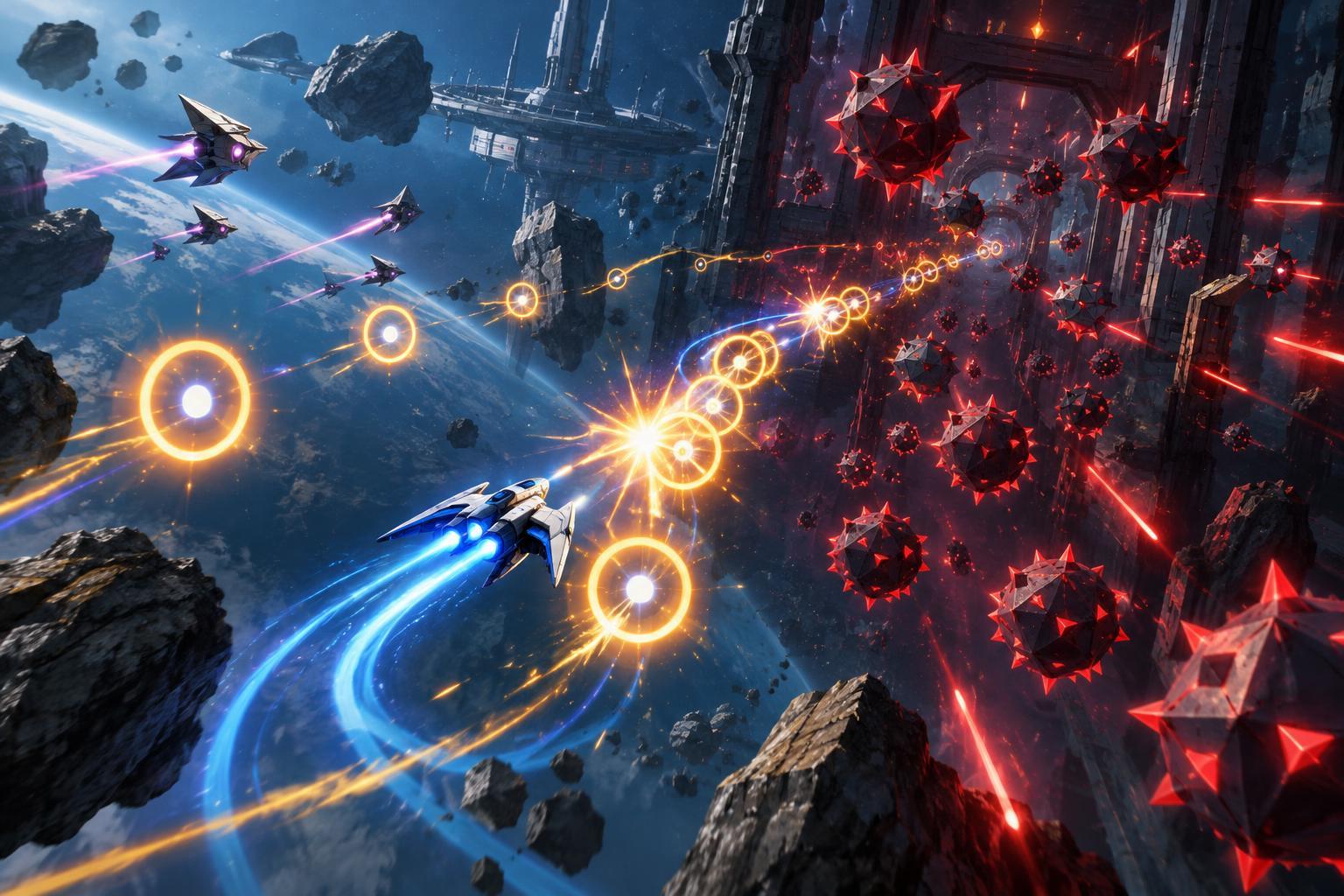
Multipliers make later actions in a successful sequence worth more than earlier ones. This can produce a satisfying arc: build momentum, protect it and cash in with a difficult move. It also raises the stakes. When a mistake erases a large potential bonus, a simple decision—take the safe path or reach for one more target—becomes tense.
The strongest risk-and-reward choices offer more than one viable response. A cautious player might bank points early, while an experienced player keeps a chain alive for a larger payout. If only reckless play can produce a competitive score, the system may discourage players who are still learning. If there is no meaningful cost to maintaining a multiplier, it may stop feeling like an achievement. The balance depends on how reliably players can read threats and control their response.
Scoring rules teach players what to practice
For a beginner, the final number is less useful than the pattern behind it. After a run, ask what earned points consistently. Did quick clears matter more than collecting everything? Did a combo break in the same place each time? Did chasing a bonus cost a life that could have carried the run farther? These questions turn a score into feedback rather than a verdict.
Practice works best when focused on one scoring habit at a time. A player might first learn to keep a short, reliable chain, then look for safe ways to extend it. Another might ignore the multiplier temporarily and concentrate on reaching later stages. This approach is especially useful in arcade-style games, where repeated attempts invite experimentation. It also leaves room for different goals: clearing a game, improving a personal best and competing for a leaderboard place may call for different strategies.
A fair system makes its values visible
From a design perspective, scoring needs to be legible. Players should be able to connect an action with its result, even if mastering the system takes time. Clear point changes, distinct combo feedback and predictable penalties help them learn. A score display that updates too quickly to interpret, or a hidden rule that dominates every run, can make improvement feel like guesswork.
A useful scoring system also allows success at more than one level. New players can enjoy small milestones, such as beating a previous score, while experienced players explore demanding routes and longer chains. The score then serves both as a record and as an invitation: it shows what happened, hints at what could be done differently and gives the next attempt a purpose.