A warning is a promise
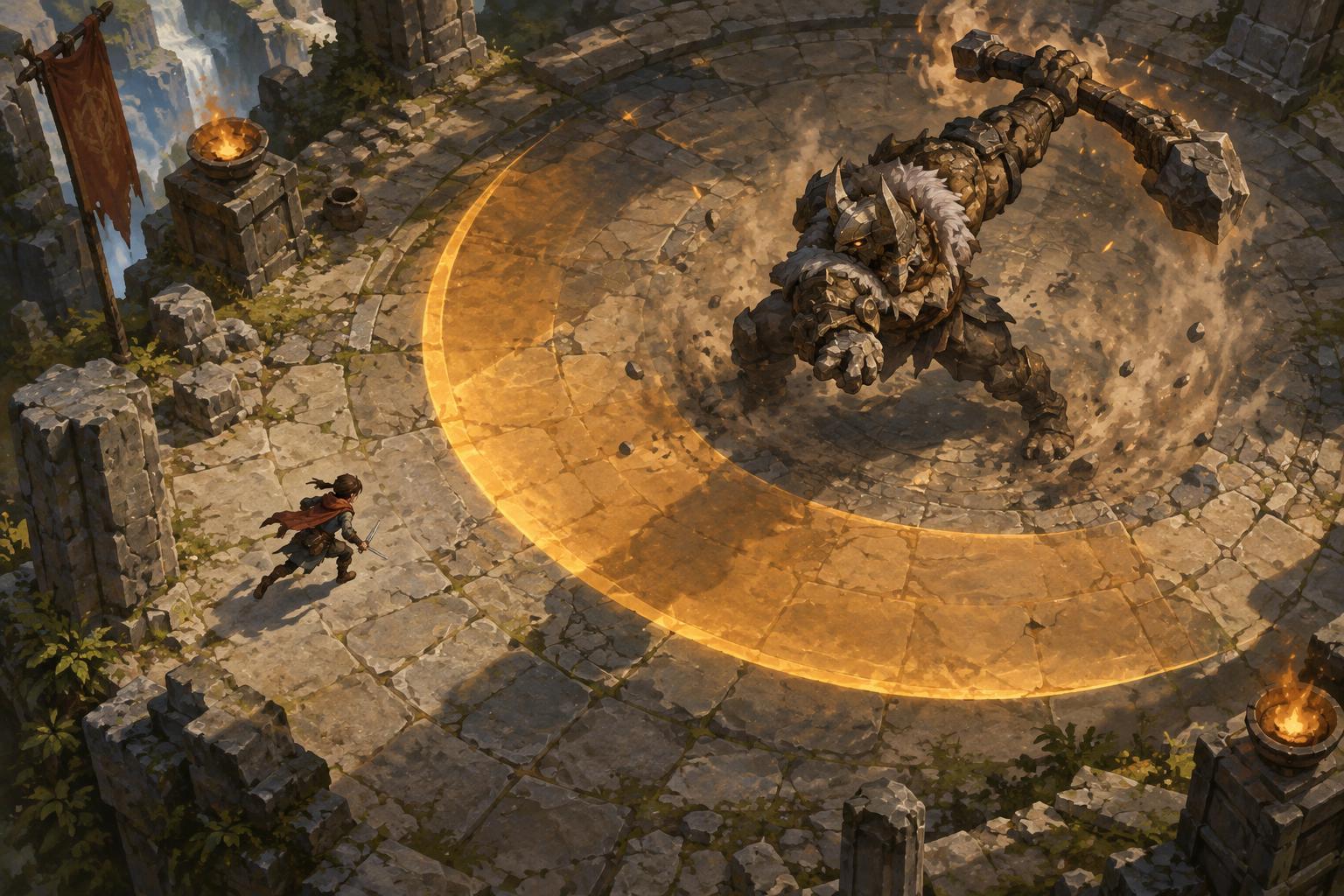
A telegraph is a cue that tells the player an attack is coming. It might be an enemy raising a weapon, a circle appearing on the floor, a distinctive sound or a brief pause before a charge. The cue does not have to reveal every detail. It does need to communicate enough for the player to choose a response: move, block, interrupt the attacker or accept the hit to pursue another goal.
That is the basic promise behind a fair-feeling dangerous encounter. The player can notice a threat, understand what it means and act while their choice still matters. A devastating attack may be exciting because it demands quick judgment. If it lands before its warning is recognizable, the same attack can feel arbitrary. This is independent editorial analysis of game design, not an official guide to any particular game.
Give the player time to read and respond
A telegraph needs more than a visible beginning. Its timing must account for the steps between perception and action. The player has to spot the cue, identify the likely danger, decide what to do and then complete an input or movement. A narrow dodge window can work when the cue is familiar and the character responds promptly. A new attack, a crowded screen or a slow-moving character may need a longer lead-in.
Consistency helps players learn that timing. If an enemy holds its pose for roughly the same interval before each strike, a failed dodge teaches something useful. Designers can vary patterns without making the cue unreliable: one windup might lead to a sweep, while a clearly different stance signals a straight-line charge. The important distinction is that the player should be able to read the difference before committing, not discover it only after taking damage.
Make the danger legible in a crowded scene
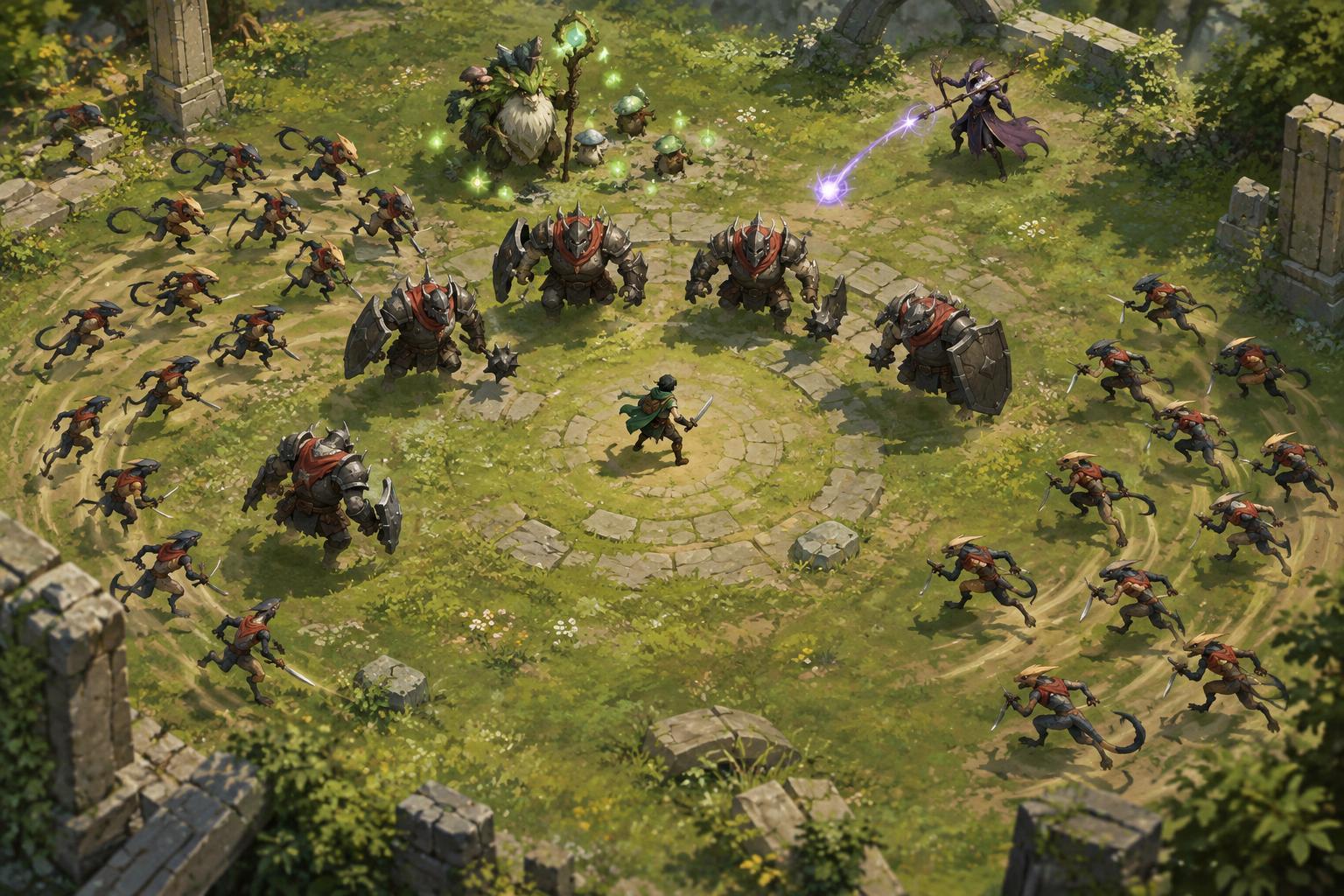
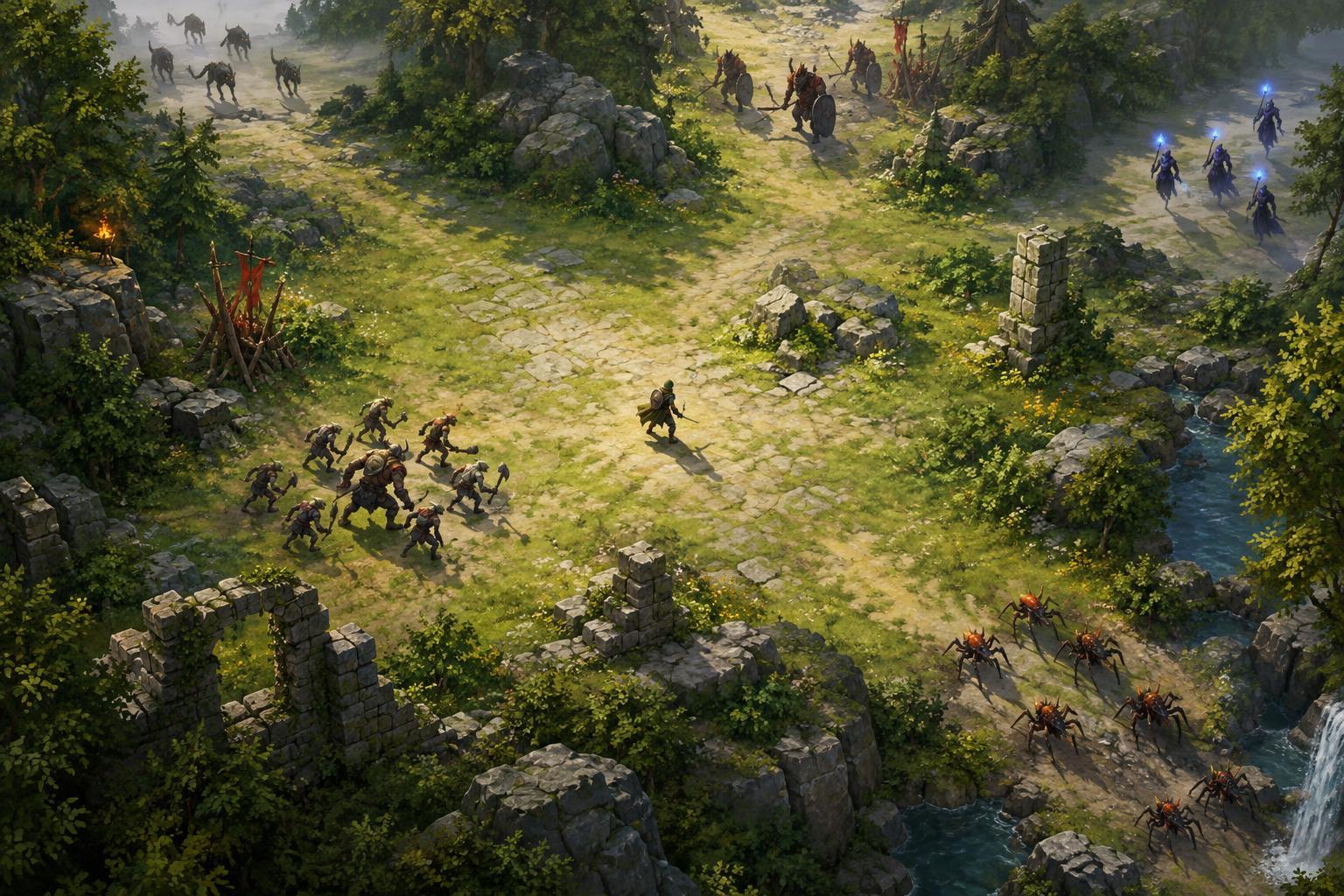
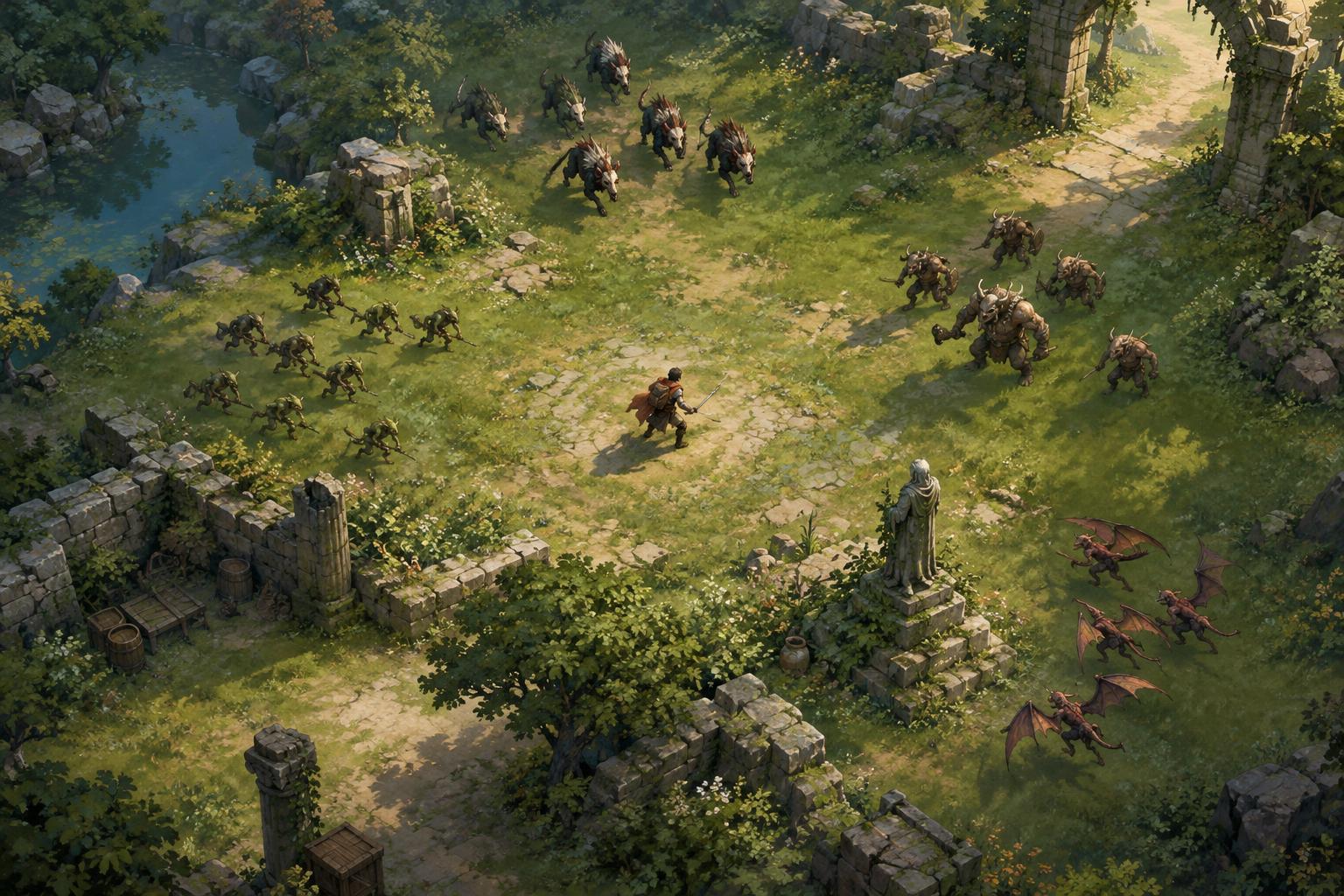
Survival and arcade-style games often fill the screen with projectiles, damage numbers, effects and moving enemies. In that setting, a warning can exist and still be functionally invisible. Contrast, shape and motion can help a telegraph stand apart from ordinary combat effects. A growing boundary might indicate where an attack will land; an enemy turning toward the player can show its direction. The cue should be distinguishable even when several threats appear together.
Layering information across sight and sound can also help. A short audio cue may draw attention to an off-screen attacker, while a visual marker identifies the area to avoid. Neither channel should carry essential information alone when a reasonable alternative is possible. Players may play with the sound low, have difficulty distinguishing certain colors or lose track of a small animation amid visual clutter. Clear silhouettes, patterns and adjustable effects can make a warning easier to use without reducing the threat.
Let the response fit the game’s controls
A telegraph is only fair if the game offers a plausible answer. In an action game with a responsive dodge, a short warning may invite a precise escape. In a survival game where movement is the main defensive tool, the cue may need to leave enough space to step out of danger. If attacks cover nearly every safe route at once, players may be forced to take damage regardless of what they noticed.
This does not mean every hit must be avoidable in isolation. Some encounters ask players to plan positioning, conserve a defensive ability or choose which risk to take. A broad area attack can reward someone who stayed near an exit before the windup began. That kind of pressure feels different from a surprise hit: the player can connect the outcome to an earlier decision and adjust on the next attempt.
Use failure to teach, not merely punish
Roguelites often rely on repeated attempts, so players may encounter the same dangerous move while using different builds. A good telegraph supports learning across those attempts. Its cue remains recognizable even if a faster weapon, larger swarm or unfamiliar upgrade changes the surrounding action. When a hit lands, the player should have a reasonable chance of understanding which attack caused it and what might work next time.
Designers can test this by watching a first encounter rather than explaining the move in advance. Do players look toward the cue? Do they try an appropriate response, even if their timing is imperfect? Can they describe what happened afterward? If not, increasing the warning’s clarity may be more useful than lowering its damage. The goal is not to make danger harmless. It is to let players feel that attention, practice and decisions can change the result.