Pressure Comes From Decisions, Not Just Enemy Count
A crowded screen can look threatening, but enemy count alone does not create engaging pressure. Players feel pressure when they must choose between competing needs: move toward a useful pickup or keep a safe route open, attack a durable target or clear weaker enemies, hold a position or retreat. Good wave pacing gives those choices urgency without making the outcome feel predetermined.
In a survival or arcade-style game, each wave changes the amount of space and time available to act. A slow group may block a desirable path, while a few fast enemies can interrupt a comfortable movement pattern. Combining those threats can be effective, but introducing all of them at full strength at once may leave too little room to respond. This is an unofficial editorial discussion of general game-design principles, not guidance from any game developer.
Establish a Rhythm Before Breaking It
Early waves help players learn the game's basic language. Clear movement patterns, modest enemy variety and enough open space let them test controls and see how attacks behave. Once that rhythm is recognizable, a new wave can change one element: enemies arrive from a different direction, a tougher target appears, or a familiar group arrives sooner than expected. The contrast makes the change noticeable.
A useful pacing pattern alternates between setup, escalation and release. Setup lets players understand the current threat. Escalation asks them to adapt as density or complexity rises. Release does not have to mean an empty screen; it can be a brief period in which remaining enemies are predictable enough for players to collect resources and prepare. Without those lower-pressure moments, even manageable encounters can blend into a tiring, continuous emergency.
Make Escalation Readable
A wave feels fairer when players can tell what is changing. A distinct silhouette, spawn location, movement speed or sound cue can signal that a new threat needs attention. The warning should come early enough to support a decision, especially when enemies can close distance quickly. If players can only recognize danger after taking damage, the encounter may feel abrupt rather than challenging.
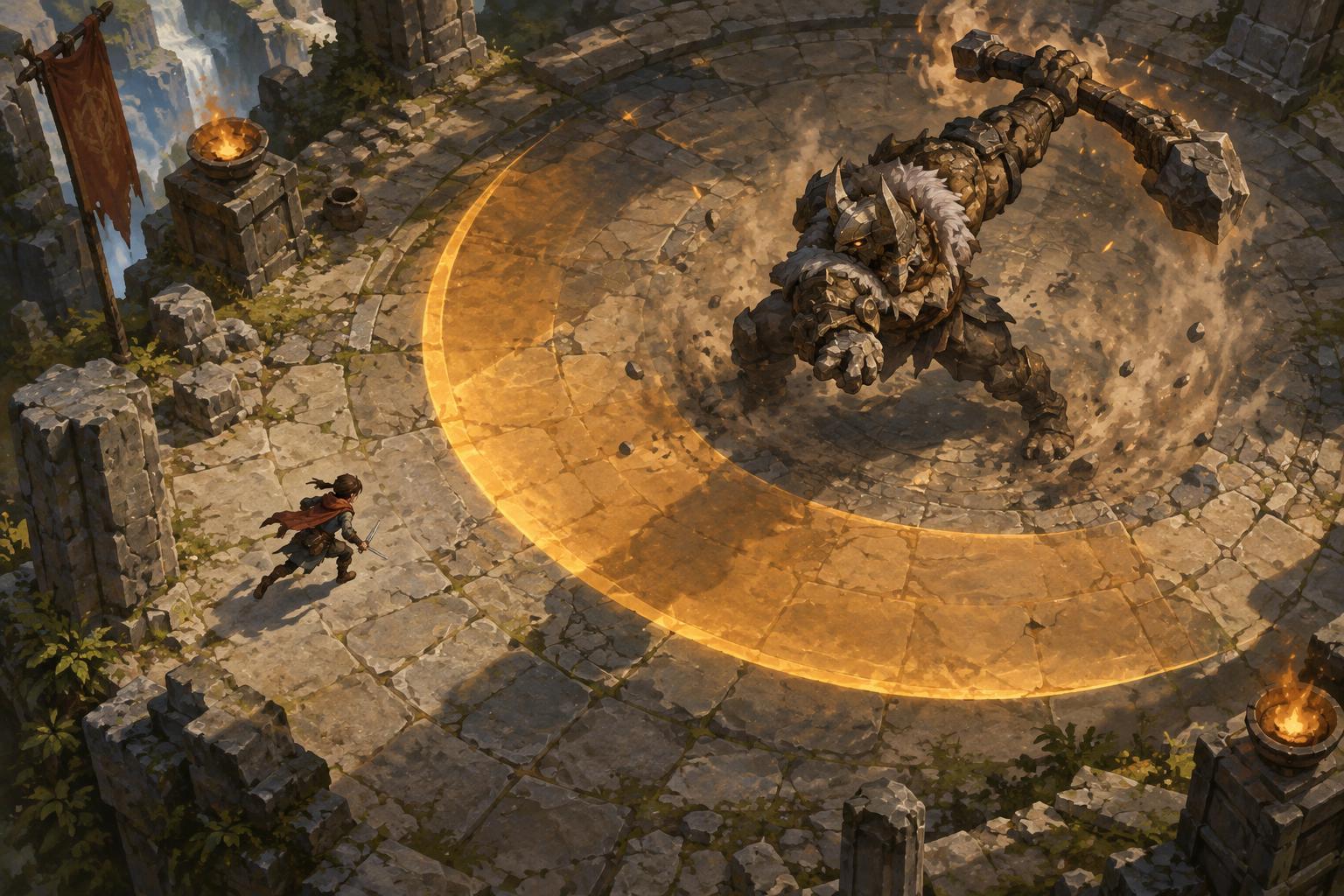
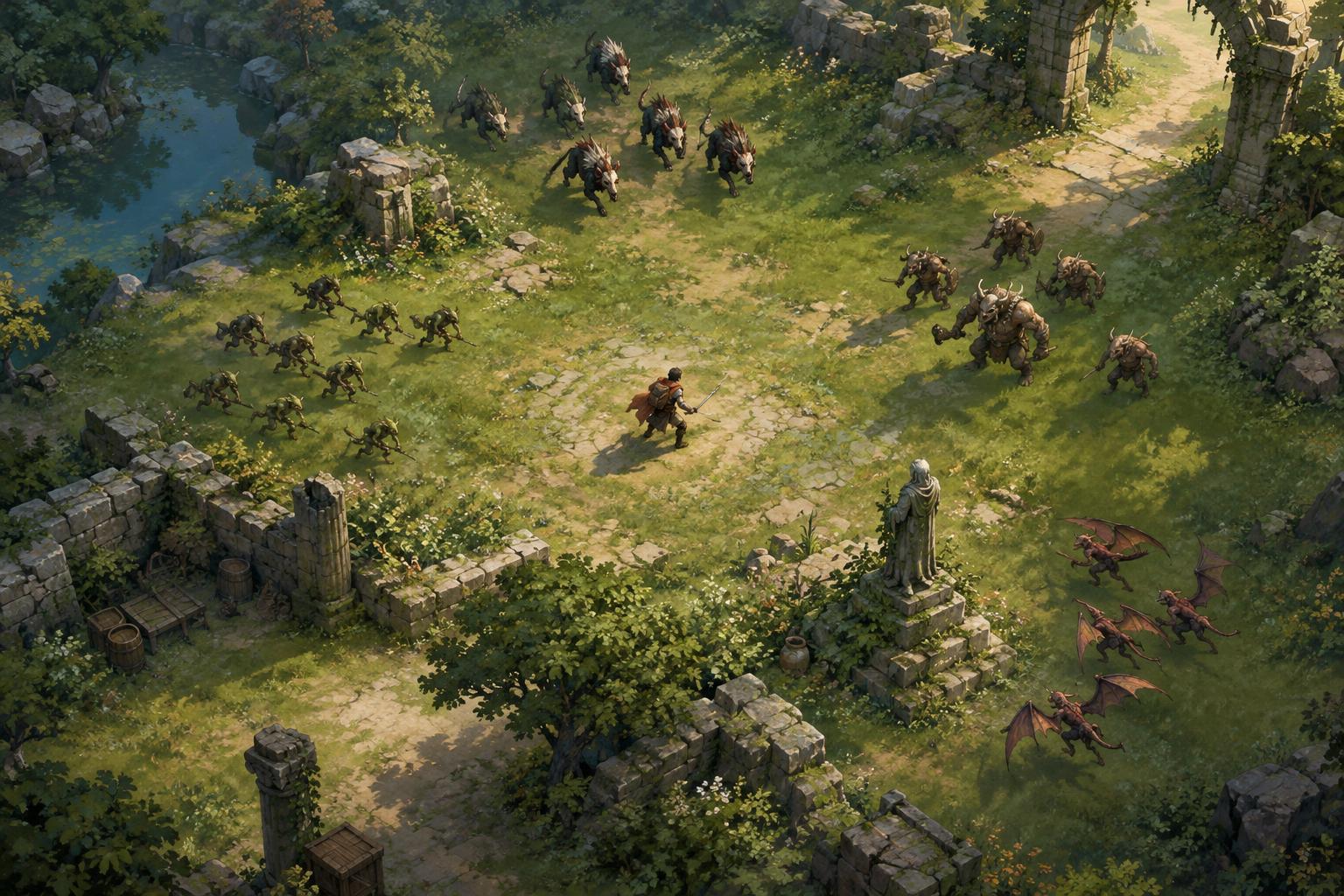
Escalation also works best when its parts have clear roles. Slow enemies can compress the play area; fast enemies can punish careless routes; durable enemies can demand sustained focus. Mixing roles creates interesting problems, but too many unfamiliar roles at once make it difficult to identify a useful response. Designers can introduce a threat on its own, then combine it with familiar enemies later. Players still face a harder wave, but they bring knowledge into it.
Use Space and Recovery as Part of the Wave
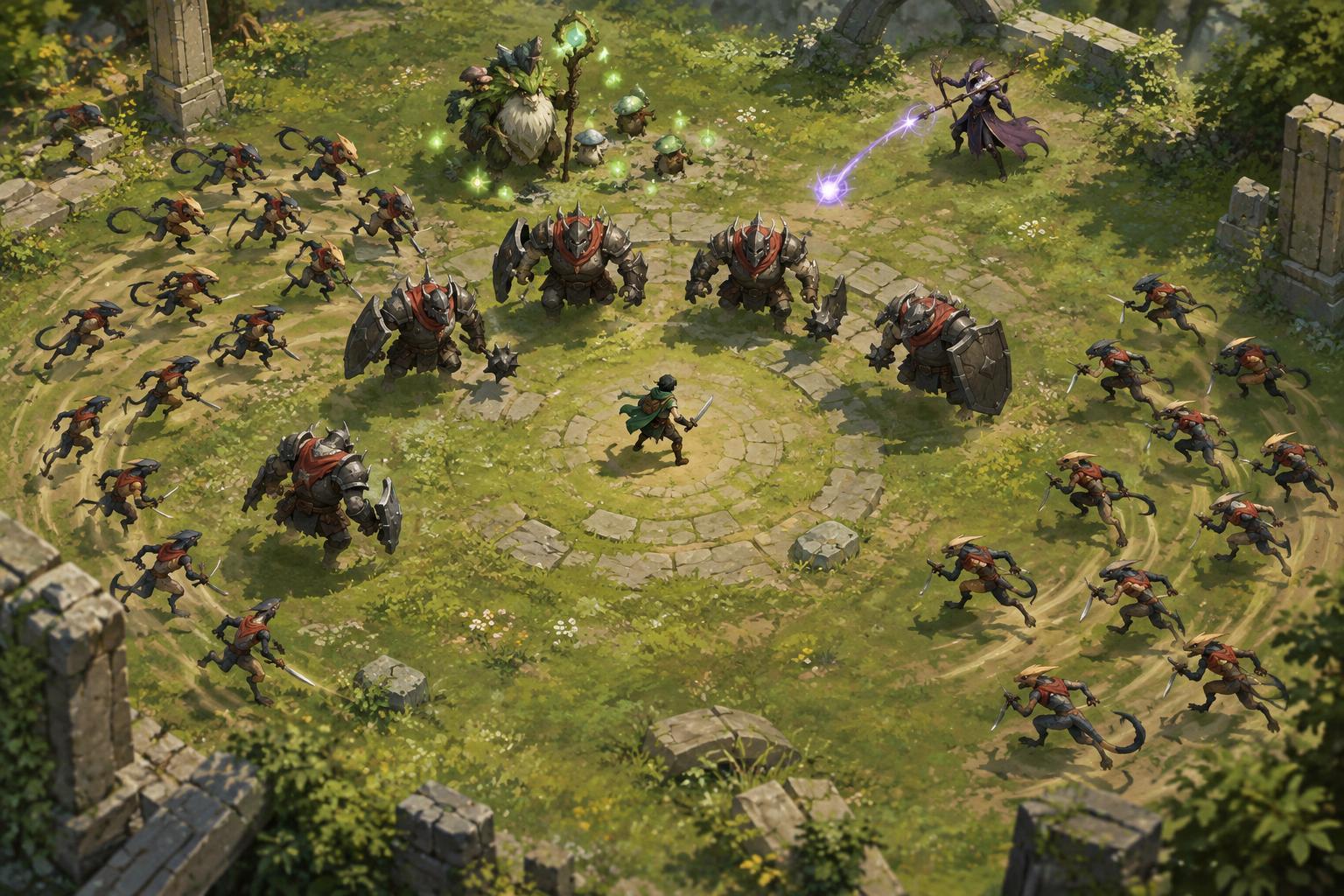
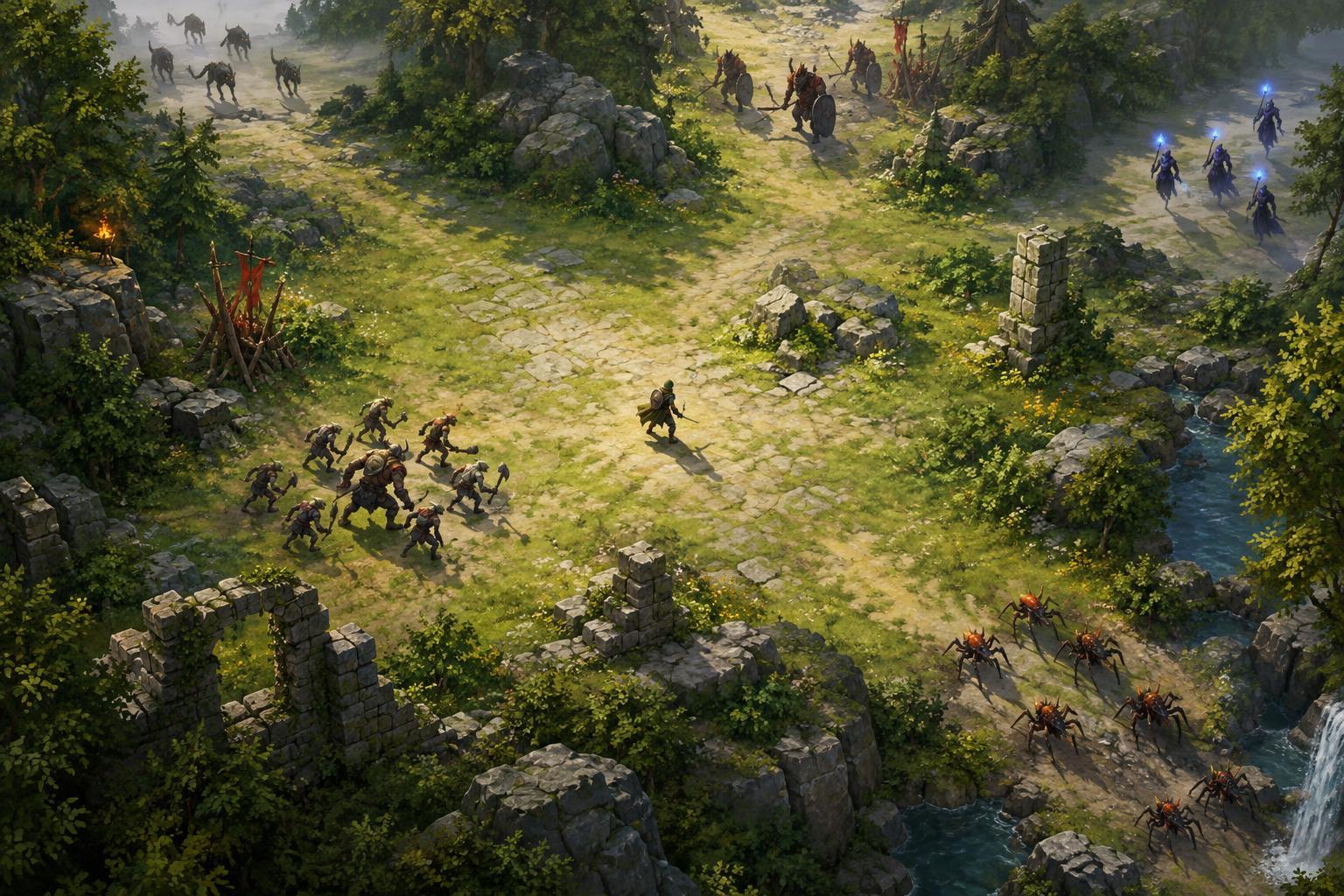
Spawn timing is only one pacing tool. Where enemies appear matters just as much. A group approaching from one side may encourage movement across the arena; enemies arriving from several sides may test route planning. Both can create pressure, provided players have a plausible escape path. Closing every route at once can turn a positioning challenge into unavoidable damage, particularly when movement or attack options are limited.
Recovery windows give players a chance to use what they earned during a difficult stretch. They might choose an upgrade, change position or pursue resources they previously had to leave behind. These moments can also make the next escalation more meaningful: a player who has time to form a plan understands when that plan is being tested. Recovery is therefore not merely a break from play. It is part of the decision-making loop.
Test the Experience From More Than One Starting Position
A wave that works for a well-equipped player may overwhelm someone with a weaker build or less experience. Designers can test pacing by watching whether players can identify the threat, attempt a response and understand why they succeeded or failed. Repeated failures with no apparent alternative may point to a problem with timing, visibility or available space rather than a need for more practice.
It also helps to test with different control methods and visual settings where the game supports them. Dense effects or small enemies can obscure the cues that make a wave readable. Adjusting contrast, spacing or the timing of arrivals may preserve the intended challenge without simply removing enemies. The goal is not to make every wave comfortable. It is to let tension rise while keeping meaningful choices within reach.