A spawn rule is part of the challenge
In a survival or arcade-style game, a spawn rule determines when and where a new enemy enters play. The rule might place enemies beyond the visible screen, choose a point around the player, use a fixed entrance, or draw from several possible locations. Games often combine these approaches and change them as a run progresses. This is unofficial editorial coverage of game design concepts, not a description of any one game’s exact rules.
Placement matters because an enemy’s starting position affects how much time the player has to react. A slow opponent appearing far away may be easy to avoid; the same opponent appearing beside a narrow exit can be dangerous. Spawn rules therefore shape difficulty even when enemy health, speed and damage stay the same. They also influence whether the player feels encouraged to keep moving, hold a position or plan a route through the arena.
Distance and direction change the pressure
Spawning enemies just outside the camera can create a steady flow without making them appear abruptly in the player’s path. The distance gives players time to see an approaching threat and decide whether to fight or move. By contrast, close spawns demand a faster response. They can suit a game built around quick reactions, but may feel unfair if the player has little warning or no safe route.
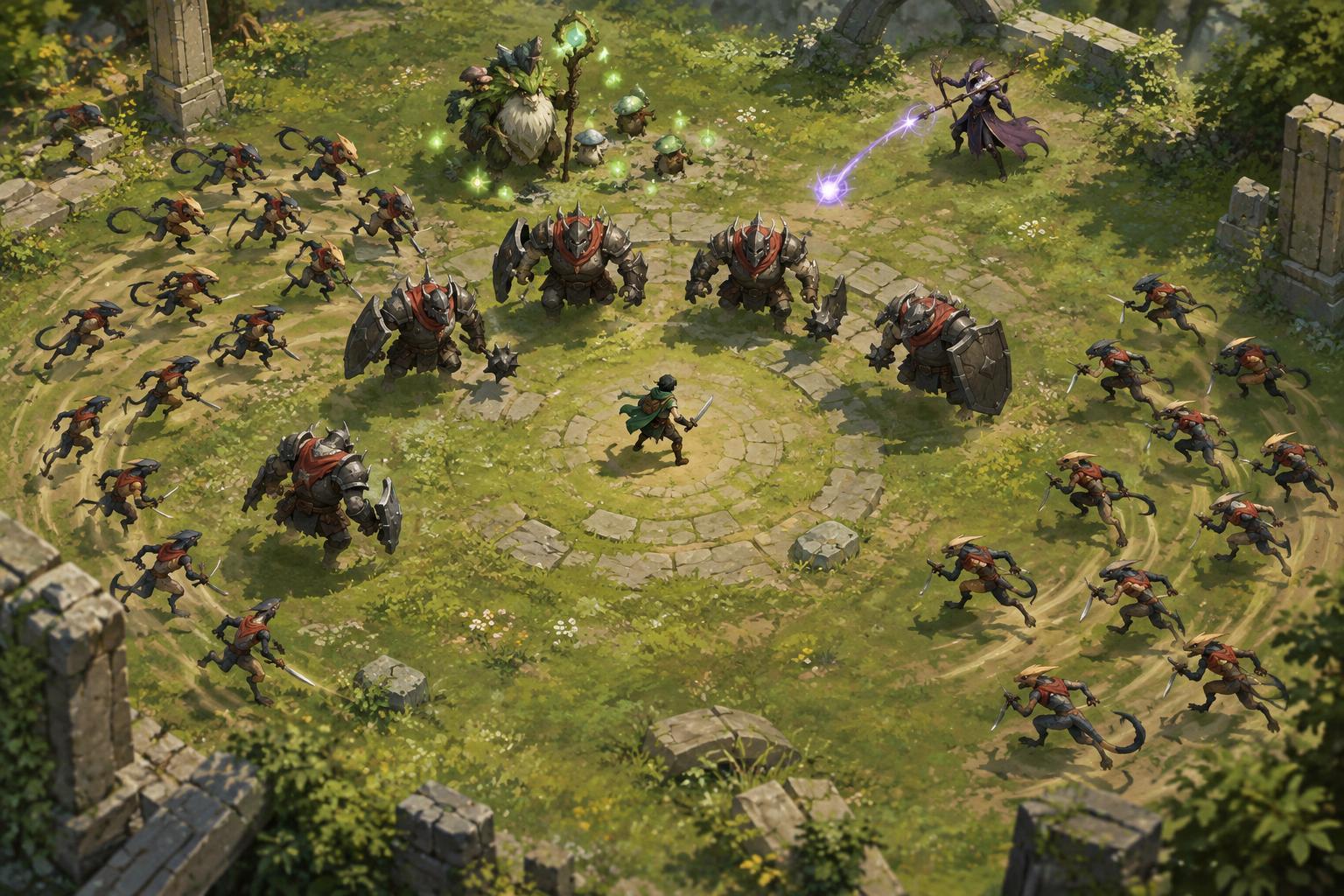
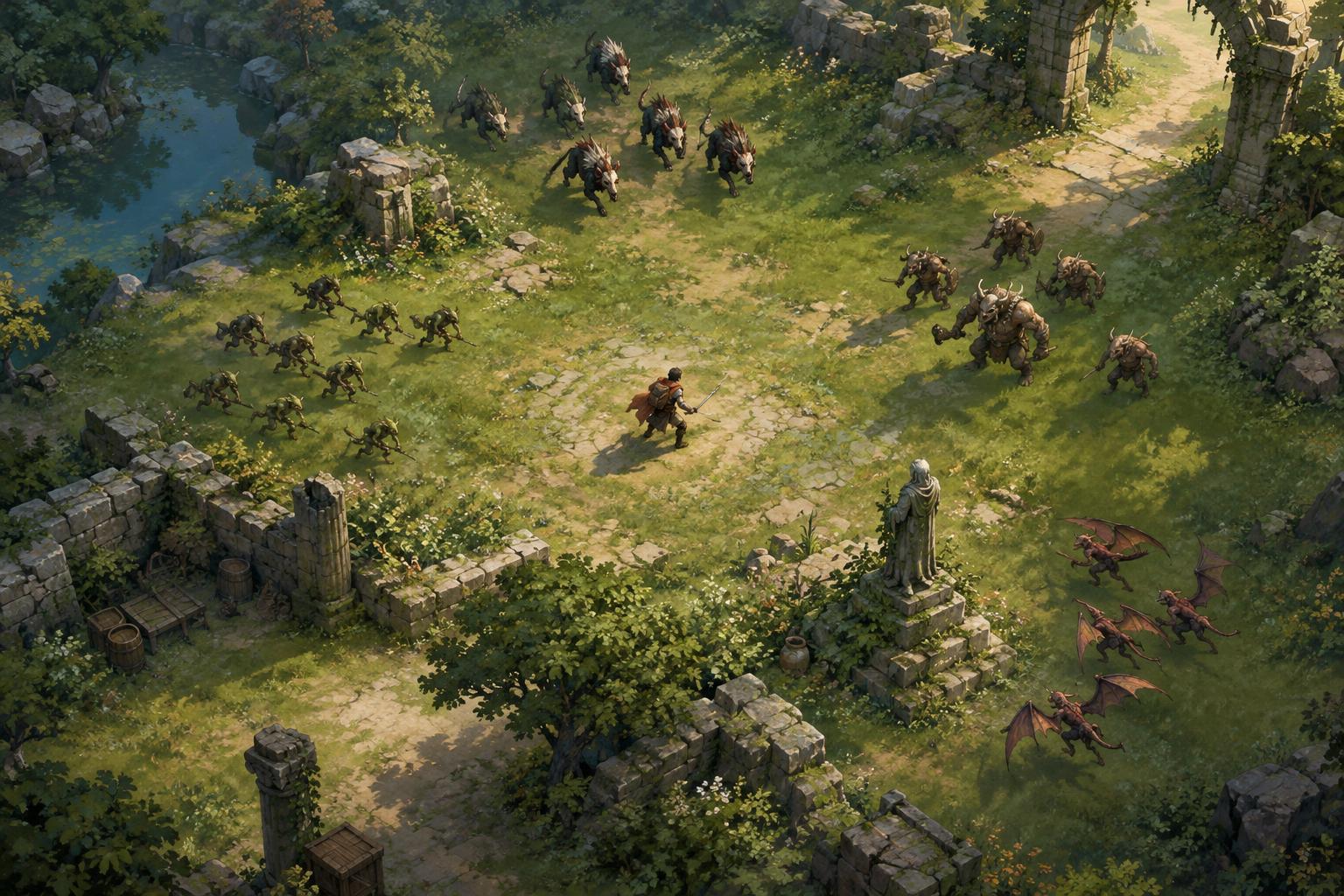
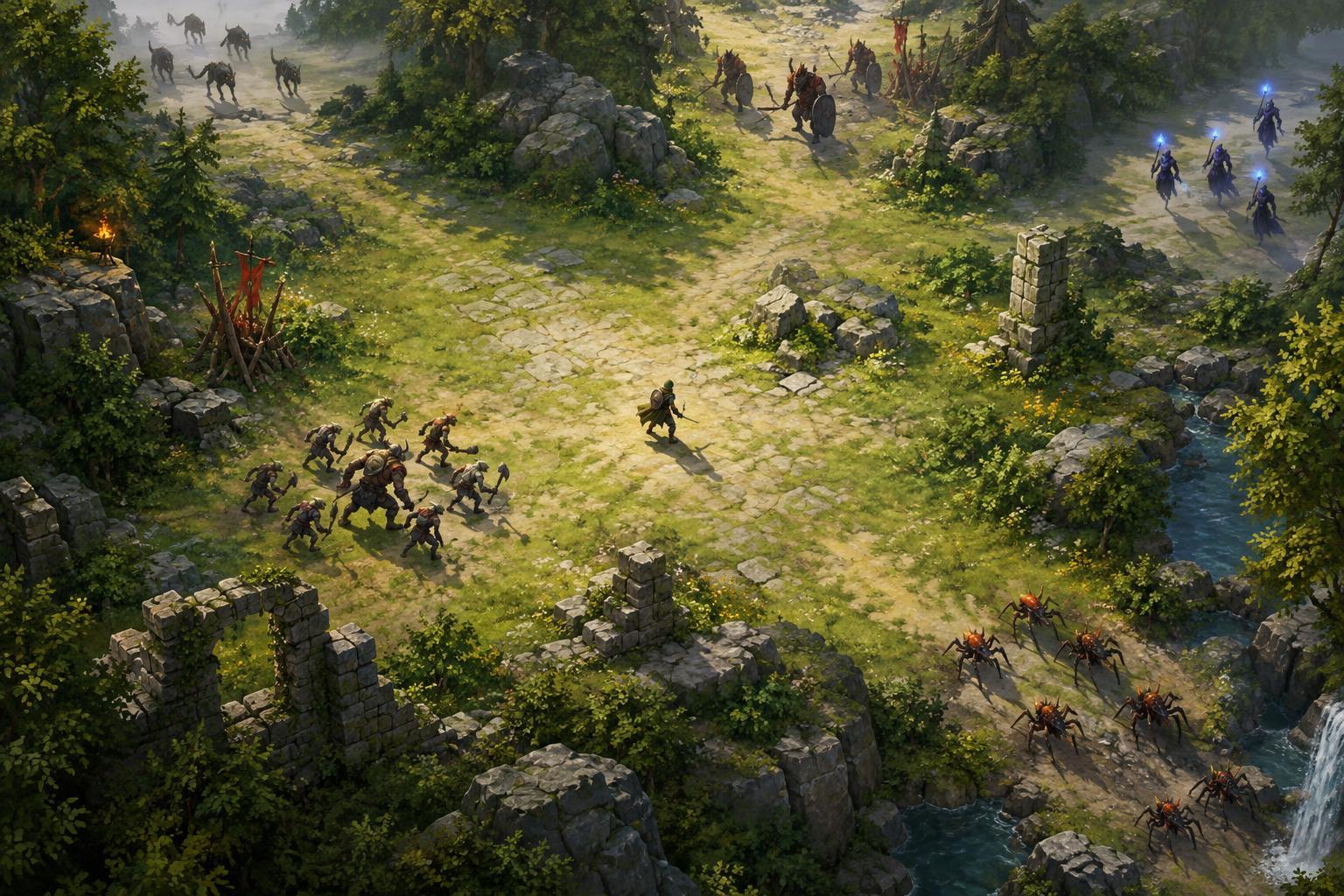
Direction matters as much as distance. Enemies arriving mainly from one side form a front that players can manage with focused attacks. Enemies arriving from several sides create a positioning problem: backing away from one group may lead into another. A designer can alternate these patterns to vary the challenge without constantly adding new enemy types.
The arena changes how each rule feels. A distant spawn across open ground offers room to maneuver. A spawn near a wall, obstacle or corner may cut off an escape route. When a game has a moving camera, a location that is technically far from the character can still enter view quickly. Good placement accounts for the space players can actually see and use.
Timing turns placement into a pattern
Where enemies appear is only half the rule; when they appear determines whether the pressure is readable. A continuous trickle gives players small decisions to make while they travel or collect resources. A wave creates a distinct event that can reward preparation, such as reaching open ground before it begins. Short pauses between waves can give players time to assess their health and choose a direction.
Several spawns arriving together can form a crowd before the player has dealt with the previous group. That may be the intended challenge, especially late in a run, but it changes the importance of area attacks and movement speed. A slower schedule with more widely spaced enemies may instead favor precise attacks. Neither approach is automatically better; each supports a different rhythm.
Predictability also affects planning. Repeated entrances let players learn where danger will come from, while varied entrances test their ability to adapt. A useful balance is to make the general threat understandable without making every appearance identical. Clear visual or audio cues can help players respond when the exact spawn point is uncertain.
How to read spawns during a run
Players can learn a great deal by watching the edges of the arena rather than only the nearest enemy. Notice whether new threats tend to arrive ahead of your movement, behind you, at fixed locations or from all sides. After a few waves, ask which spaces remain open longest. This observation can be more useful than memorizing a single route, because later enemies may close routes that were safe earlier.
If spawns gather behind you, steady movement may keep space ahead clear, though moving too fast can carry you into an unseen group. If enemies surround you, try to identify a thinner side before the circle closes. Near fixed entrances, avoid lingering where a fresh group could block your exit. These are general habits, not guaranteed solutions: enemy behavior, attack range and arena layout can change what works.
Spawn patterns can guide build choices, too. Frequent close appearances increase the value of reliable nearby coverage. Enemies arriving in lines may be easier to handle with attacks that travel through multiple targets. When threats come from several directions, an attack that requires careful aiming can still work, but it asks more of the player’s positioning.
Fairness depends on what players can perceive
A difficult spawn can be satisfying when the player has enough information to respond. The warning might be a visible entrance, a brief effect at the spawn point or a consistent delay before an enemy becomes dangerous. Without that information, a close spawn can feel like a surprise penalty rather than a test of skill.
Readable spawns also matter for accessibility. Dense effects, small enemies or threats entering from beyond the visible area can make the pattern harder to follow. Designers can help by separating enemy silhouettes from the background, avoiding important warnings that rely on color alone, and leaving enough time between a warning and a threat for players to act. Spawn rules work best when they create pressure that players can recognize, learn from and answer.