Think of the pickup as a choice, not a refill
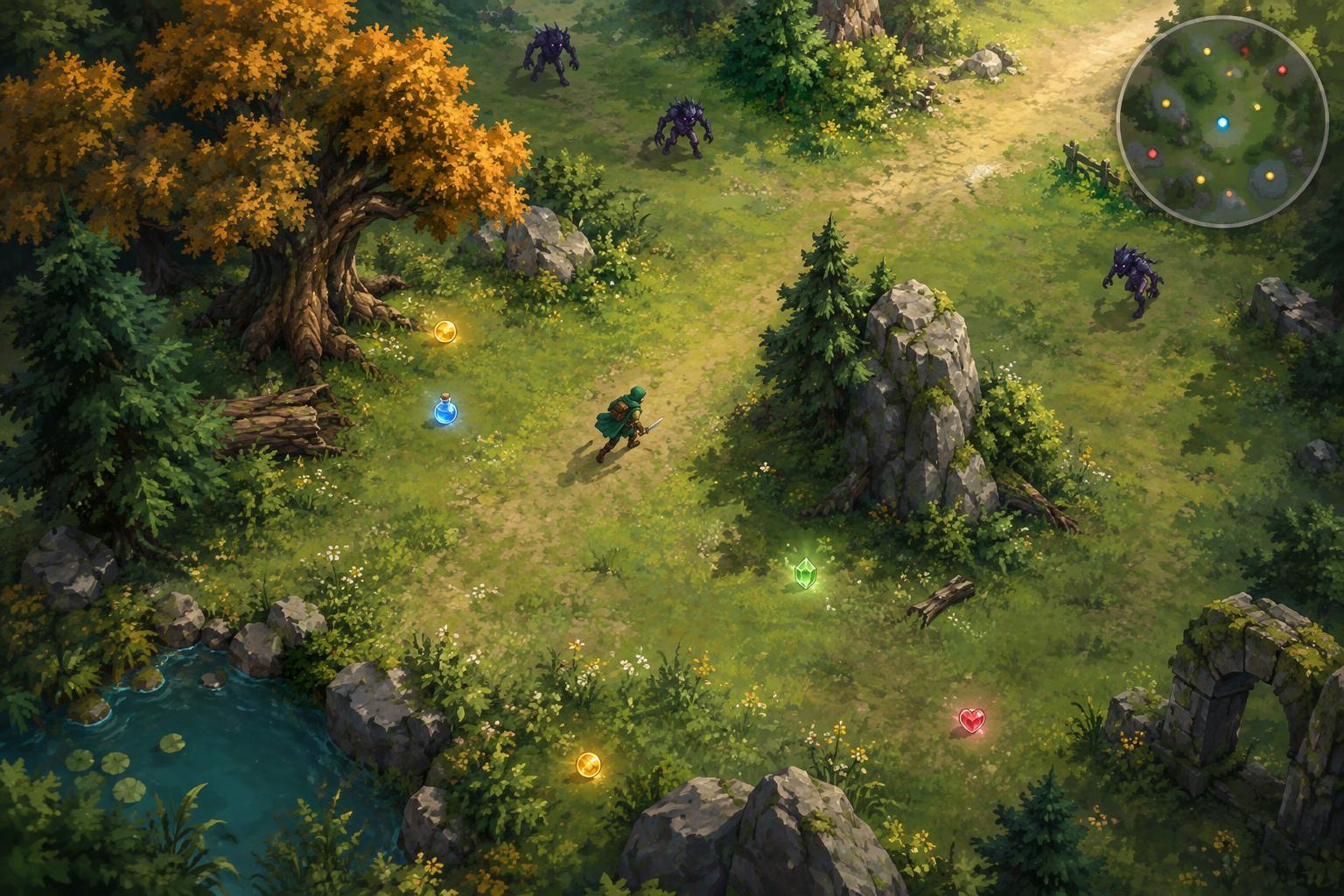
In an arcade-style survival game, a healing pickup on the ground presents two options: restore health now, or leave yourself a possible refill later. Saving it can feel efficient when you are missing only a little health. But that plan works only if the pickup remains available and you can reach it when you need it. Neither is guaranteed.
The useful question is not simply, “Am I low enough to heal?” It is, “Will taking this now improve my chance of surviving more than trying to return for it later?” Your answer can change within seconds as enemies move, your route closes or the next wave begins. Treat the decision as part of your movement plan rather than stopping in a dangerous spot to calculate the exact amount of healing you might waste.
Collect it when the next mistake could end the run
Take the pickup if your current health leaves little room for an unexpected hit. A familiar enemy may be easy to dodge alone, but crowded screens, knockback and overlapping attack patterns make damage harder to predict. Healing before entering a dense group can be more valuable than preserving every point of the pickup for later.
Also consider what you are about to do. If you must cross a narrow gap, approach a tough enemy or move through an area with poor visibility, extra health gives you a buffer. Waiting until you are nearly defeated may be too late if the pickup is behind the danger. You do not need to be at critical health to justify collecting it; you need a reason to believe the added margin matters now.
A simple beginner rule is to heal when you would otherwise have to abandon a useful route or play unusually cautiously just to avoid one hit. Staying alive and keeping a clear path generally matters more than extracting the maximum possible value from a single item.
Check whether you can realistically return
Leaving healing behind creates a return trip. Before you commit to that trip, look at where the pickup is relative to the enemies, obstacles and open space. If it is near the edge of a safe loop, you may be able to circle back. If it sits in a corridor that enemies are filling, the apparent reserve may be difficult to use.
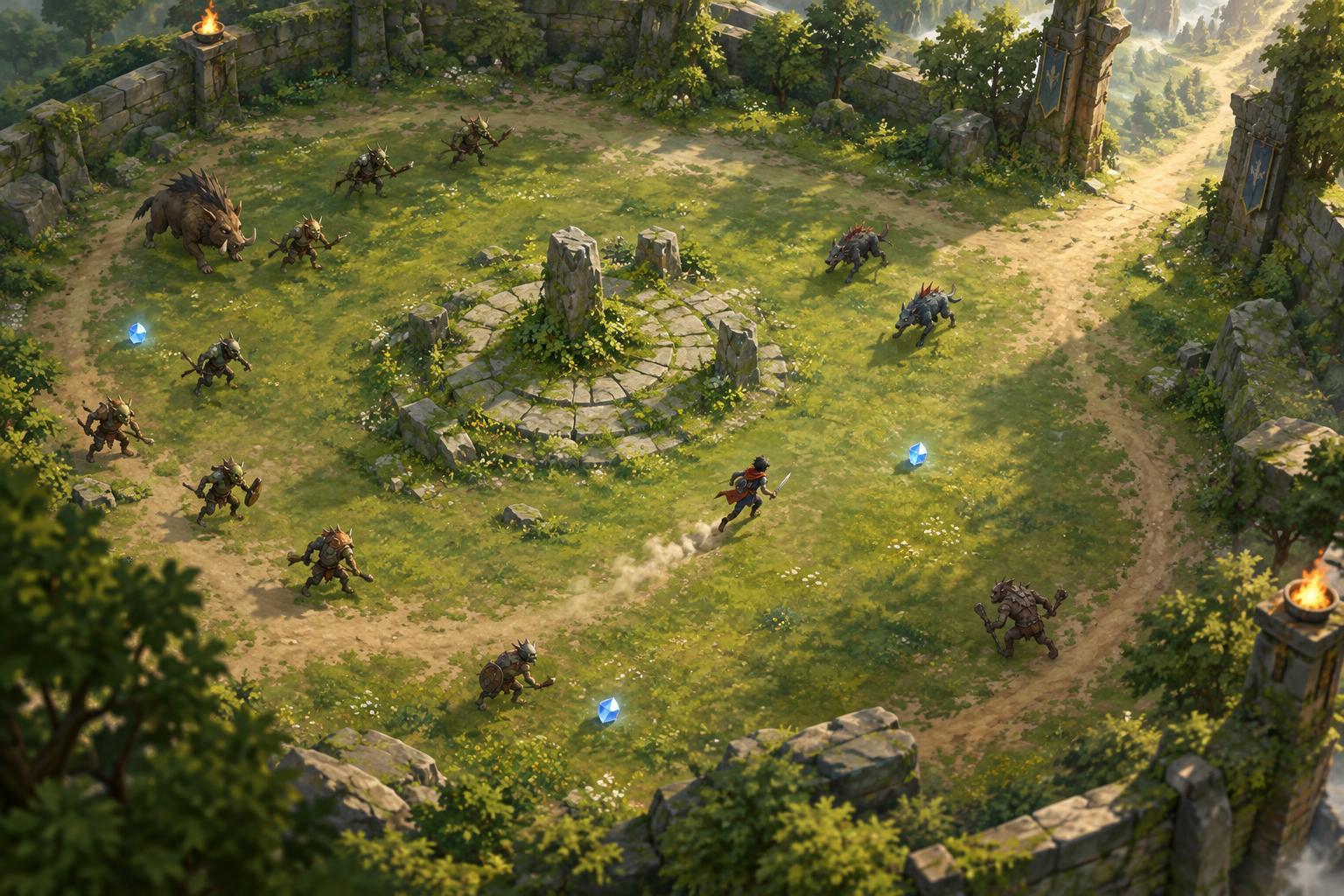
Enemy pressure can make a pickup less accessible over time. A route that is open now might be blocked once more enemies gather. Likewise, changing direction solely to retrieve healing can expose you to contact damage. If collecting it now requires only a small adjustment, while collecting it later would require a risky detour, taking it early may be the safer choice.
Pay attention to the game's rules as you learn them. Some games leave pickups in place; others limit how long items remain or how many can be present. If you do not know the rule, avoid building your entire survival plan around a pickup staying where you left it.
Save it when the reserve has a clear purpose
Holding a pickup can be sensible when you are near full health, the area is easy to revisit and you have enough health to handle a mistake. In that situation, collecting it immediately may provide little benefit. Leaving it along a route you already expect to travel gives you an option without demanding a special trip.
Be specific about the plan. “I will take this on my next loop if I lose health” is more useful than “I might need it someday.” Note a visible landmark or a consistent movement path so you do not have to search for the item under pressure. If your route changes, reassess the pickup rather than treating the original plan as fixed.
Saving healing is especially attractive when the pickup restores a fixed amount and you are missing much less than that amount. Even then, do not let the desire to avoid wasted healing cause preventable damage. An unused pickup has no value if you cannot safely reach it before the run ends.
Make the call quickly and keep moving
Use a short mental check: How many hits can I likely withstand? Is the pickup on my current path? Will this area be safe to revisit? Do I know whether the pickup will remain? If health is low, the return route is doubtful or the item may disappear, collect it when you can do so safely. If health is high and the pickup lies on a reliable future route, leaving it is a reasonable gamble.
These are guidelines, not universal thresholds. Enemy behavior, healing amounts and movement options differ between games. The strongest habit is to revise your decision as conditions change. Healing is a resource, but so are safe space, time and attention; spending a little healing early can protect all three.