Treat cover as a route, not a hiding place
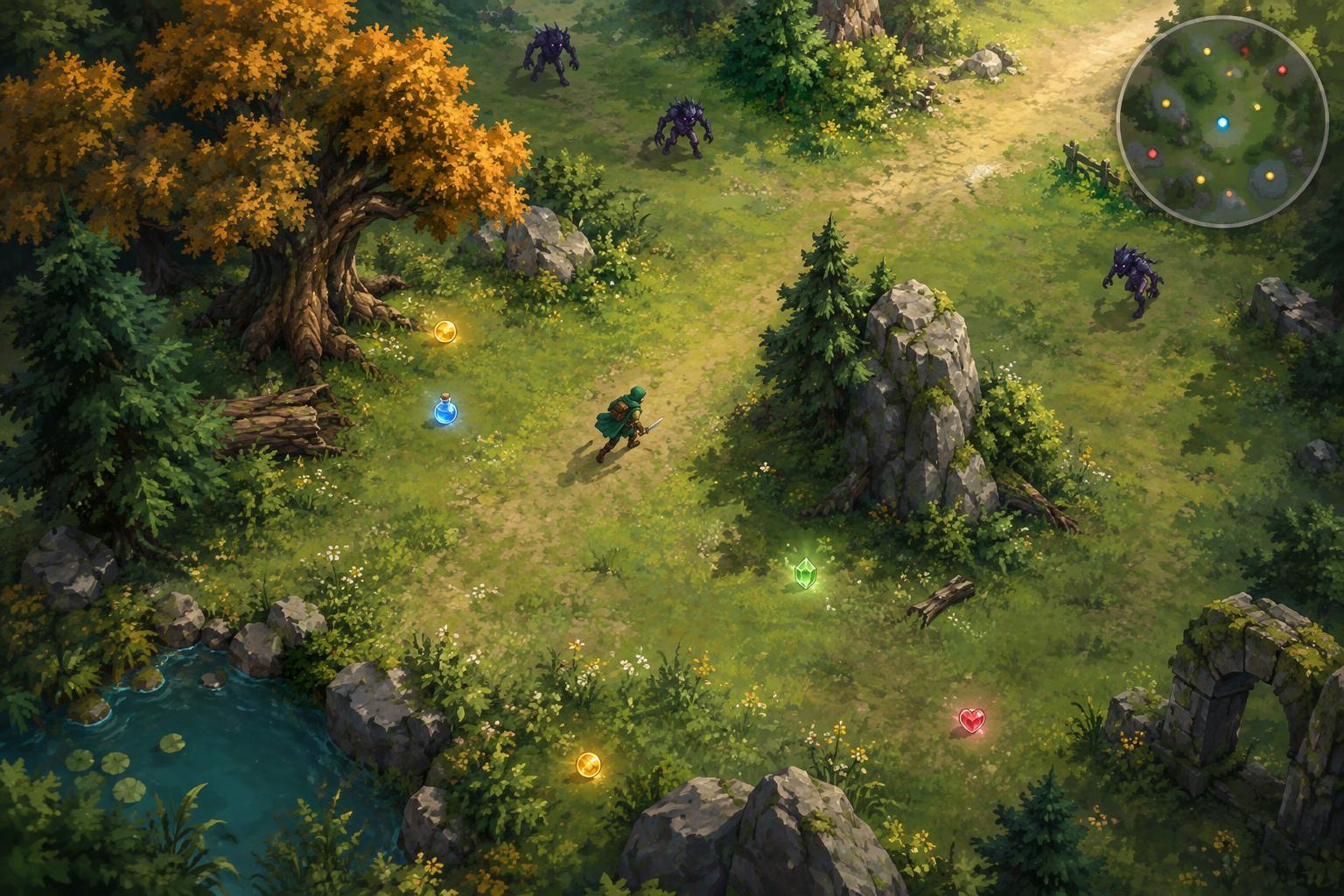
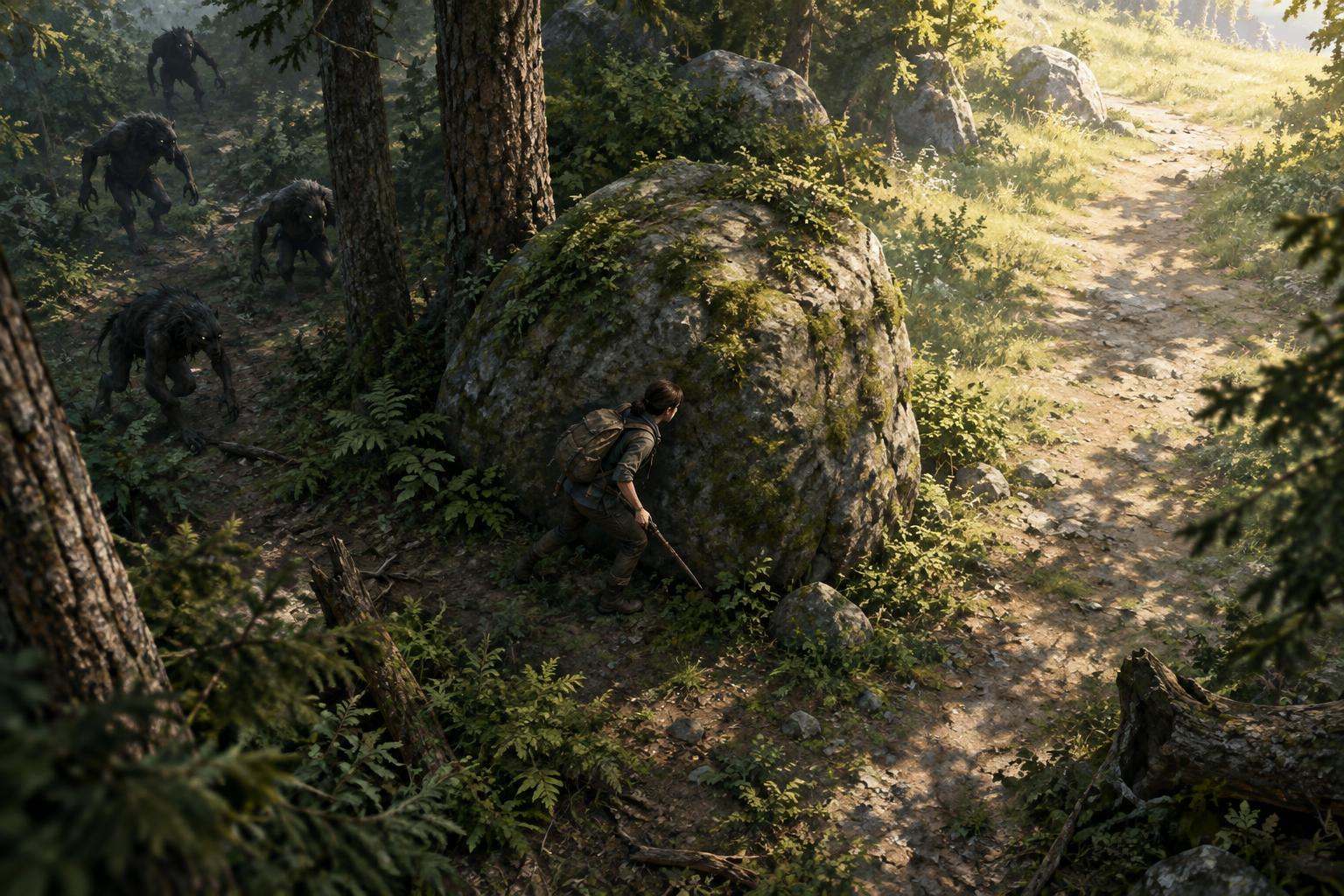
An obstacle can be useful even when it does not stop every attack. A wall may interrupt a pursuer’s direct path, while a tree or pillar may give you a moment to move around a crowded area. The danger is assuming that the obstacle makes the position safe. If enemies can approach from both ends, the space beside it may quickly become narrower than the open ground you left.
Before moving toward cover, look at what lies beyond it. Can you pass around either end? Is there enough room to turn without brushing against enemies? Does the route lead back into open space, or into another wall? In a fast arcade survival game, you may have only a brief chance to answer those questions. Thinking of cover as part of a path, rather than as a destination, makes that decision easier.
Approach from the side with an exit
The safest side of an obstacle is often the one that leaves you the most choices. A long wall might protect one flank, but following it toward a closed corner removes your ability to turn away. Instead, approach at an angle that lets you continue past an end or peel back into open ground. You can still gain the benefit of terrain without committing to a dead end.
Keep a little space between your character and the obstacle when possible. That gap gives you room to adjust if an enemy appears ahead or your movement is slower than expected. Pressing tightly against a wall can make a small steering error costly, especially when movement is imprecise or the screen is busy. If the game’s collision boundaries are hard to judge, test them during a calm moment rather than during a chase.
Watch how enemies move around terrain
Obstacles are most useful when you understand what they do to enemy movement. Some enemies take a longer route around solid objects; others may pass through them, attack over them or appear on the far side. An obstacle that delays one group might do nothing to another. Observe those differences during lower-pressure encounters and avoid relying on cover against an enemy whose behavior you have not seen.
You can sometimes use a corner to gather pursuers on one side, then move around the opposite end. The goal is not to stand still until the crowd reaches you. It is to create a short delay and spend that time changing position. Check the direction of newly arriving enemies as well as the group behind you. A clear-looking exit can close while you are focused on the obstacle.
Leave before the escape route disappears
A useful habit is to choose your exit before you use the cover. If the opening ahead becomes crowded, know whether you will turn back, circle wide or cross into open space. Leave while the gap is still comfortable; waiting until enemies touch the edge of the route makes every movement more exacting. You do not need to squeeze every possible second out of a protected position.
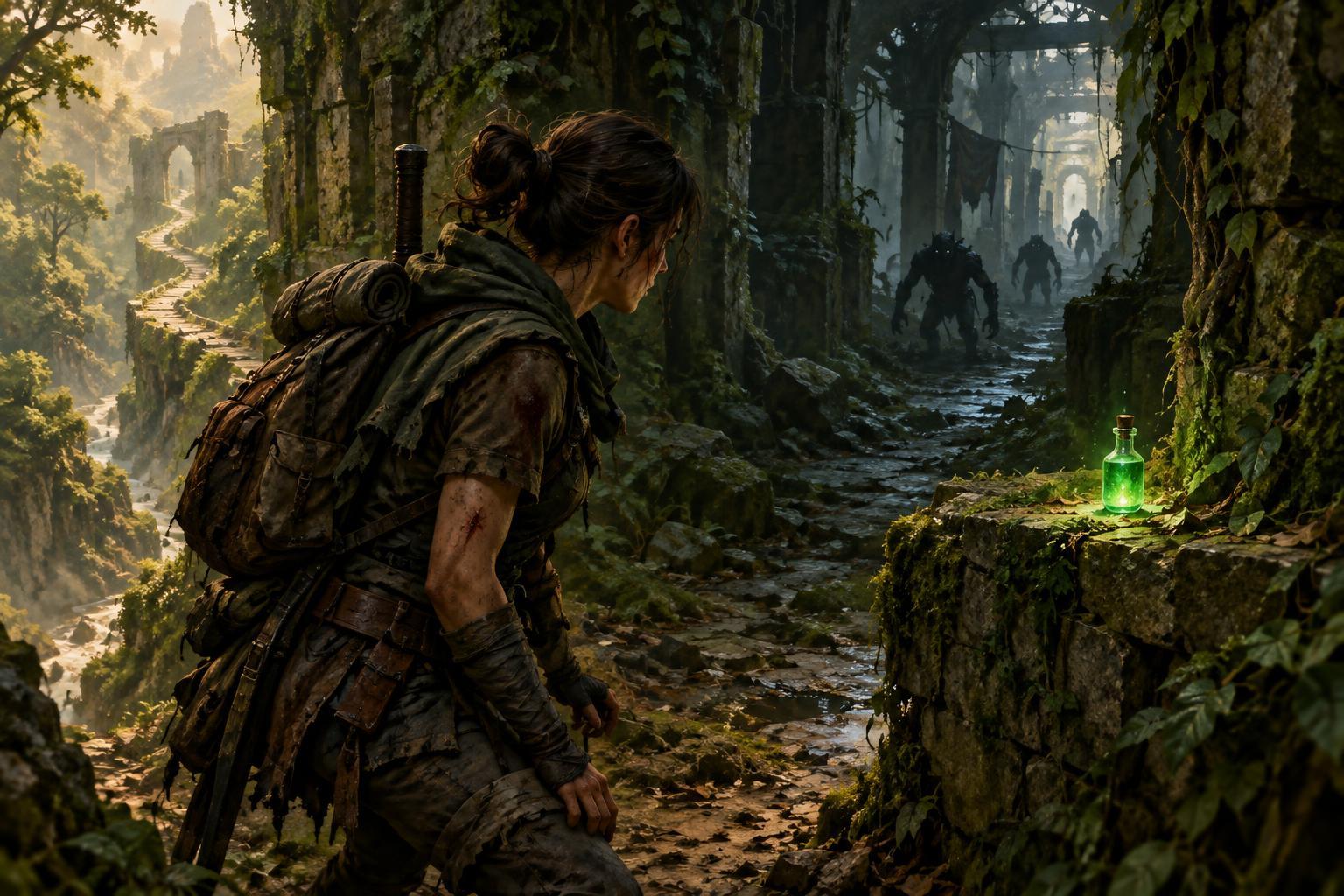
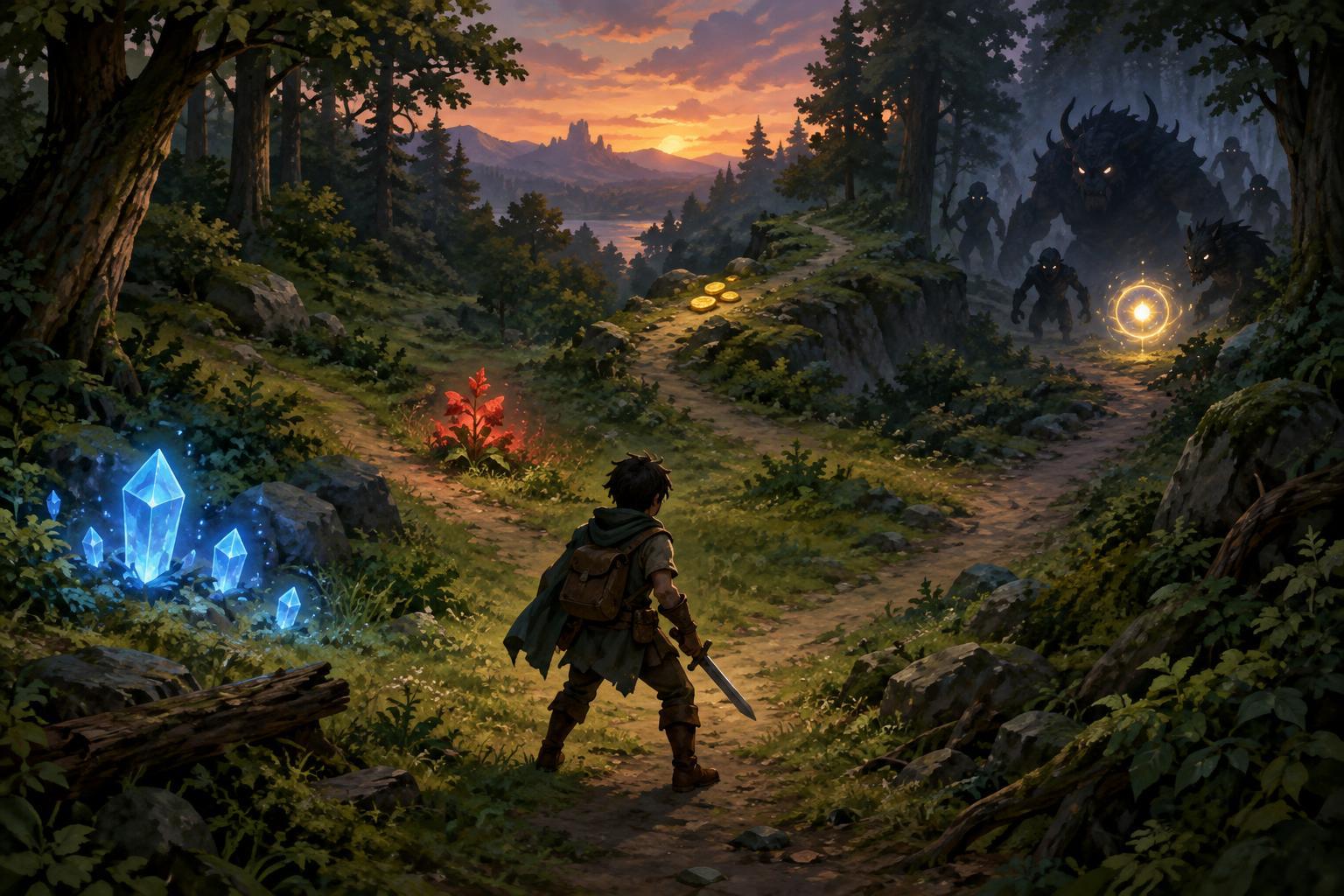
Pay attention to changes that reduce your options. A growing crowd behind you, a slow-moving enemy at the far end or an area attack covering the open side can all turn good cover into a trap. In games with pickups or rewards on the ground, resist stepping into a pocket solely to collect one. You can often return after the crowd has moved, or decide that the reward is not worth losing a safe route.
Practice a simple cover check
When you spot an obstacle, try a quick three-part check: what does it block, where will enemies gather, and where will you go next? This works for walls, rocks, furniture and other terrain, though the answers depend on the game’s rules. If you cannot identify an exit, stay in open space until you have a better angle. Open ground may offer less protection, but it often gives you more room to react.
Start practicing with obstacles that have visible ends and plenty of space around them. Move past one end, look for how the crowd responds, then leave before the gap closes. As you learn the game’s movement and enemy patterns, you can make tighter turns when they are useful. This is independent, unofficial editorial guidance for survival games, not a rule that fits every map or encounter: the best cover is cover you can leave.