Start by learning what currency can do
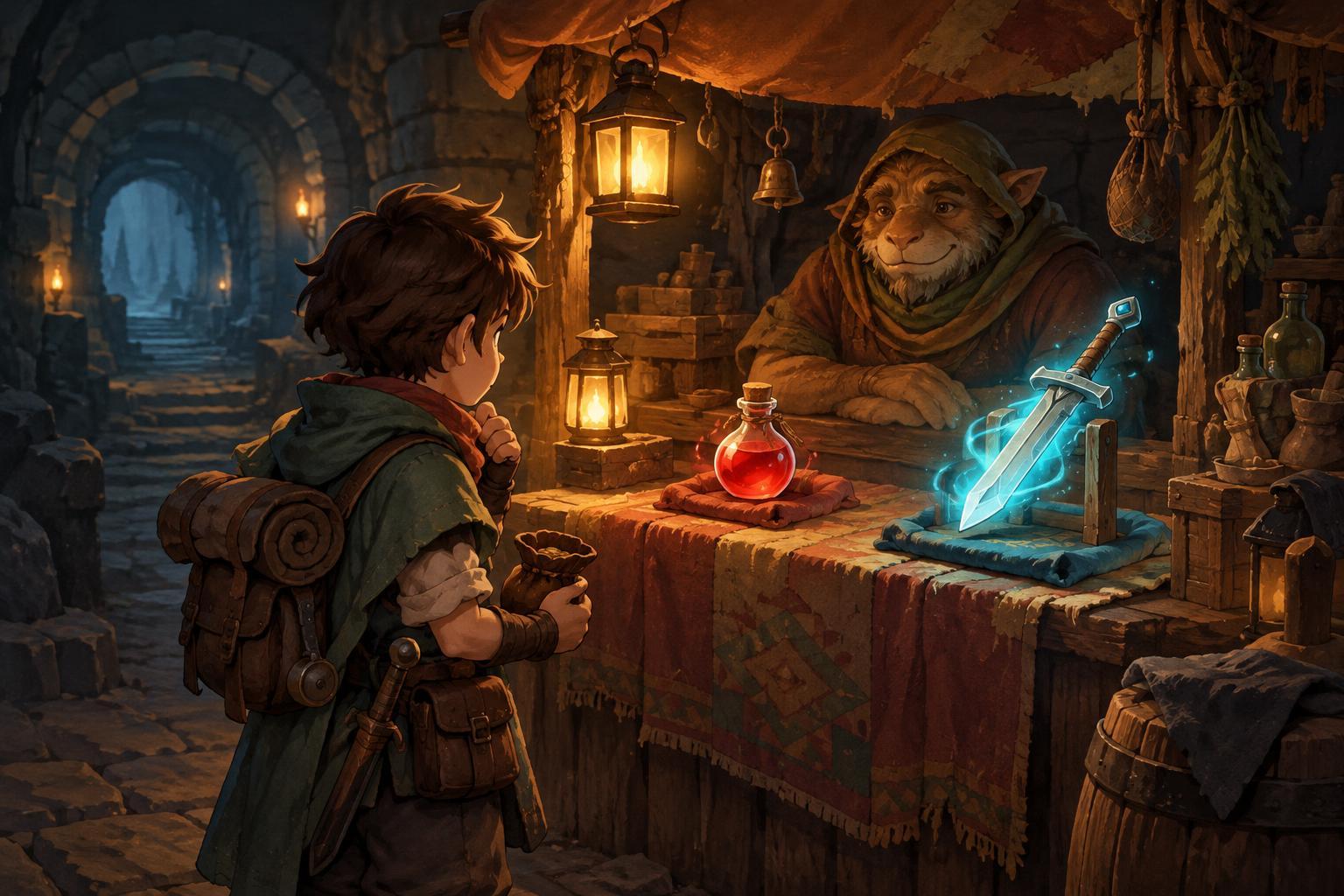
A shop purchase is a trade: you give up future choices for an advantage now. Whether that trade is worthwhile depends first on the rules of the run. Some games let you carry unspent currency into later runs; others erase it when a run ends. Some offer a benefit for holding currency, while others reward spending before a difficult encounter. Check those rules before adopting a habit of always buying or always saving.
It also helps to know when the next shop might appear and what else currency pays for. If the same pool covers healing, upgrades and rerolls, a purchase has more than one opportunity cost. In an unfamiliar game, try to keep enough flexibility to respond to what the next stage reveals. This is general, unofficial editorial guidance for the genre, not a recommendation for any particular game’s shop.
Spend when a purchase solves a problem you have now
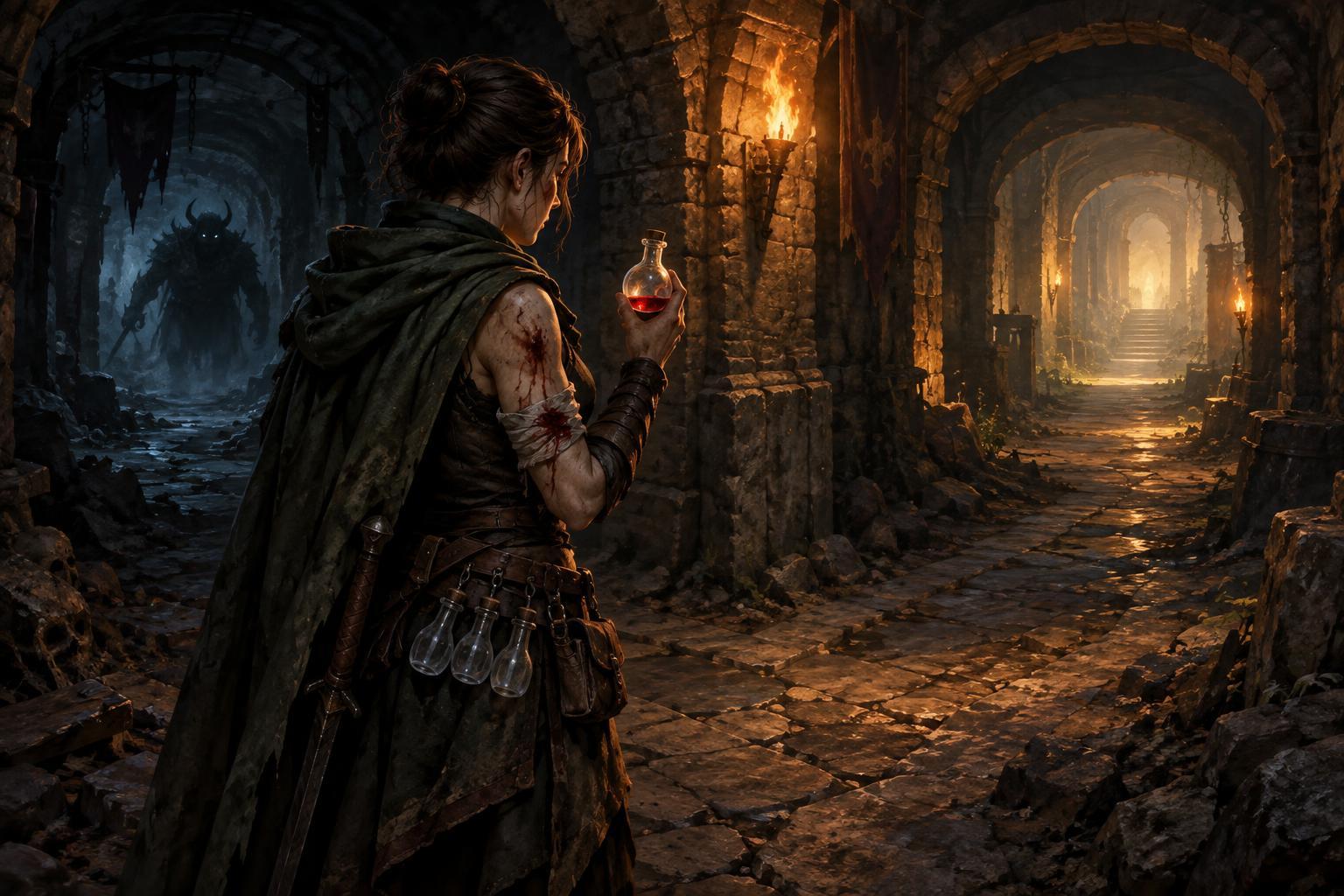
Immediate survival often matters more than an ideal late-run build. If you are losing health faster than you can recover it, an affordable defensive item or reliable damage increase may be worth more than a rare upgrade you hope to find later. A run that ends before the next shop cannot benefit from saved run-only currency.
Look for purchases that change an outcome, not just a number. An upgrade might let you defeat common enemies before they surround you, reach a safer position, or withstand one more hit during a boss pattern. That kind of threshold can be valuable even if its description looks modest. Conversely, a small boost to a strength you already have may do little to address the reason your run is in trouble.
Be careful with panic spending. A shop item should fit the challenge ahead and the way your build works. Buying several unrelated upgrades because you feel behind can leave you with less currency and no clear improvement. Identify your most urgent weakness, then ask which available purchase addresses it directly.
Save when flexibility is worth more than a weak upgrade
Saving is strongest when your current build can handle the next segment and the shop offers only marginal improvements. Currency held back may let you buy a more consequential item later, pay for recovery if a fight goes badly, or complete a useful combination once its missing piece appears. You are not wasting currency by declining a purchase that does not help your plan.
The value of saving changes with distance to the end of the run. Early on, you may have time to benefit from an upgrade across many encounters, so buying a dependable improvement can be sensible. Near the final challenge, there may be little reason to hoard run-only currency unless a later shop is guaranteed or saving itself provides a benefit. Persistent currency is different: keeping it may support progress outside the run, so compare that long-term use with the immediate chance of success.
Avoid saving for a perfect item that may never appear. If shop inventories are unpredictable, treat a hoped-for purchase as a possibility rather than a plan. A solid upgrade available now can be better than holding everything for an uncertain combination, especially when your build is already close to falling apart.
Judge items by your build, not in isolation
The same item can be excellent in one run and disappointing in another. An attack-speed upgrade, for example, may matter greatly to a build that triggers effects on each hit but less to one limited by positioning or slow enemy spawns. An area upgrade may help when you need crowd control, while single-target damage may matter more if ordinary enemies are manageable but tougher ones take too long.
Before buying, ask three questions: What problem does this item solve? How often will its effect matter before the run ends? What purchase might this currency prevent? These questions keep you focused on practical value rather than rarity labels or excitement. If the game allows refunds or selling, include those rules in your decision, but do not assume you can undo a purchase later.
Use a simple shop routine
Pause at each shop and take stock of your health, damage, mobility and available currency. Consider the next known challenge, then sort purchases into three groups: necessary to stay competitive, useful but optional, and unlikely to affect the run. Buy from the first group if you can. Consider the second only after accounting for healing, rerolls or future shops. Leave the third behind.
Rerolls deserve their own limit. Refreshing a poor selection can be worthwhile when you need a specific type of help, but repeated rerolls can consume the budget for the item you are seeking. Decide what you would be happy to buy and how much you can afford to spend looking before you start.
After the run, review one or two shop decisions rather than judging only the final result. Did a purchase solve the problem you identified? Did saved currency ever find a better use? That small review helps you adjust to each game’s economy without turning every shop visit into a lengthy calculation.