Two clocks, two kinds of success
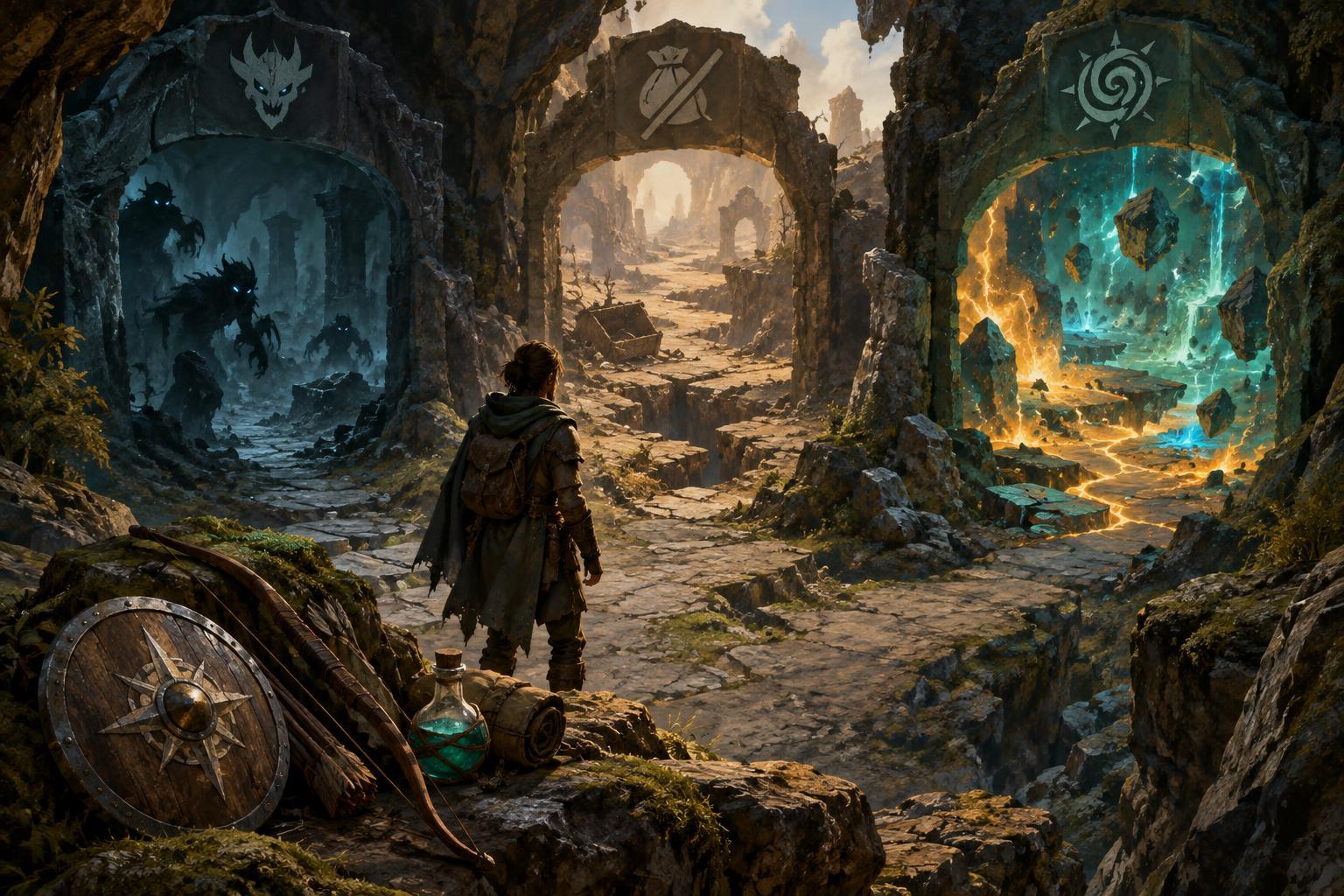
Survival games often ask a simple question: how long can you stay alive? The answer means something different when a run has a fixed endpoint. In a timed mode, success usually means reaching the finish under the mode’s stated conditions. An endless mode has no comparable finish; the run continues until defeat, a voluntary stop or a mode-specific limit. Both can be satisfying, but they give you different reasons to take risks.
Treat the rules shown in the game you are playing as the authority. Some timed modes include a final wave or objective, while others simply end when the clock runs out. Endless modes may change difficulty over time, or they may keep a steadier pace. Before choosing a build, check what actually ends the run and what the game records. That small step prevents you from optimizing for a goal the mode does not reward.
Choose timed runs for a clear finish line
A timed run is a useful choice when you want a session with a predictable shape. It gives you a concrete target and makes attempts easier to compare: did you finish, and where did the build struggle? That clarity is particularly helpful while learning a new character, map or control scheme. You can change one part of your approach on the next attempt and see whether it helps you reach the same checkpoint more comfortably.
Build planning in a timed mode starts with the deadline. An upgrade that becomes powerful only after a long setup may offer little value if it arrives near the end. Early crowd control, reliable damage and enough mobility to collect resources can create room for later choices. Near the finish, ask whether more growth will matter before the timer expires. If not, a defensive or immediately useful upgrade may be the better pick.
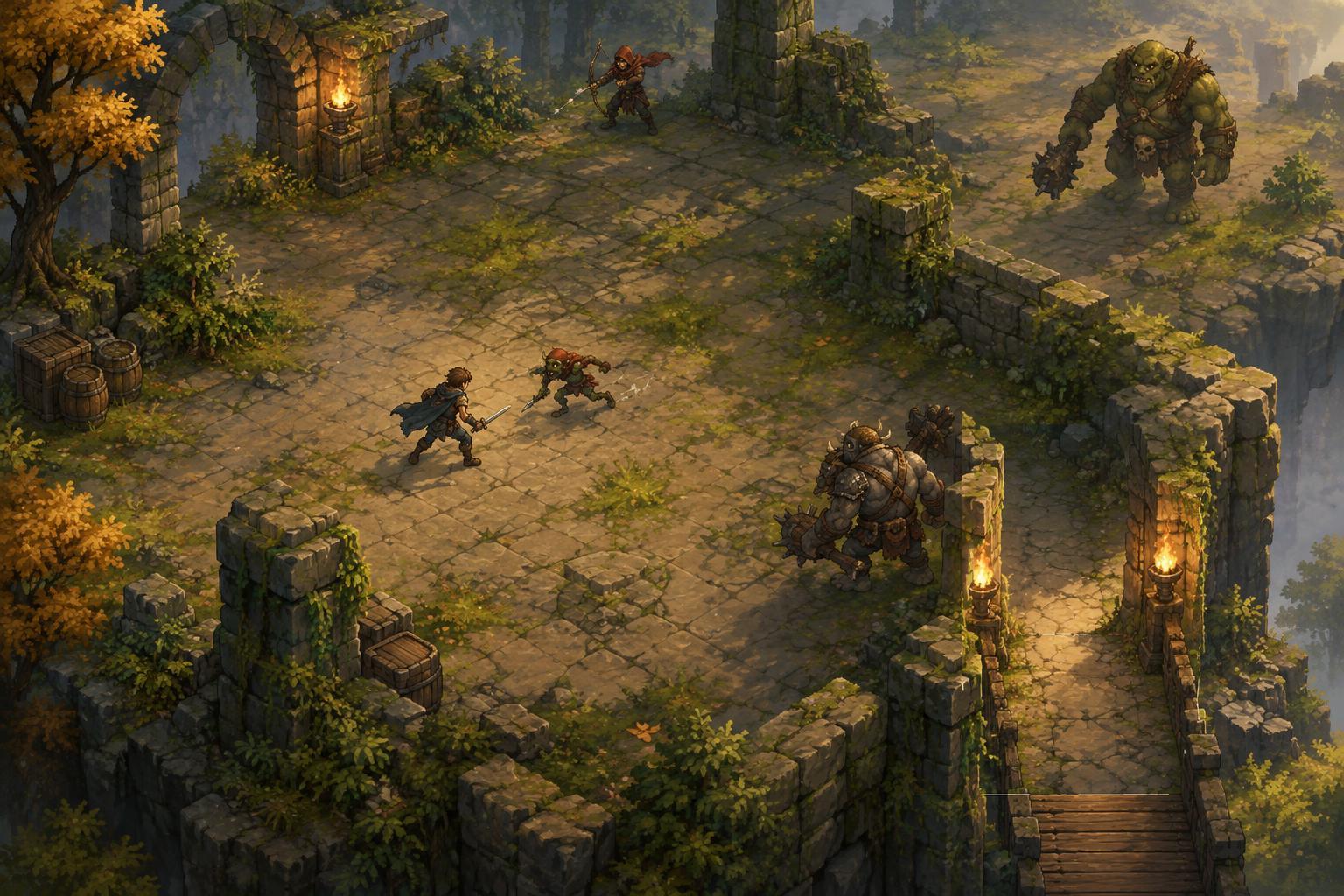
Timed does not necessarily mean easy. A short, intense run can punish a weak opening more sharply than a long one. If you repeatedly fail at the same point, identify the immediate cause rather than changing the entire build. Are enemies reaching you because damage is too low, because attacks miss, or because you have too little space to move? Each problem suggests a different adjustment.
Choose endless runs to test endurance
Endless play is well suited to experimentation after a build has found its footing. With no fixed finishing time, you can observe how abilities interact once several upgrades are active. You can also set a personal objective: survive past a previous milestone, try an unfamiliar combination, or practice moving through dense enemy groups. A self-chosen goal gives the run purpose without requiring you to continue until every mistake becomes costly.
The longer horizon changes what counts as a strong choice. Scaling effects, resource collection and dependable defense may deserve more attention because their value can accumulate. Yet planning only for an imagined late game is a trap if the build cannot survive the early one. Give yourself a workable opening first, then add tools that remain useful as pressure grows. If upgrades are randomized, think in roles rather than insisting on one exact set of items.
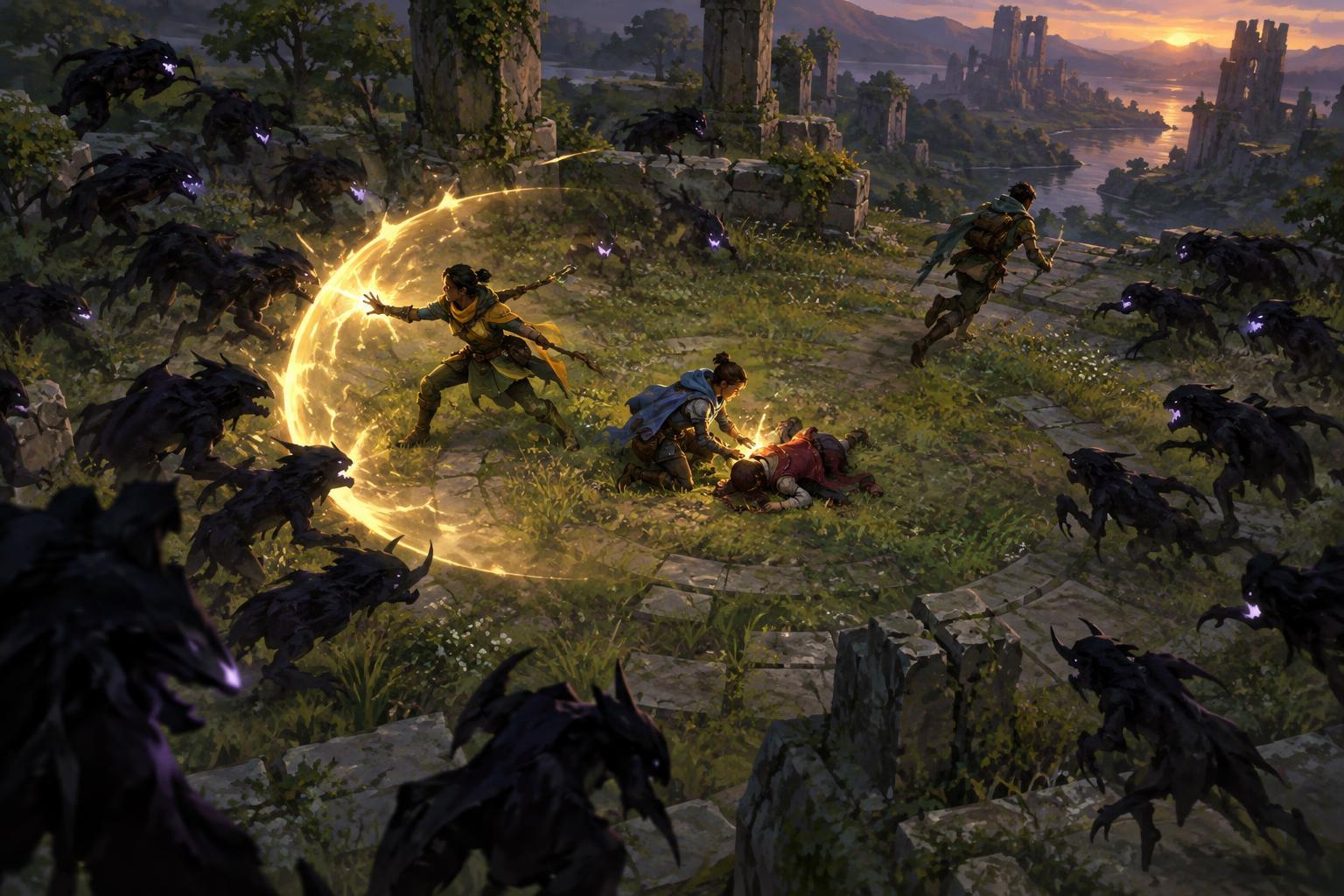
Endless runs can also reveal a build’s limits. When you lose, note whether the problem appeared gradually or all at once. Gradual losses may point to insufficient damage or control as enemies become harder to manage. A sudden loss may reflect a positioning error, a hazardous new pattern or a defensive gap. Neither result makes the run a failure if it answered the question you brought into it.
Match the mode to your time and attention
Your real-world constraints are part of the choice. Pick timed play when you want a defined stopping point or a compact practice session. Pick endless play when you have room for a longer experiment and do not mind deciding for yourself when to stop. If pausing or saving is limited, check that before starting an endurance attempt. The most rewarding goal is one you can pursue without feeling obliged to keep playing after your attention has faded.
You can also switch modes as your needs change. Use timed attempts to learn safe movement and build a reliable early game. Move to endless when you want to see how those habits hold up over a longer stretch. Then return to timed play with a specific improvement in mind. The modes are not competing rankings of skill; they are different ways to ask what your choices accomplish.
Set a goal you can evaluate
Before starting, state your goal in one sentence. For a timed run, that might be “reach the endpoint while keeping one defensive option available.” For endless play, it might be “test whether this build can keep space open after its main upgrades are active.” These goals are more useful than simply demanding a perfect run because they tell you what to watch for.
Afterward, record one observation and one change to try next time. Keep them specific: “I collected experience too late” is more actionable than “the build was bad.” A fixed timer helps you judge progress against a finish line; endless play helps you explore what happens beyond it. Choose the mode that best serves the question you want your next run to answer.