Two different ways to frame a session
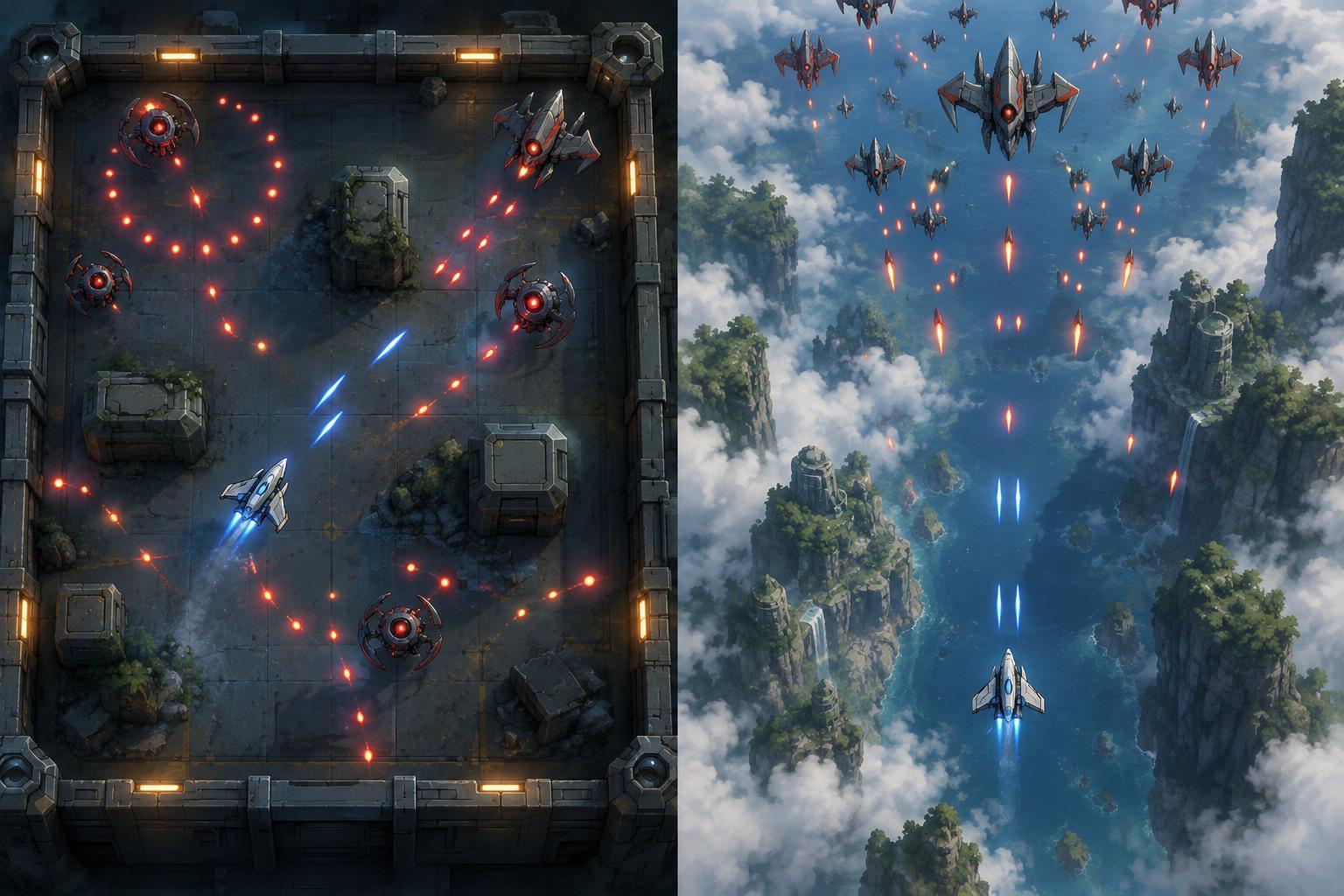
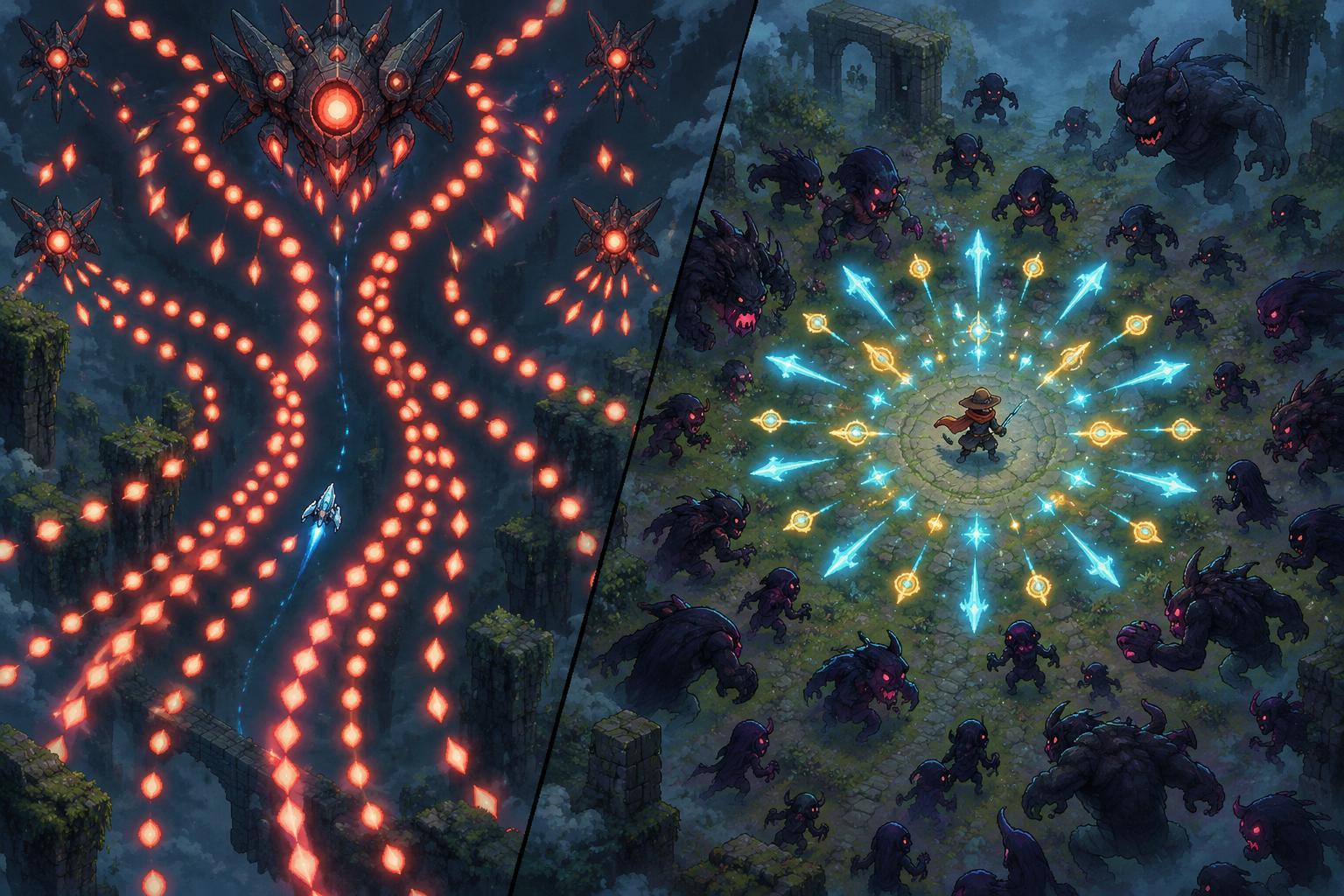
In a run-based game, a session usually centers on one attempt: enter a stage or sequence of encounters, make choices with what you find, and reach an ending through victory, defeat or a decision to stop. Roguelites and arcade-style survival games often use this structure. A campaign game more often places your session within a longer journey, such as completing quests, advancing a story or improving a persistent character.
These are useful descriptions, not strict categories. Some run-based games have stories and permanent upgrades. Some campaign games include repeatable missions that feel like individual runs. The clearest question is what the game asks you to accomplish before you put down the controller: finish an attempt, or move an ongoing journey forward?
Goals and stopping points
A run gives you a relatively clear short-term goal. You might survive an encounter, reach a final area or test whether a particular build works. Because the attempt has a boundary, its end can be a natural stopping point. Checkpoint length still matters, though. A run that takes longer than your available time may be awkward to leave halfway through, especially if the game does not let you save mid-run.
Campaign sessions can be more flexible or less predictable, depending on the game. A quest, chapter, checkpoint or safe area may offer a convenient place to stop. On the other hand, one objective can lead straight into another, making it harder to feel finished. Before starting, it can help to set your own goal: complete one mission, explore one area or reach the next save point. Check the game’s save behavior rather than assuming you can quit anywhere.
What carries over when you return?
Many run-based games reset some of your power between attempts. The weapons, items or upgrades you collect during one run may disappear when it ends. What carries over varies: perhaps an unlocked character, a new option for future runs or simply your growing understanding of enemy patterns. That reset is part of the appeal for players who enjoy adapting to different choices each time.
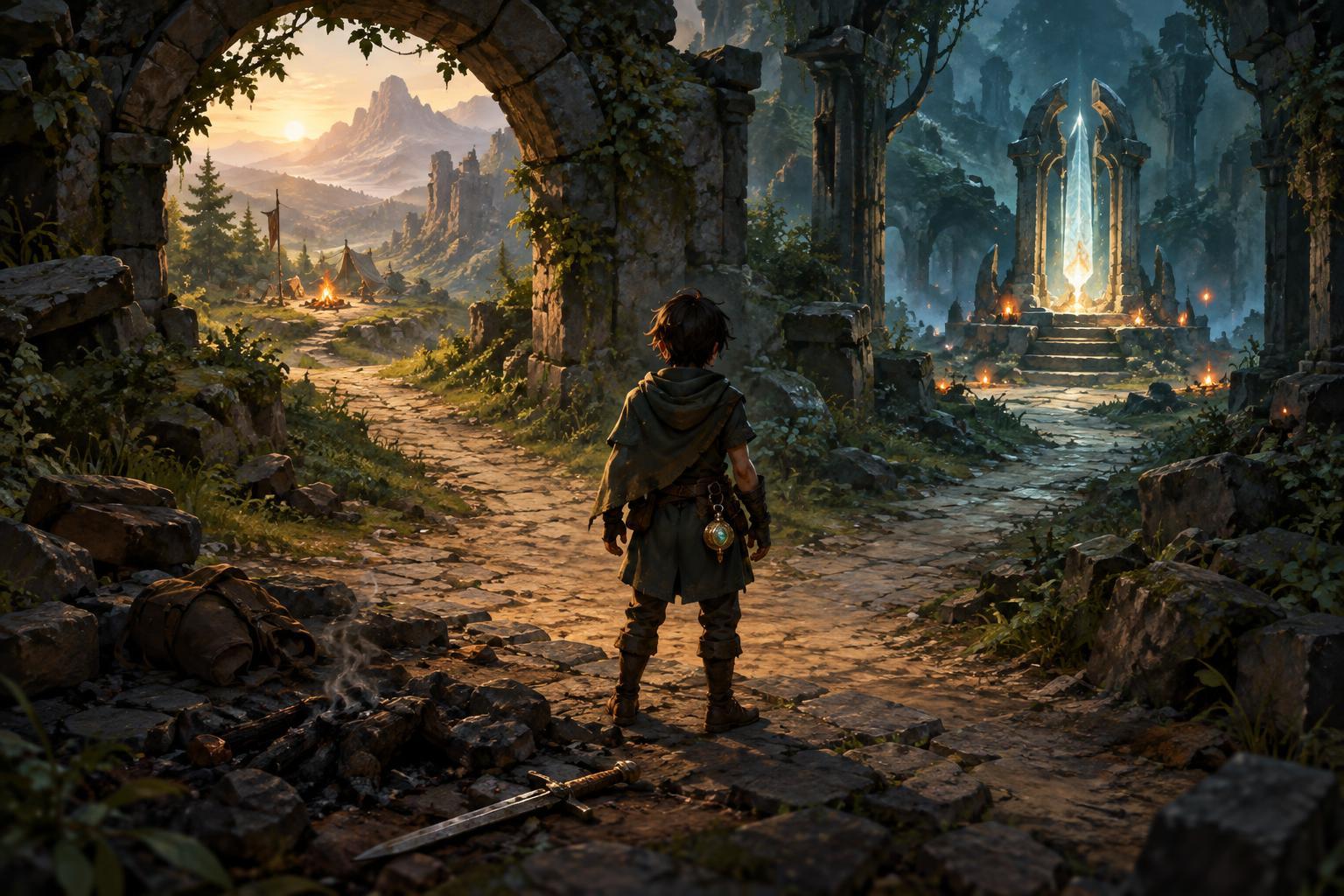
Campaign games tend to emphasize continuity. Your character, inventory, completed objectives or story position often remain available when you return. This can make a short session feel productive even if you only complete a small task. It can also mean spending the first few minutes remembering where you were going and why.
Neither approach guarantees a particular pace of progress. A run-based game might unlock options quickly, while a campaign might ask for patience between major milestones. If persistent rewards matter to you, look at what the game actually saves: permanent upgrades, completed objectives, discovered content or only your best result.
How failure changes the next session
Failure in a run-based game is often expected. An unsuccessful attempt can still teach you when to move, which upgrades work together or which risks are worth taking. Since a new run starts from a familiar baseline, you can apply one lesson immediately. If repeating early encounters feels tiring, though, that same structure may become frustrating.
Campaign games handle setbacks in many ways. You might retry a fight from a checkpoint, spend resources recovering or choose a different route. The immediate cost of failure depends on save points and game rules, not simply on whether the game has a campaign. In either format, it helps to separate a failed objective from a wasted session. Learning a layout, testing a tactic or discovering that a build does not suit you can guide the next attempt.
Choosing a game for the time you have
If you want a self-contained challenge and enjoy making fresh decisions, a run-based game may fit. Give yourself enough time for an attempt, and treat its outcome as an experiment rather than a required win. If you prefer returning to a familiar character and steadily advancing a larger goal, a campaign may be more satisfying. A small, specific objective can keep a campaign session manageable.
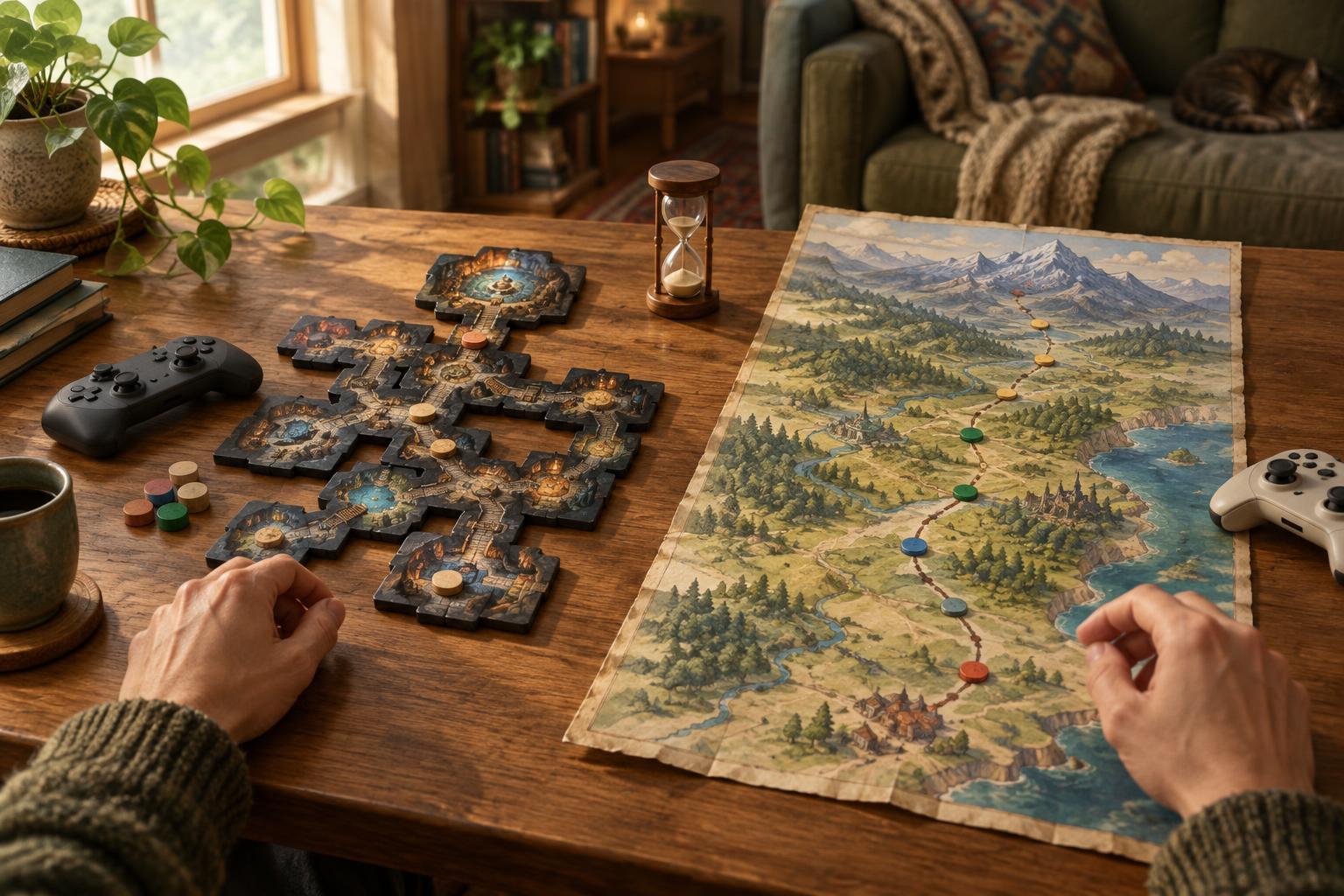
You can also alternate between the two. A run may suit a night when you want to focus on moment-to-moment play; a campaign may suit a night when you want to follow a longer thread. Pay attention to your own stopping habits, the game’s save options and how much repetition you enjoy. Those details tell you more about the likely shape of a session than a genre label alone.