Why the labels overlap
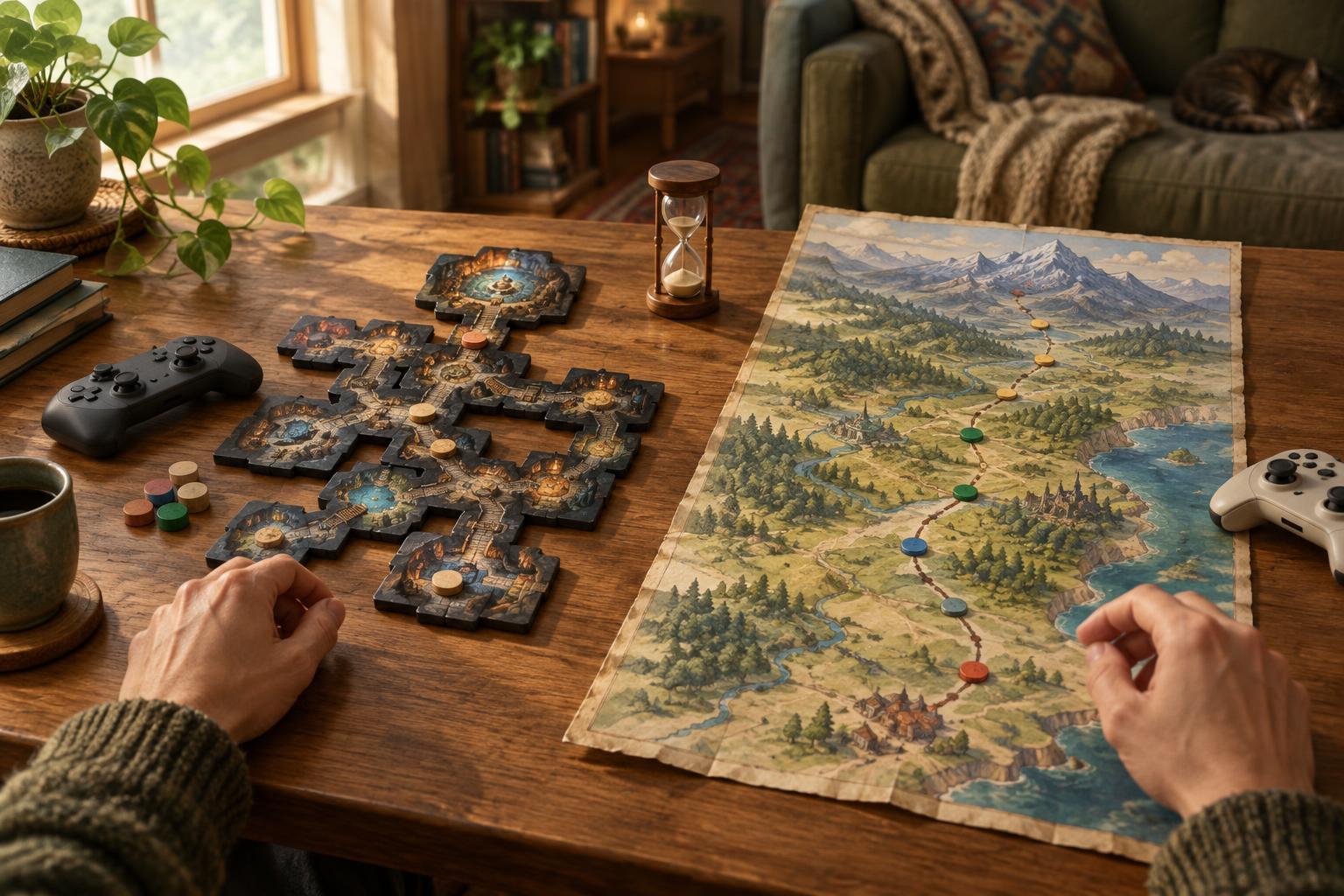
A character enters a dangerous area, gathers resources, grows stronger and eventually loses or completes a run. That outline could describe a roguelike, a roguelite or an arcade survival game. The labels are useful starting points, not strict rules: developers and players may use them differently, and a single game can draw from all three traditions.
To make sense of a game, look past its store tags. Ask what changes between attempts, what happens when you fail, how much control you have during a fight and whether the main challenge is reaching an ending or lasting as long as possible. Those questions tell you more about the experience than any one genre name.
Roguelikes: learn the rules, then try again
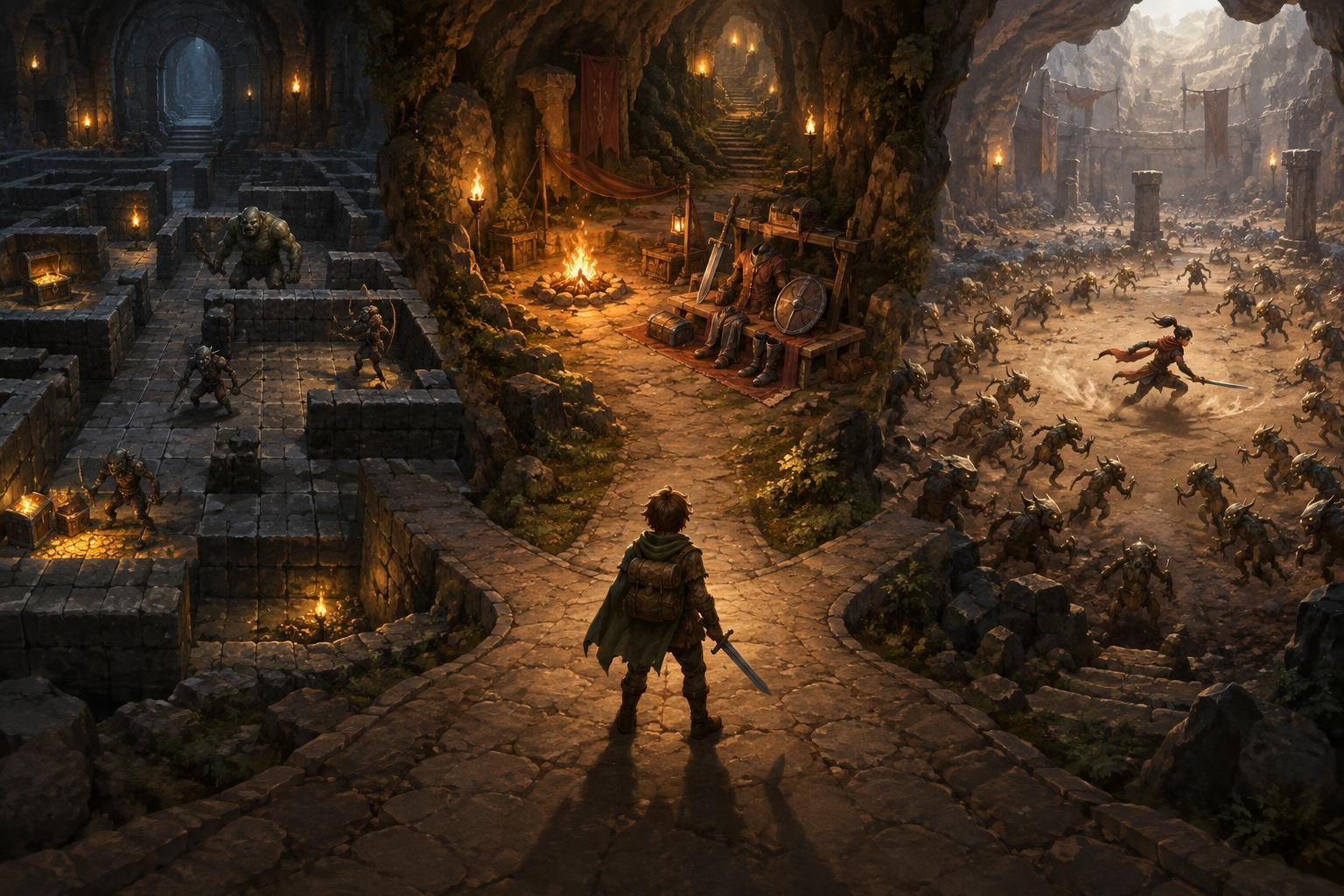
A traditional roguelike usually emphasizes distinct runs, generated layouts or encounters, consequential decisions and a major reset after defeat. Many also use turn-based movement: the world waits while you consider your next action. That pause makes positioning, resource management and knowledge of enemy behavior central to play. Not every game called a roguelike follows all of these conventions.
Progress in this style often lives with the player rather than the character. You may lose the items you found, but you remember which enemy to avoid, when to use a limited tool and how to leave yourself an escape route. If a first attempt ends quickly, treat it as a chance to learn one rule. On the next attempt, try applying that rule before worrying about a win.
Roguelites: runs with lasting progress
Roguelites also organize play around repeatable attempts, varied choices and failure that sends you back to a starting point. The term commonly signals that something carries over: unlockable characters, new equipment options, permanent upgrades or access to another area. Exactly what persists varies by game. An unlock may expand your choices without making you stronger, while an upgrade may directly improve later runs.
That distinction helps set expectations. If you enjoy improving through both practice and gradual unlocks, a roguelite may feel welcoming. If you would rather every attempt start on nearly equal footing, check how its progression works before committing. Either way, avoid assuming an early loss means you chose the wrong build. You may still be learning what a weapon does or which threats deserve attention first.
Arcade survival: stay alive under pressure
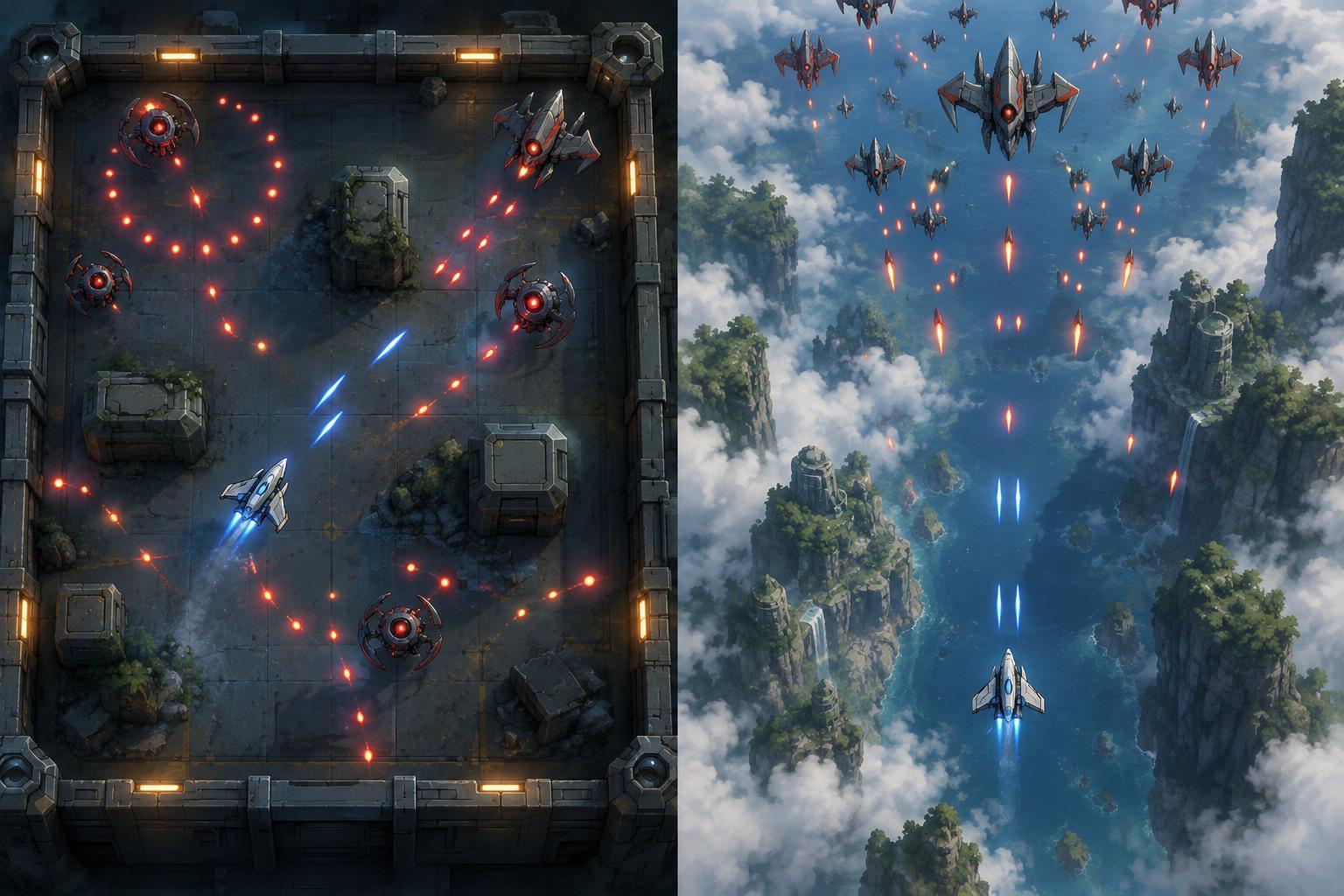
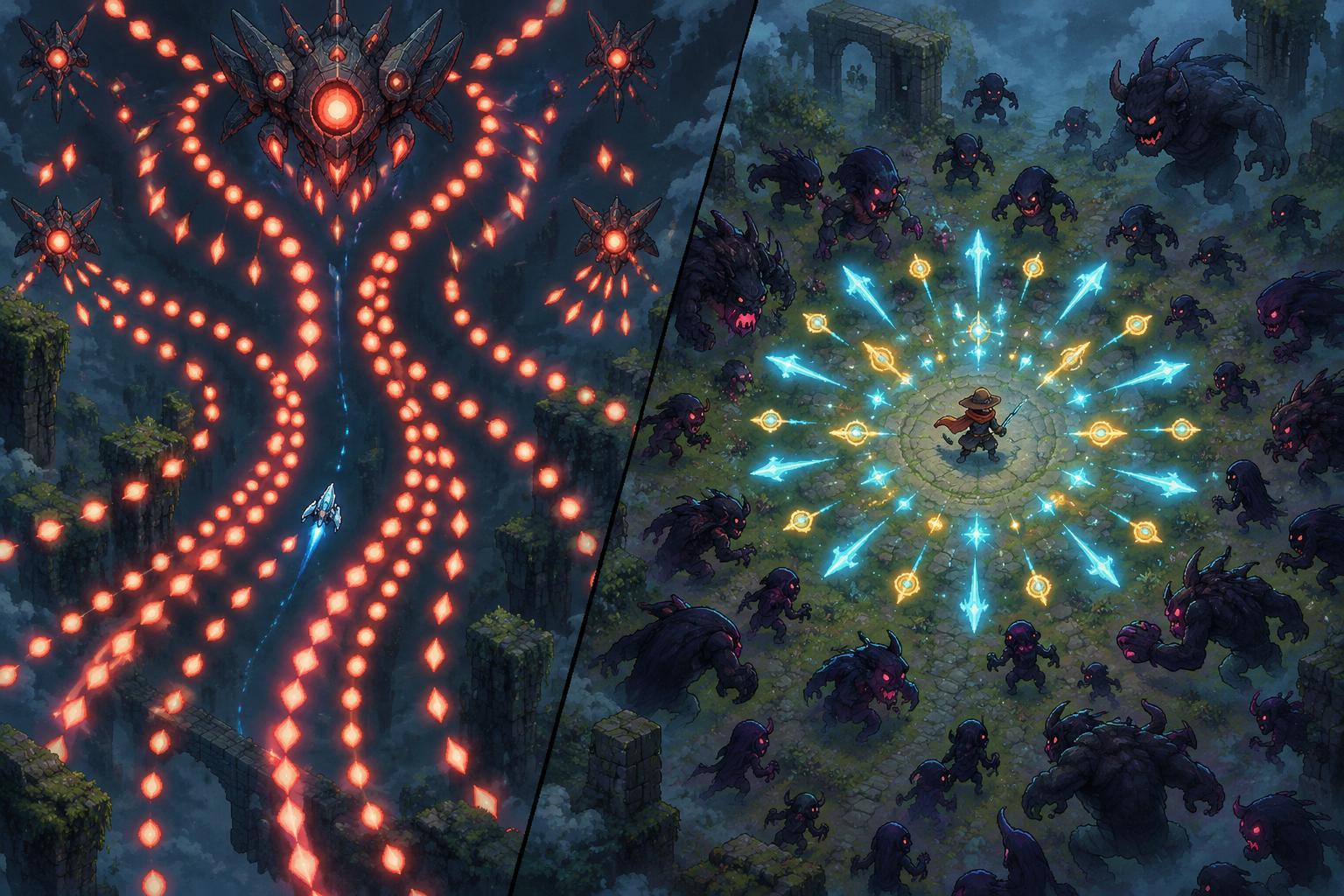
Arcade survival describes a style of moment-to-moment play more than a precise progression system. It often puts survival, movement and quick decisions at the center of short sessions. Enemies may arrive in waves or grow more demanding over time, while pickups and upgrades force choices during the action. Some games ask you to aim and attack; others handle attacks automatically so you can focus on movement and positioning.
The basic loop is easy to understand but can become demanding: create space, collect what you can safely reach and respond when the screen grows crowded. A useful beginner habit is to protect an open route rather than rushing toward every reward. An upgrade is rarely worth taking if reaching it leaves you surrounded. Arcade survival can be roguelite-like when runs unlock lasting options, or closer to a clean reset when they do not.
Choose a starting point that fits you
If you like planning without a timer pushing every decision, try a turn-based roguelike. If you want repeated runs with visible long-term goals, look for a roguelite whose unlocks sound appealing. If you prefer immediate action and learning by moving through danger, arcade survival may be the easiest entry point. These are preferences, not measures of skill.
Before starting, check the controls and available options. Adjustable difficulty, control remapping, readable effects and clear audio cues can make a game more comfortable to learn when offered. For your first few runs, pick one small goal: practice keeping an exit open, test a new item or notice what caused a loss. Once you understand the loop, the genre labels become less important than the choices you enjoy making.
This guide is independent, unofficial editorial coverage. It is not an official game manual or a source for game downloads.