Understand what changes when the fight narrows
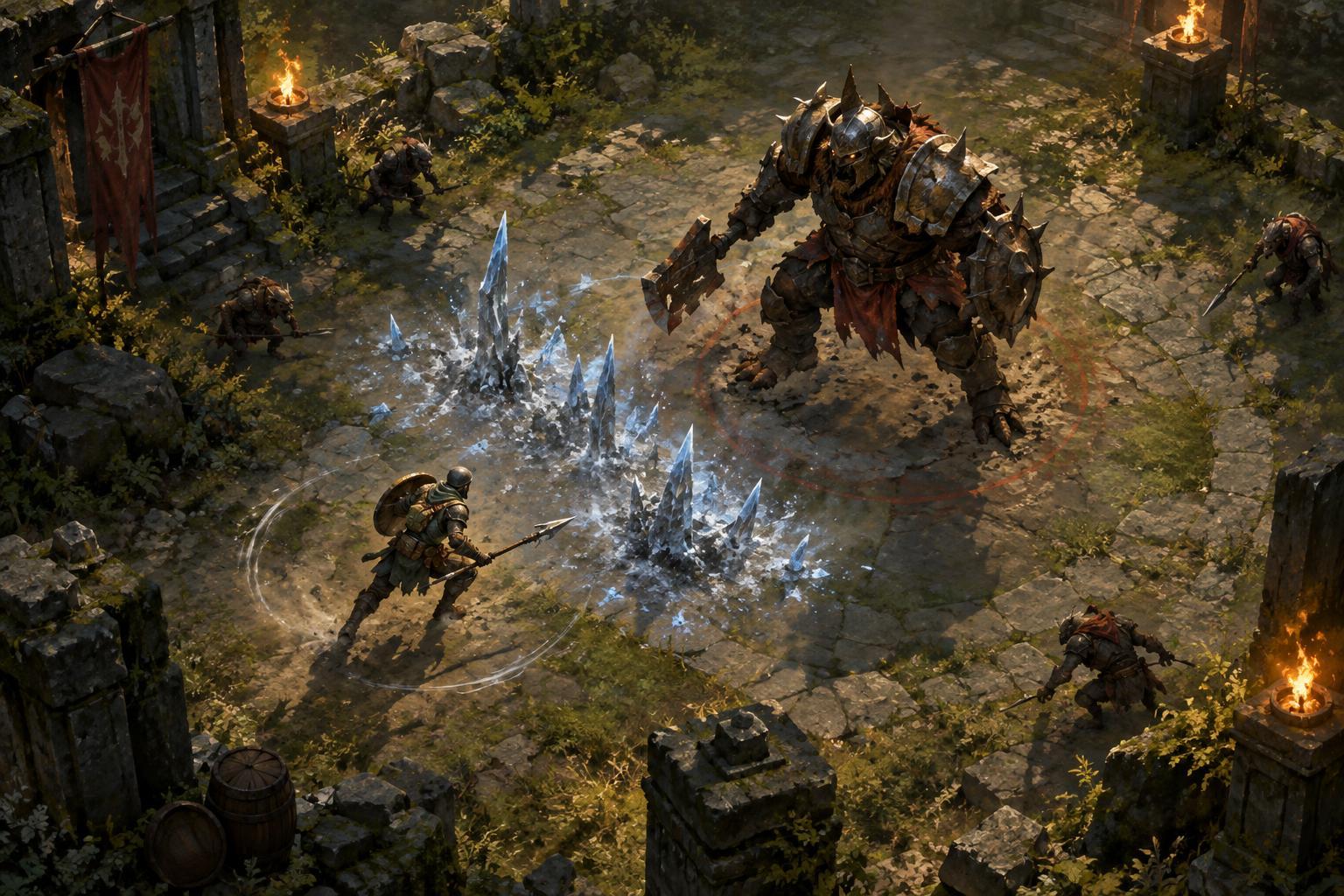
In many survival and arcade-style roguelites, ordinary waves reward weapons that hit lots of targets at once. Elites and bosses test something different: whether you can keep dealing damage to a durable target while avoiding its attacks. A build can look powerful against a crowded screen yet take a long time to finish a single enemy. That longer fight creates more chances to make a positioning mistake.
Before choosing upgrades, think about the encounter your game is likely to present. Can you keep moving while attacking? Does your damage reach a target that stays at the edge of the screen? Do your area effects overlap on one enemy, or do they spread their power across empty space? The answers vary by game, but they reveal whether your build needs more focused damage, safer delivery or both.
Keep wave clear, but add a way to finish a target
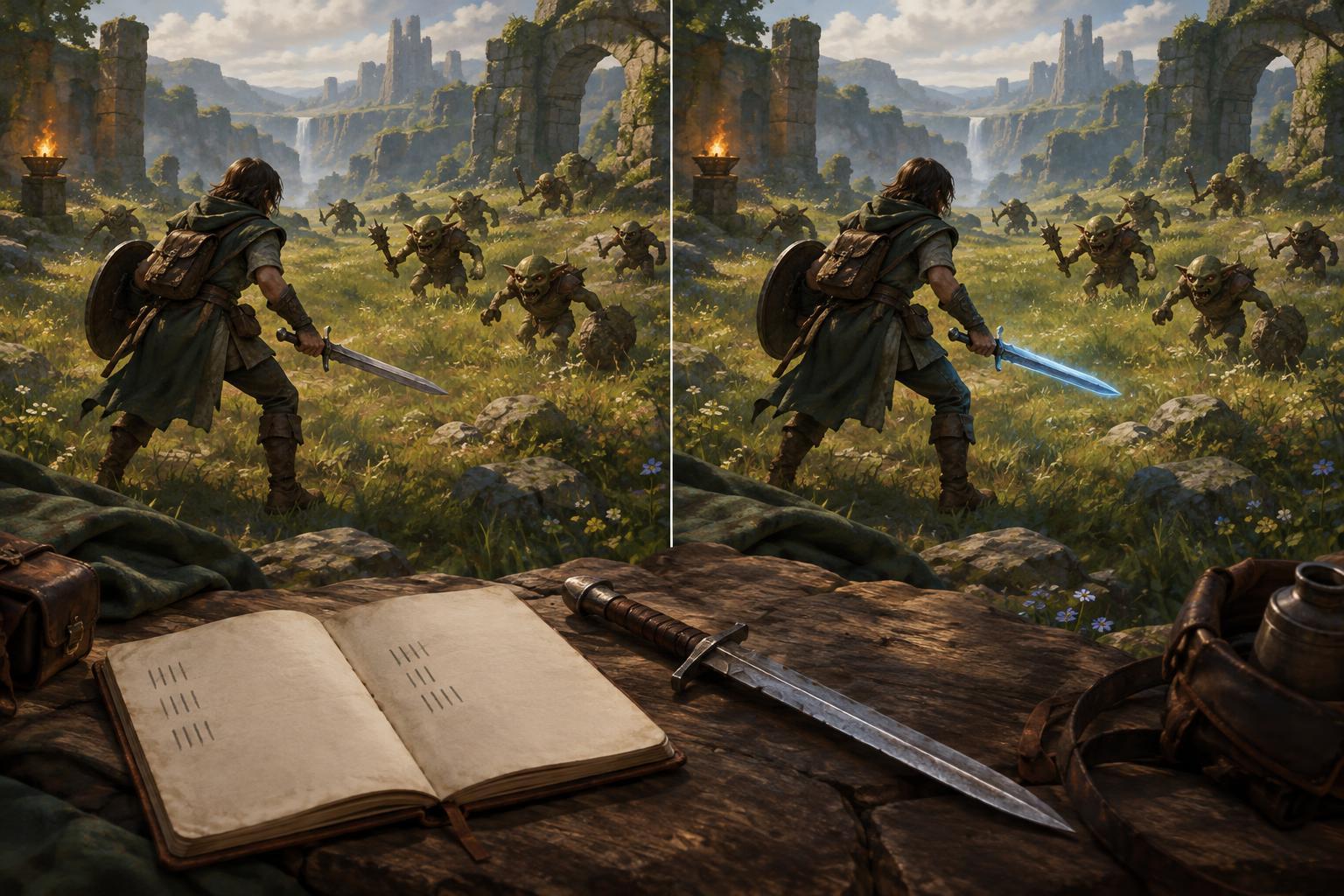
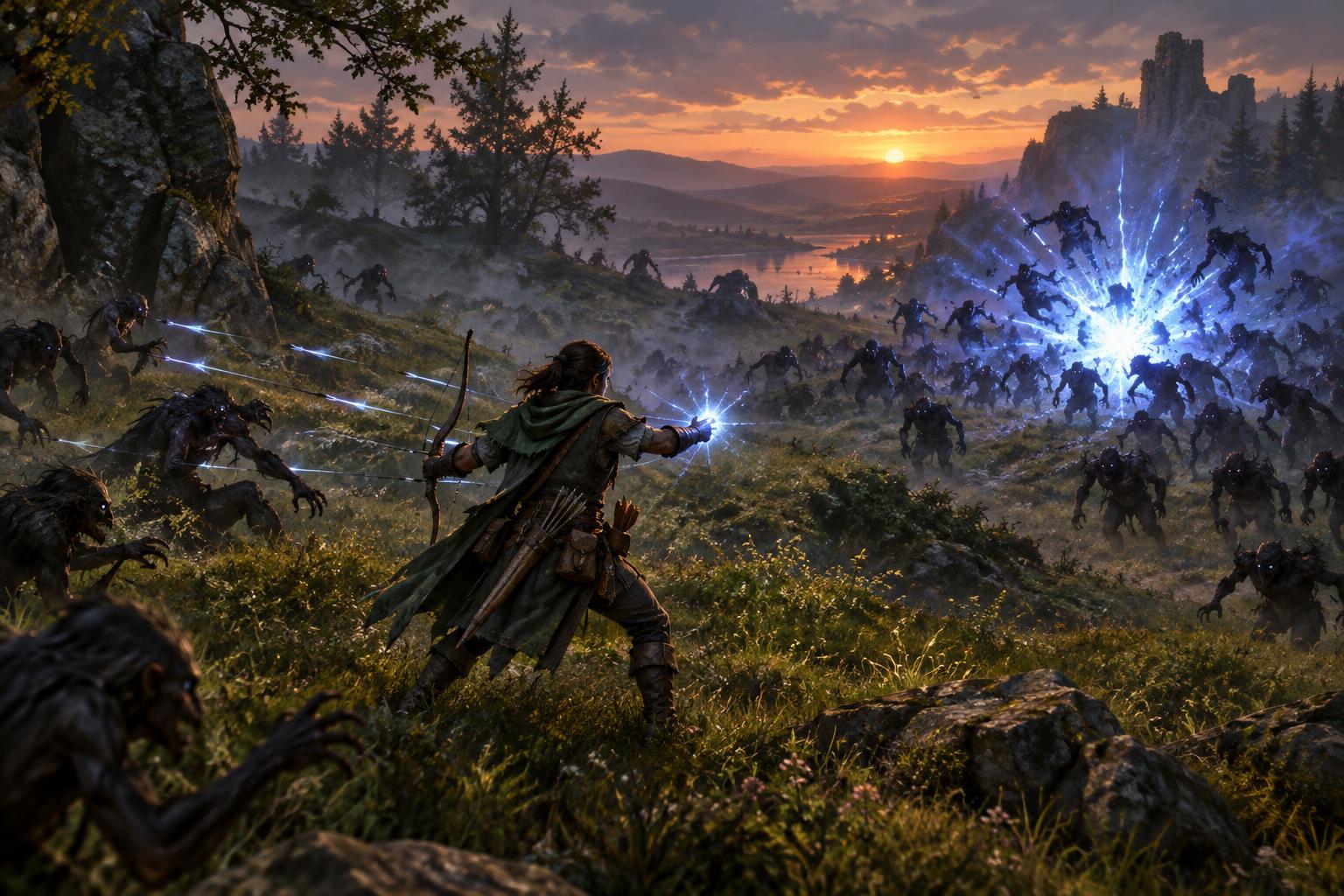
Do not abandon crowd control just because a boss is coming. Smaller enemies may remain on screen, and getting surrounded can be more dangerous than the boss itself. Instead, give your build two jobs. One weapon or effect should create space by clearing nearby threats; another should reliably pressure a tough target. Aimed projectiles, effects that repeatedly hit the same area, or attacks that concentrate on nearby enemies can serve that second role, depending on the game's rules.
Look for upgrades that improve the damage you can actually deliver, not only the damage a menu appears to promise. An attack with excellent theoretical output is less useful if it often misses while you dodge. Range, projectile speed, duration and attack frequency can all matter when they help an effect stay on target. If your best weapon already connects consistently, strengthening it may be more valuable than adding an unupgraded option that fills a similar role.
Budget for survival and movement
Boss preparation is not simply a race to maximize damage. Health, damage reduction, healing opportunities and movement tools can give you more time to learn an attack pattern and keep firing. Their value depends on what is ending your runs. If you usually lose after a single poorly timed collision, a defensive upgrade may help. If you survive comfortably but cannot end a fight before the arena becomes crowded, prioritize damage or crowd control.
Movement deserves particular attention because it supports both offense and defense. Being able to step out of an attack while keeping a target within reach can preserve more damage than a small offensive increase. Avoid treating speed as an automatic answer, though: moving too quickly can make precise positioning harder in some control schemes. Choose a pace that lets you steer deliberately, and leave yourself a route out rather than fighting against a wall or corner.
Make upgrade choices with the next encounter in mind
When upgrade choices appear, ask which weakness is most likely to matter next. If basic enemies are reaching you, improve coverage or knockback where available. If elites linger while the rest of the screen is clear, invest in focused damage. If you frequently take hits while circling a target, consider reach, movement or defense. This simple check prevents a build from becoming strong at the task it has already solved while neglecting the one ahead.
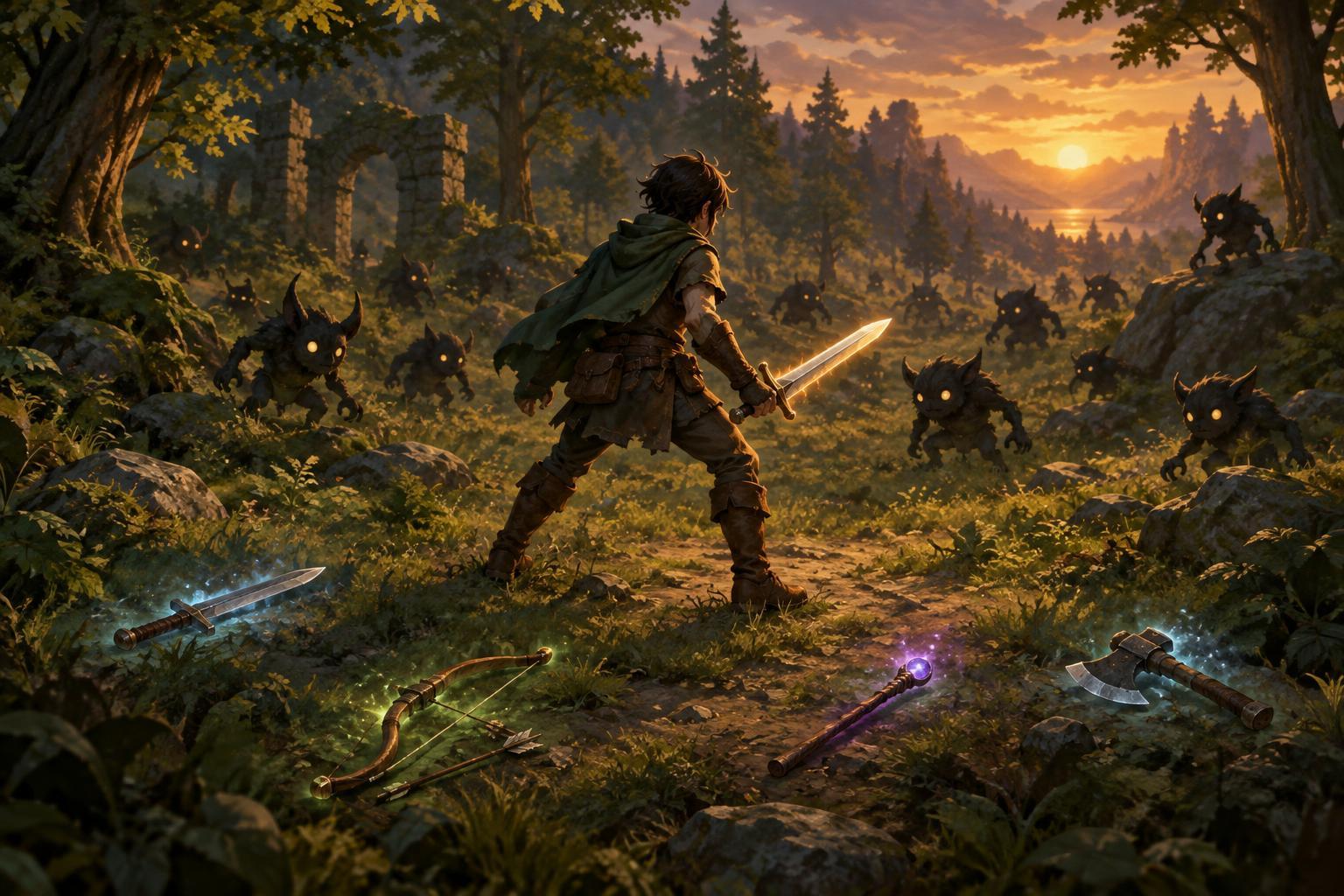
Be careful about spreading upgrades too thinly. In games where weapons become substantially stronger after several investments or through a specific combination, collecting many low-level options can delay your most useful power increase. That does not mean every run needs a rigid recipe. Early random choices may call for adaptation. Aim for a coherent set of tools whose effects support one another, then change course when the game offers a better answer to your current problem.
Use each attempt to diagnose the build
After an elite or boss encounter, identify the point where the plan broke down. Did the target survive too long? Were smaller enemies cutting off your escape route? Did your attacks miss whenever you moved to safety? Or did you have enough damage but take avoidable hits? Each outcome suggests a different adjustment for the next run. Changing one priority at a time makes it easier to see what helped.
During the fight, keep a manageable distance and watch for repeatable cues rather than trying to react to everything at once. Lead the enemy through open space when possible, and avoid collecting pickups if reaching them would trap you. A prepared build gives you options, but it does not remove the need to position well. The most dependable approach combines enough wave clear to stay mobile, enough focused damage to make progress, and enough durability to recover from a mistake.