Understand the window before you rely on it
In many survival and arcade-style games, a character gets a short period of protection after taking damage. Players often call this post-hit invulnerability or “i-frames.” It can stop an enemy crowd from draining all your health in one instant, but its duration and rules vary by game. Some games signal the window with a flashing character or a sound; others make it harder to read. This is an independent, unofficial guide to the general mechanic, not a description of any one game’s exact rules.
Treat the moment after a hit as an opportunity to act, not permission to ignore danger. Your immediate goal is to reach a position where you will still be safe when protection ends. If you do not know how long the window lasts, assume it is brief. Watch for visual or audio cues, and learn through ordinary play whether hazards, contact damage, and projectiles follow the same rules.
Move toward space, not just away from the last hit
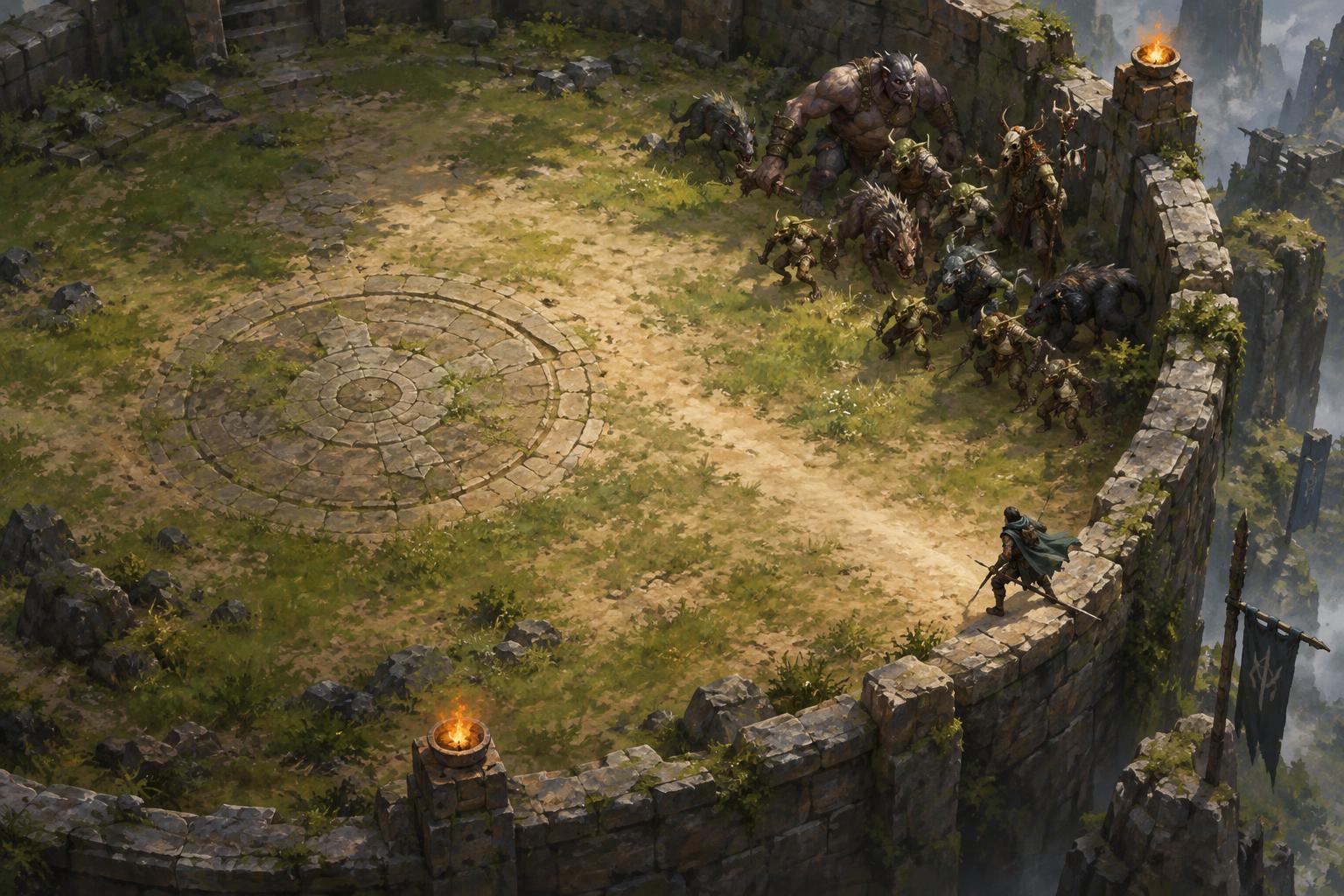
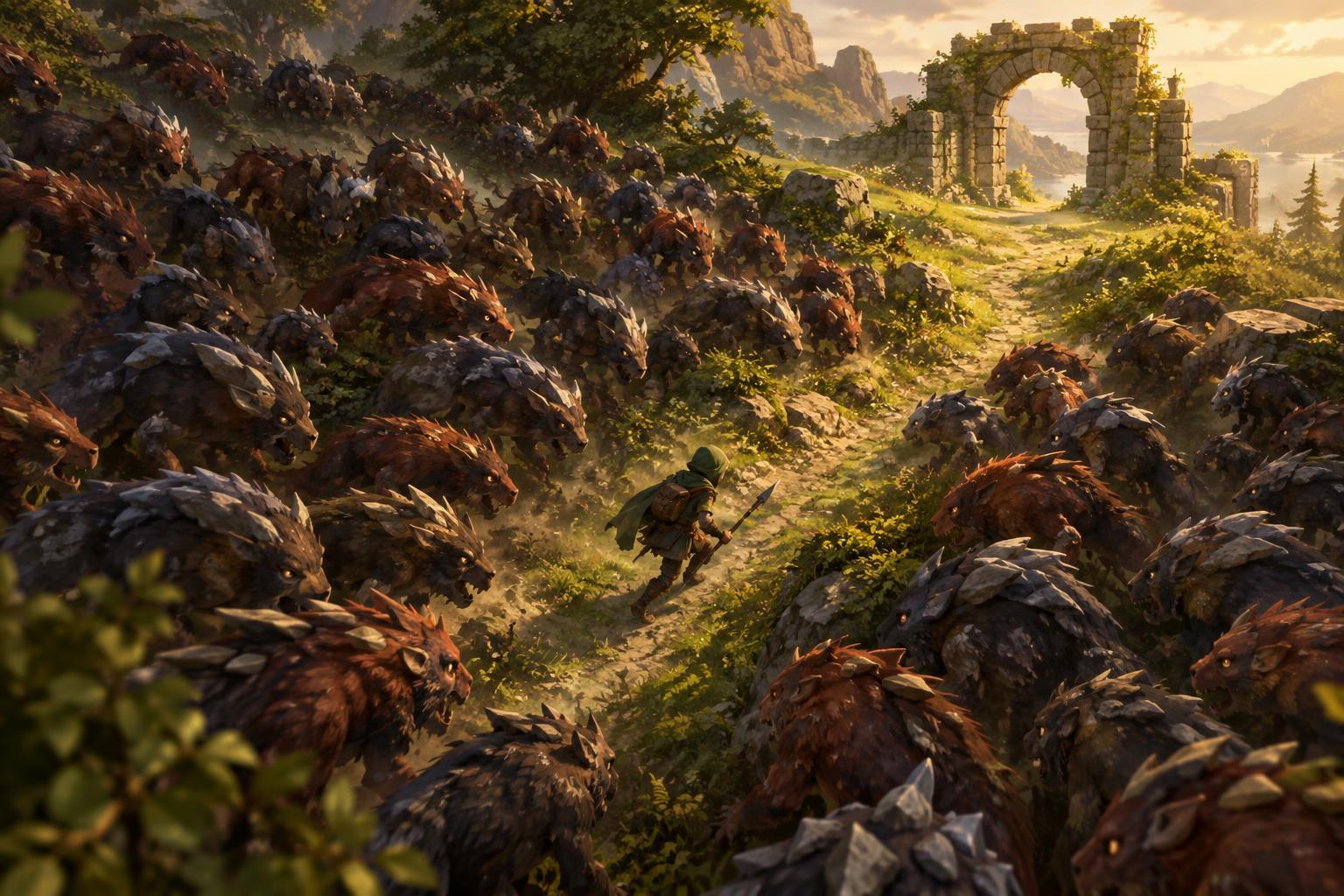
The instinctive response to damage is often to reverse direction. That may work if the path behind you is clear, but it can also send you into enemies that were following close behind. Instead, take a quick look at the available lanes. Aim for open ground where you have room to turn after the invulnerability ends. A diagonal move past the edge of a group may be safer than running straight through its center.
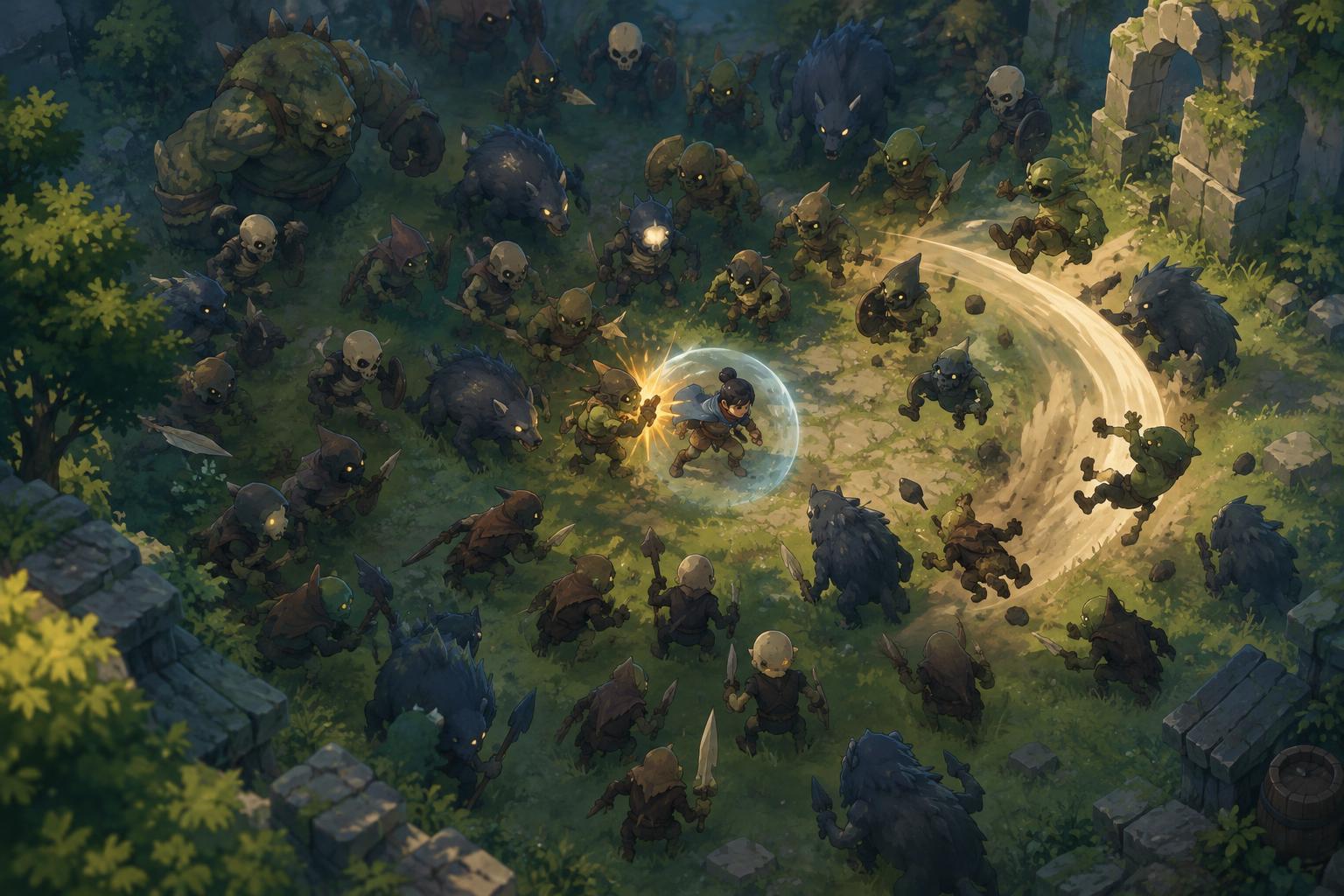
If enemies have surrounded you, the protection window may let you cross a narrow part of the crowd. Choose the shortest crossing that leads to usable space. Do not spend the whole window pushing deeper into enemies for a pickup unless you have a clear exit. The important question is not “Can I get through this pack while protected?” but “Where will I be standing when the protection wears off?”
Rebuild a safe route before chasing rewards
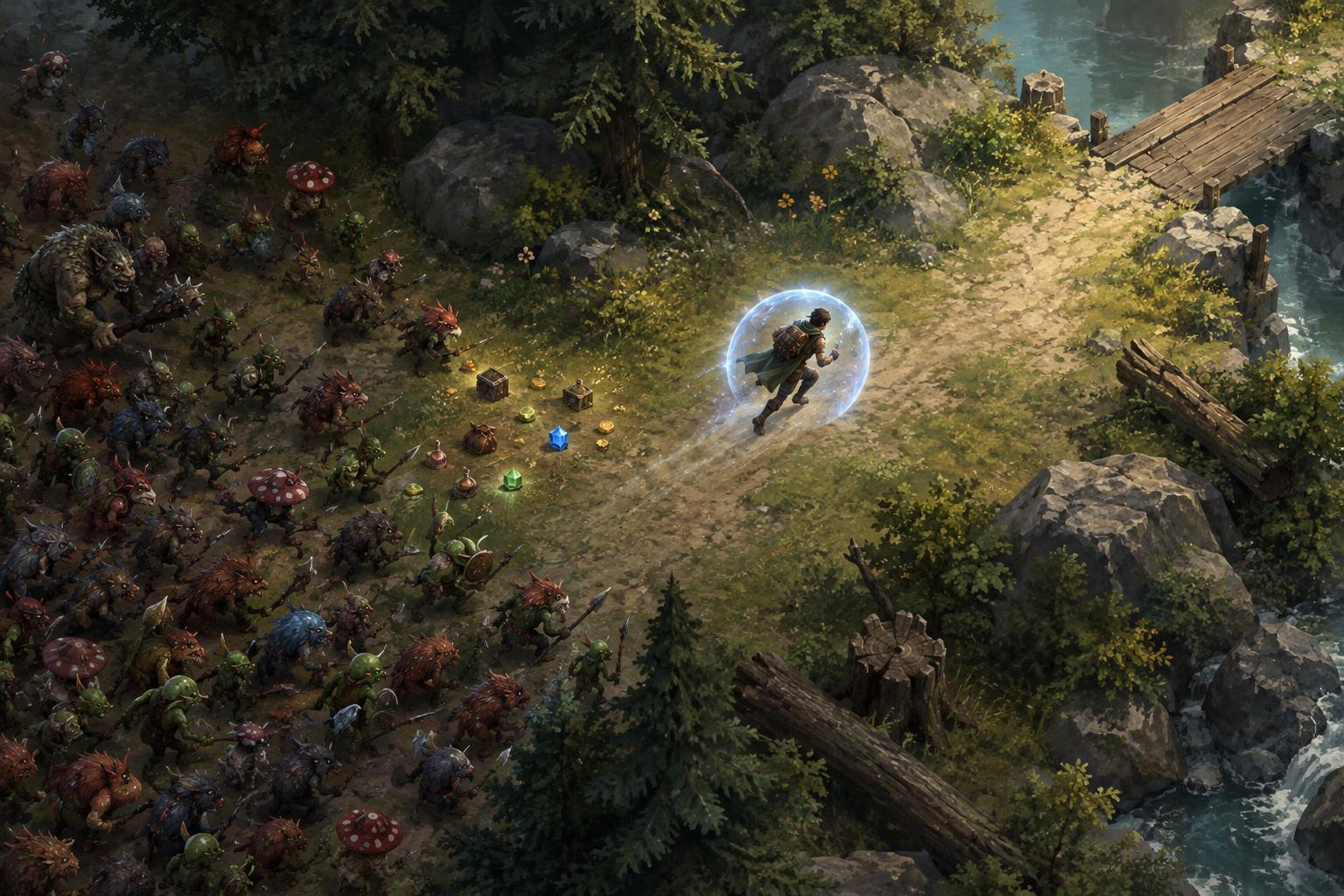
Once you break free, resist the urge to immediately recover everything you left behind. Experience pickups, supplies, and other rewards can draw you back toward the same hazard that caused the hit. Circle toward them only when you can approach from a safer angle. In games where pickups remain on the ground, taking a wider route may cost a little time but preserve far more room to maneuver.
Use the next few seconds to identify what caused the damage. Did a fast enemy enter your path, did you lose track of a projectile, or did your route narrow against an obstacle? Each cause suggests a different adjustment. Give fast enemies more clearance, scan farther ahead for projectiles, and avoid letting the arena edge become your only escape route. A hit is useful feedback if it changes the path you choose next.
Make one decision at a time
Damage can make a busy screen feel even more urgent. A simple sequence helps: find open space, move there, then reassess. Trying to dodge, collect rewards, attack a priority target, and plan a build all at once can lead to another collision. If your game has a pause feature, use it when available to inspect the situation; there is no need to make every decision at full speed.
Movement and attacks may also compete for your attention. In some games, circling enemies keeps your weapons effective while maintaining distance. In others, a direct escape is the better choice. After a hit, favor the movement that improves your position, even if it briefly reduces damage dealt. Surviving the next moment gives you another chance to attack.
Practice the recovery, not the damage
You do not need to take hits deliberately to improve. When a hit happens, notice your first movement and the space available when protection ends. If you repeatedly escape into another crowd, try picking an exit lane before you reach a tight area. If you repeatedly stop moving because the character appears protected, practice continuing toward clear ground until you are confident the danger has passed.
Build choices can make recovery easier, but they do not replace positioning. Movement options, crowd-clearing attacks, or defenses may provide more room for error, depending on the game. Their value is highest when you use the post-hit window to regain control rather than remain in contact with enemies. The best recovery turns a brief reprieve into a safer route for the rest of the encounter.