Agree on a simple plan before the screen gets crowded
In a solo survival run, you can change direction without warning. In co-op, a sudden turn may pull a teammate into an enemy pack or leave them outside the space your attacks protect. The goal is not to move in perfect formation. It is to make your next move easy for another player to predict. This independent editorial guide covers habits that can help across co-op survival games; exact movement, revive, and progression rules vary by game.
Before the run, settle three small questions: who calls major turns, how far apart players should normally stay, and what triggers a regroup. A call can be as short as “clockwise,” “hold here,” or “cross left.” If voice chat is unavailable, use a consistent visual rule, such as following the player nearest the edge of the enemy wave. Keep the plan simple enough to remember while dodging.
Move together without bunching up
Staying together gives teammates a better chance to cover one another, but standing on the same spot can hide hazards and make both players dodge in the same bad direction. Try a loose formation in which everyone can see a route out. When enemies approach from several sides, travel along an open lane rather than cutting through the densest part of the crowd. A wide turn often gives the last player time to follow; a sharp reversal can trap them.
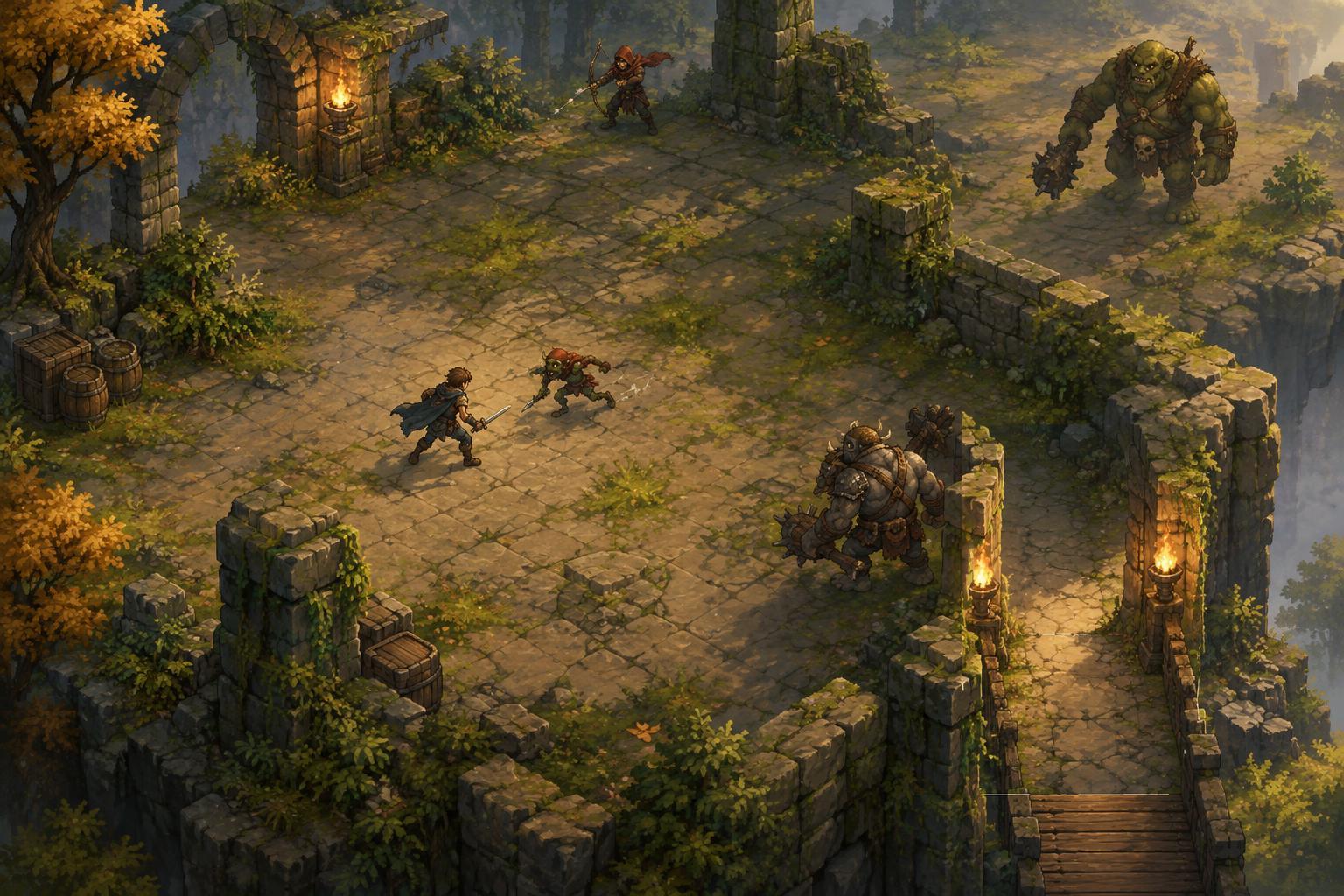
Think about the space each build needs. A short-range character may need a clear path to keep dealing damage, while a character with broad area attacks may be best placed near the side where enemies are gathering. These are flexible roles, not permanent assignments. If one player falls behind, the group should slow or loop toward safer ground instead of continuing until the gap becomes impossible to close.
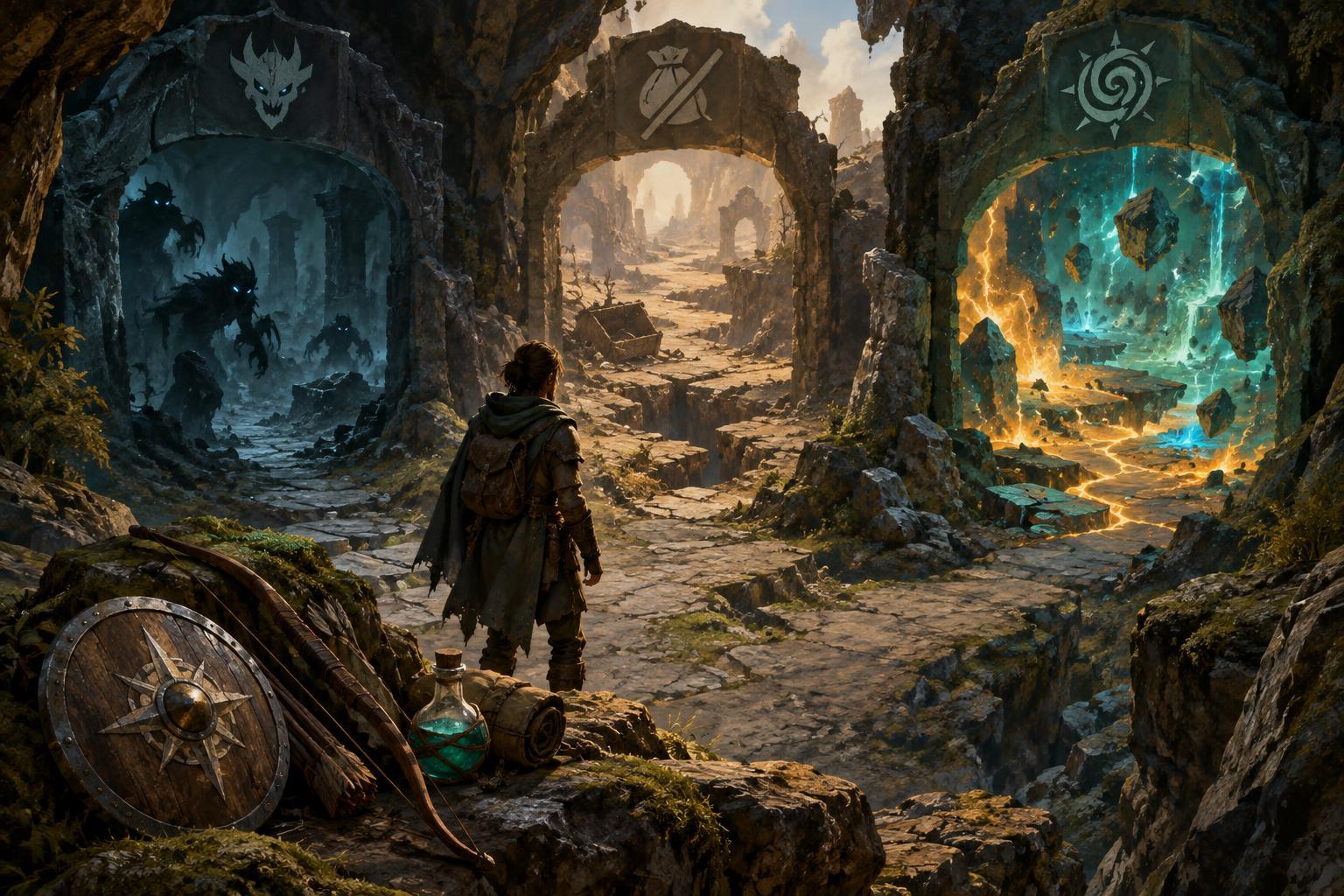
Pickups create another common split. If a resource lies away from the team's route, say who is going for it and where the others will wait. Some games share pickups or experience; others do not. Check the rules rather than assuming everyone benefits equally from a detour. A modest reward is rarely worth separating the team just before a difficult wave.
Treat revives as a space-making problem
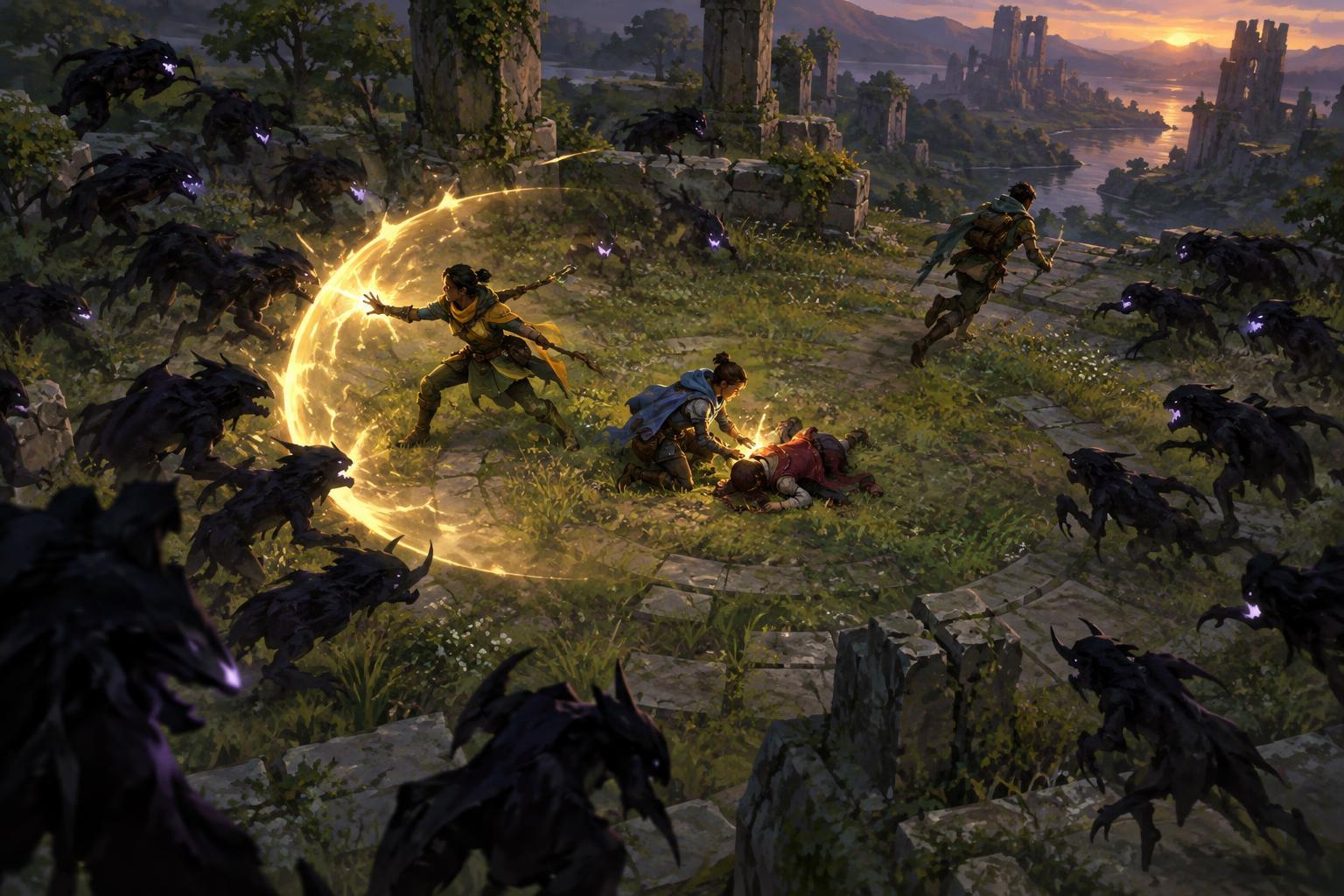
When a teammate goes down, the first instinct is often to rush directly to them. A safer first step is to inspect the area: where are the enemies moving, which attacks can clear a lane, and where can the surviving players stand without being surrounded? The precise revive process depends on the game, but the underlying task is usually the same. Someone needs enough room and time to complete it.
If there are multiple survivors, assign jobs quickly. One player can draw enemies away or clear a side while another approaches the downed teammate. Avoid having everyone stop in the same dangerous spot unless the game's mechanics require it. If a revive can be interrupted, approach with an exit route already in mind. If the game offers protective abilities or crowd control, using one to secure the attempt may be more valuable than saving it for an uncertain later fight.
Not every revive is immediately possible. Repeatedly diving into a packed area can turn one downed player into a full team wipe. If the rules allow time, circle away, thin the crowd, and return from a better angle. If they do not, make a quick decision together rather than letting each survivor attempt a different rescue.
Plan builds that help the team recover
Co-op builds work best when they do more than produce individual damage. Consider whether the group has reliable ways to clear nearby enemies, handle tougher targets, and escape when its path closes. A team of specialized builds may be powerful, but it can also struggle if the only player who can make room is the one who goes down. Some overlap in defensive or space-clearing tools makes recovery less fragile.
Coordinate upgrades without turning every choice into a debate. Share important gaps early: “We need a way to clear close enemies” is more useful than prescribing another player's entire build. If equipment or upgrades are limited, discuss who can use them most effectively for the team's current problem. Revisit that assessment after a difficult wave, because the danger that ended one run may not be the danger in the next.
Use failed runs to improve one habit at a time
A co-op defeat can feel like the result of one missed dodge or one failed revive, but the decisive mistake may have happened earlier. Perhaps the group drifted apart while collecting resources, or a turn left the slowest player without a clear route. After the run, identify one moment when the team still had options. Ask what movement call, position, or build choice would have made that moment easier.
Choose one adjustment for the next attempt: announce sharp turns, regroup before pickups, or clear a lane before starting a revive. Small shared habits are easier to practice than a complicated strategy. As players become more predictable to one another, they can spend less attention tracking teammates and more attention reading the hazards ahead.