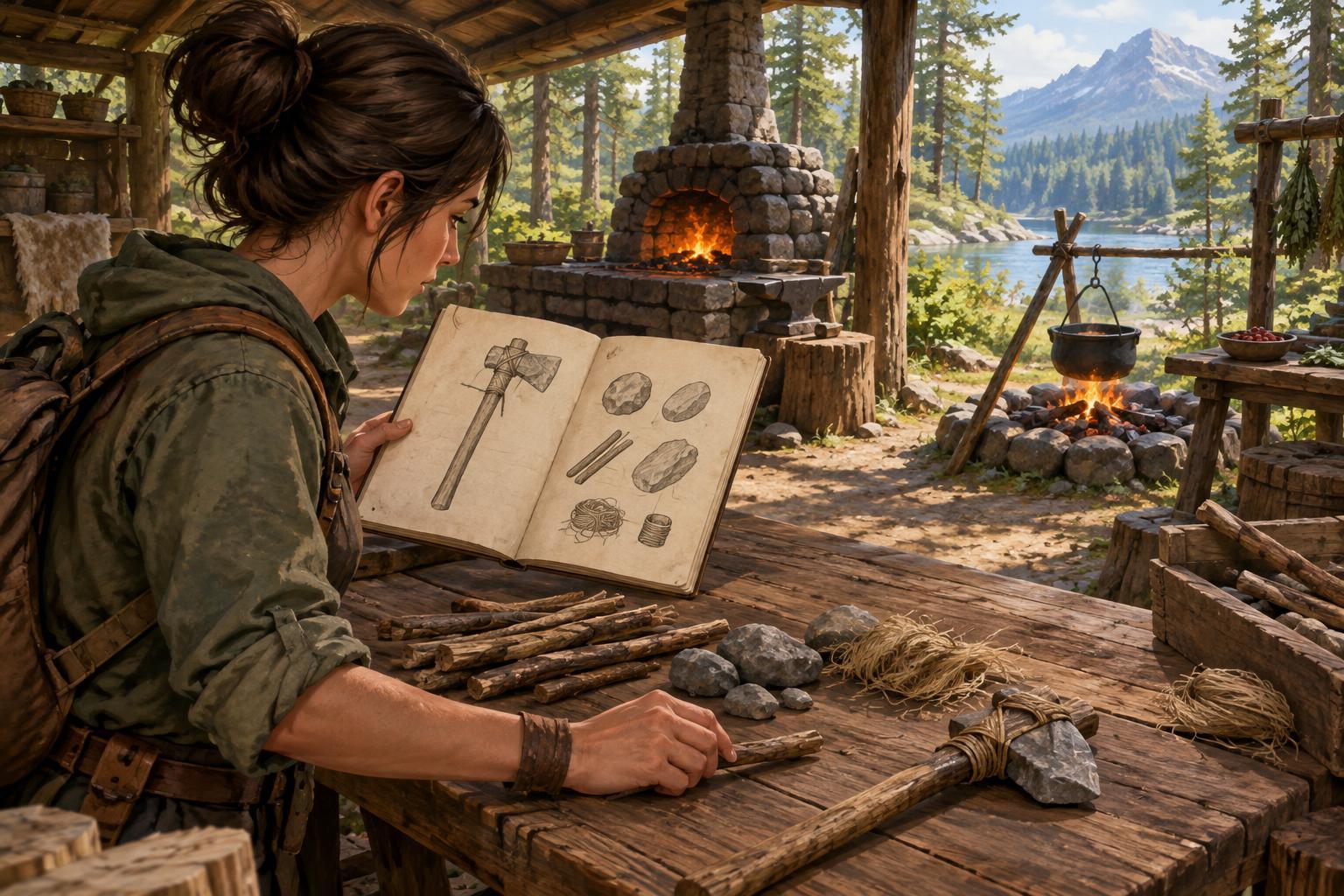
Understand what is limiting you
Before sorting your pack, check whether the game limits total weight, the number of inventory slots, or both. A weight limit makes heavy items costly even when they occupy little space. A slot limit can make a stack of small supplies efficient, while a single awkward item may crowd out several useful alternatives. Some games also restrict equipment slots separately from the main pack. Knowing which limit you are close to helps you solve the right problem.
Also pay attention to what happens when you exceed a limit. In one game, extra weight may slow movement; in another, you may be unable to pick anything up. If the rules are unfamiliar, leave a little space and test them near a safe location. Do not plan a long trip around an assumed penalty you have not checked.
Pack for the trip you are actually taking
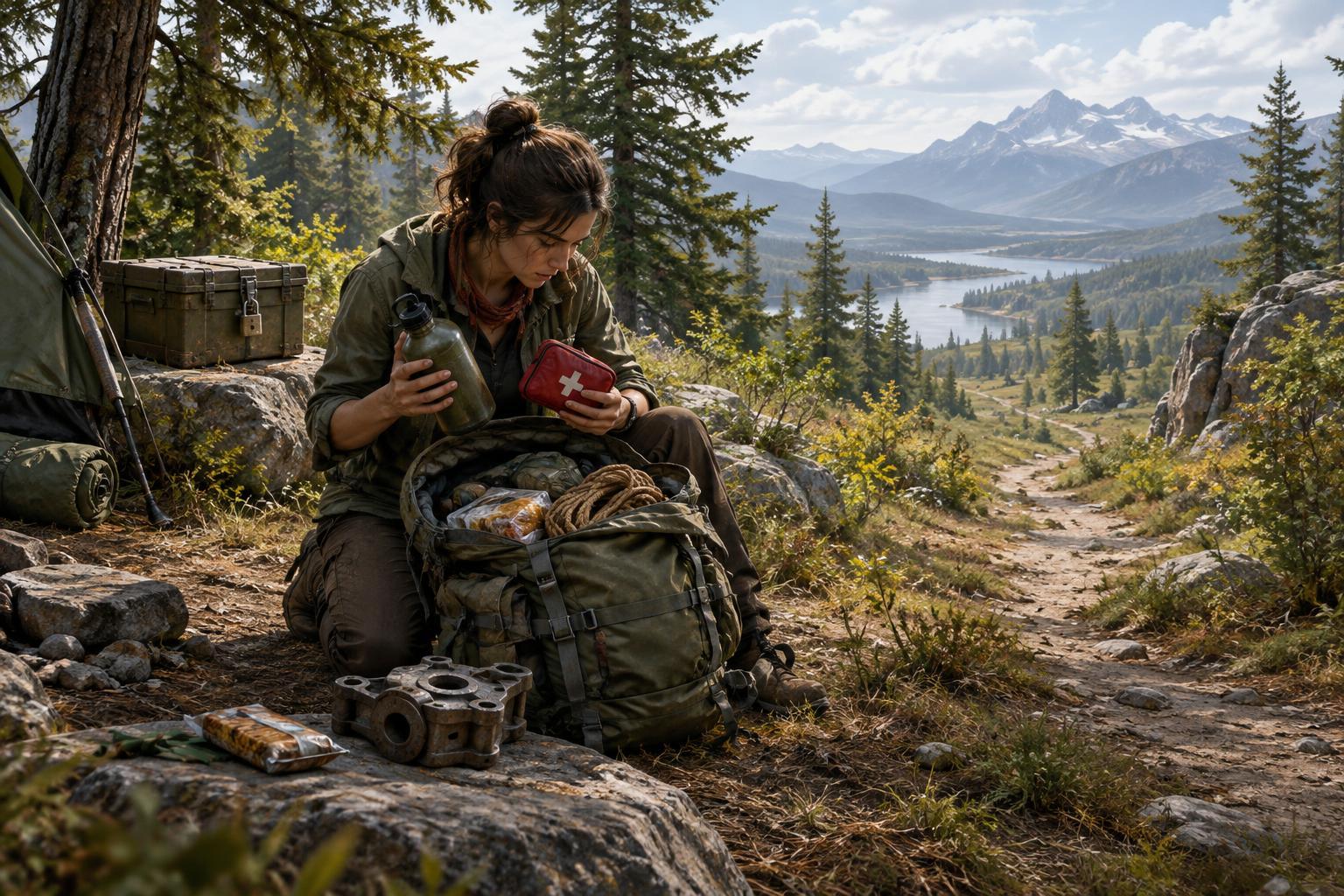
Start with your destination, expected hazards and route home. A short trip to gather nearby materials calls for a different pack than an attempt to explore an unknown area. Carry what you are likely to use before you can return safely: suitable protection, a dependable tool or weapon if needed, and enough recovery supplies for plausible setbacks. The goal is not to prepare for every possible event; it is to avoid being forced to turn back by a predictable one.
Match quantities to the journey. If a resource is easy to find along your route, carrying a large reserve may be less valuable than keeping space for discoveries. If it is scarce or essential to getting home, a modest backup can be worth the cost. Check whether tools wear out, whether food or light expires, and whether weather or terrain changes what you need. Revisit the pack after each trip rather than treating one loadout as permanent.
Judge items by usefulness, not just rarity
When your inventory fills, ask what each item will do before you reach storage. An ordinary healing item you can use now may be more valuable than a rare crafting component that serves no immediate purpose. Conversely, an irreplaceable quest item may deserve a slot even if it has no short-term benefit. Rarity is one consideration, but timing, replaceability and the cost of losing the item matter too.
A useful question is: “What would I leave behind to keep this?” Compare items in terms of the specific trade-off, not an abstract ranking. A heavy stack of common materials may be worthwhile when those materials are the purpose of your trip. On an exploration run, the same stack could prevent you from carrying a key find. If the game allows splitting stacks or dropping excess quantities, you may not have to make an all-or-nothing choice.
Keep room for the unexpected
An inventory packed to its limit before departure has no flexibility. Free capacity lets you collect an unfamiliar item, pick up supplies after a difficult encounter, or change plans without immediately discarding something. There is no universal number of slots to reserve: the right buffer depends on how far you are going and how likely you are to find useful loot. The less you know about the area, the more valuable that flexibility becomes.
Storage can make these choices easier. If the game provides a safe base, cache or other reliable place to leave items, separate your everyday kit from materials you only need for crafting or building. Confirm how storage works before relying on it; some games make dropped items temporary or expose containers to risk. Organizing supplies by purpose also makes it easier to notice when you have packed duplicates you do not need.
Use a quick decision routine when the pack fills
Pause somewhere safe and identify the immediate objective: survive the return trip, complete a task, or collect a particular resource. Keep items essential to that objective first. Next, compare replaceable supplies with items that would be difficult to recover later. Finally, consider whether a less urgent item can be stored, consumed appropriately, combined, or left behind. If sorting menus are difficult to use under pressure, make these decisions before entering a hazardous area.
After returning, note what you used, what you never touched, and what you wished you had carried. That simple review will improve your next loadout more reliably than trying to find one perfect packing list. Inventory limits create trade-offs by design; a good choice is one that supports this trip and leaves you able to respond when the plan changes.