Define what “better” means before the run
A build change can feel powerful without helping you reach your goal. A new weapon may clear early enemies faster but leave you vulnerable to a late boss. A defensive upgrade may lower your damage yet make difficult stages more consistent. Before testing, choose the outcome that matters: reaching a later wave, surviving a particular encounter, clearing the run, or doing so with less demanding movement.
Pick one primary measure and a few supporting observations. For example, if your goal is to clear a stage, record whether you cleared it, how far failed runs reached, and what usually ended them. You can also note whether the build needed a lucky upgrade offer to function. These details help distinguish a dependable improvement from one spectacular run.
Start with a baseline and change one thing
Play your familiar build a few times under the conditions you intend to test. Keep the character, stage, difficulty, starting options and progression upgrades the same where the game allows it. Write down the main choices you make during each run. This baseline does not need to be perfect; it gives you something more useful to compare against than memory.
Next, change only one planned element, such as a weapon, passive item, upgrade priority or movement rule. If you replace a weapon and alter your entire upgrade order at the same time, you may improve, but you will not know which decision helped. Treat required adjustments as part of the test: if the new weapon needs a different support item to work, compare the two complete plans and describe them honestly.
Not every roguelite lets you hold conditions steady. Random offers, enemy patterns and map layouts may differ. If a fixed seed or repeatable mode is available, it can reduce some variation, but it may not reflect ordinary play. When conditions cannot be matched, record the important differences rather than pretending they did not happen.
Compare several runs, not the most exciting one
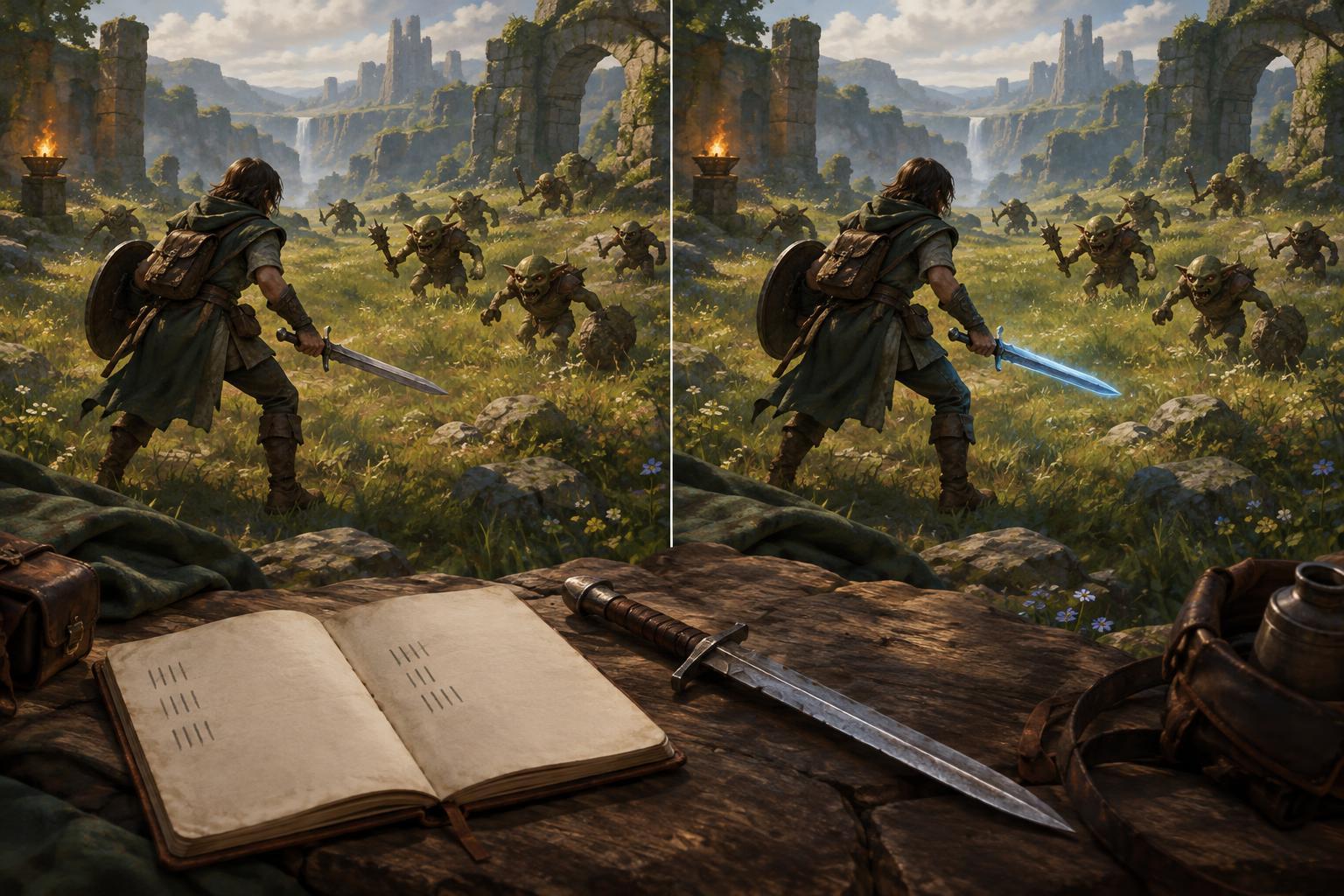
One great run is a reason to investigate, not proof that a change works. Try both versions more than once, alternating between them when practical. Alternating helps limit the effect of practice: if every test of the new build comes after every baseline run, improved familiarity with the stage may make the new build look better than it is.
Keep a compact log. For each run, note the build version, result, point reached, major item offers, and cause of failure. Add a short comment on how the run felt to control. You do not need elaborate calculations. Look for a pattern: does the changed build reach the troublesome section more often, recover from poor offers, or fail in the same place despite stronger early damage?
Some results will remain ambiguous, especially when runs are long or highly random. If the outcomes are mixed, describe the change as a trade-off and keep testing only if the decision matters to you. A useful test can conclude that you cannot yet tell.
Look for the mechanism behind the result
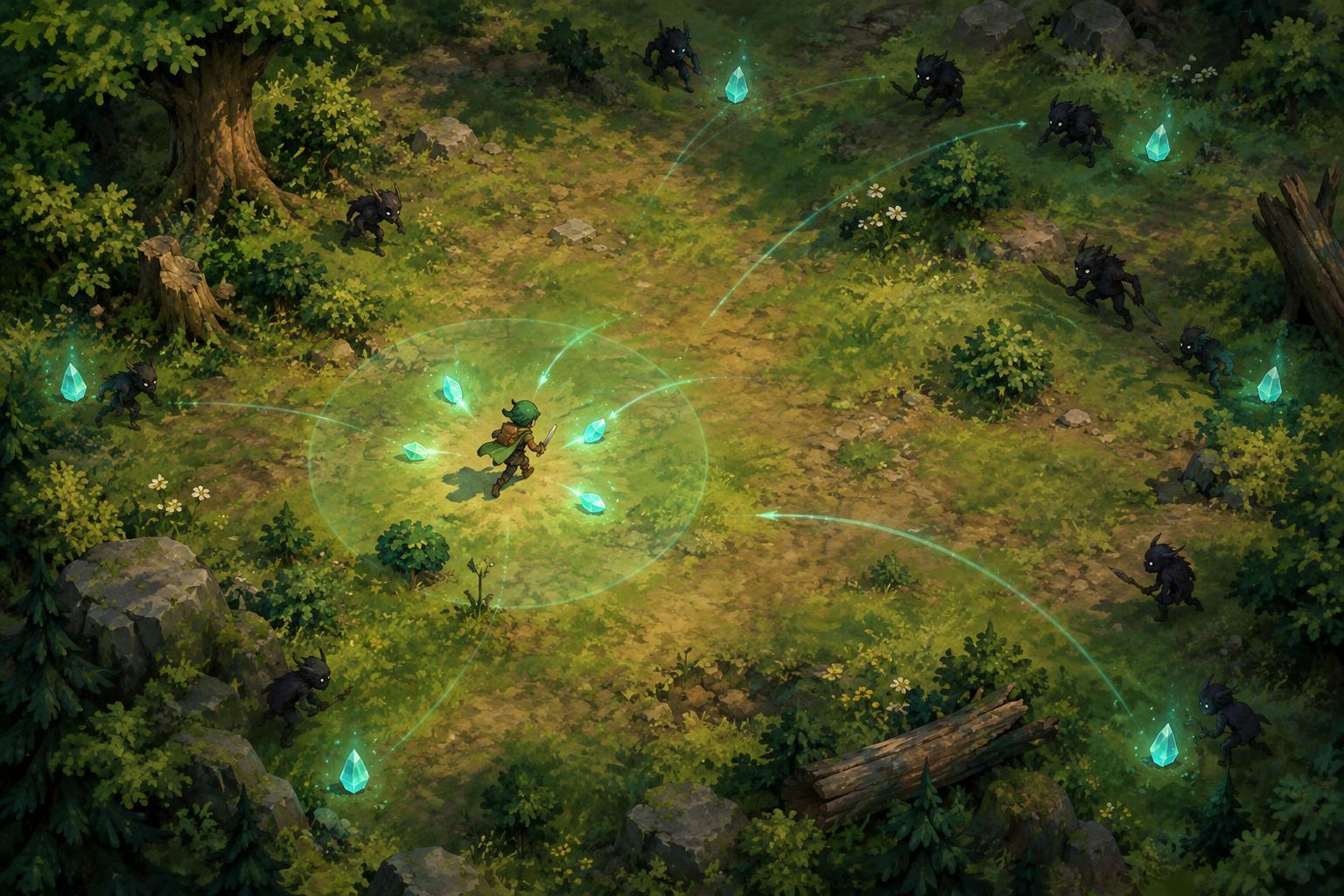
A comparison becomes more useful when you can explain why a build succeeds or fails. Watch for moments when its strengths actually matter. Area damage might protect space around the player, while focused damage may remove dangerous targets sooner. Extra speed may help you escape crowds but make precise movement harder. The relevant question is not whether an option is strong in isolation, but whether it solves the problem your runs face.
Separate performance from comfort, too. A build that requires constant aiming or rapid decisions may be effective on paper but tiring or difficult to use consistently. Conversely, a simpler build may free your attention for positioning. Note these effects alongside completion results, particularly if you are choosing a build for longer sessions or your preferred control setup.
Turn the test into a practical decision
After comparing the runs, decide when you would choose the change. You might keep it for stages with dense groups, avoid it against single durable enemies, or use it only when a supporting upgrade appears early. A conditional conclusion is often more helpful than declaring one build universally best.
Save a short summary of the test: what you changed, what stayed the same, what happened repeatedly, and what remains uncertain. If later progression unlocks new upgrades or your playstyle changes, run the comparison again. Build testing is not about proving a favorite choice right; it is a way to make your next run more deliberate.