Treat daylight as a travel budget
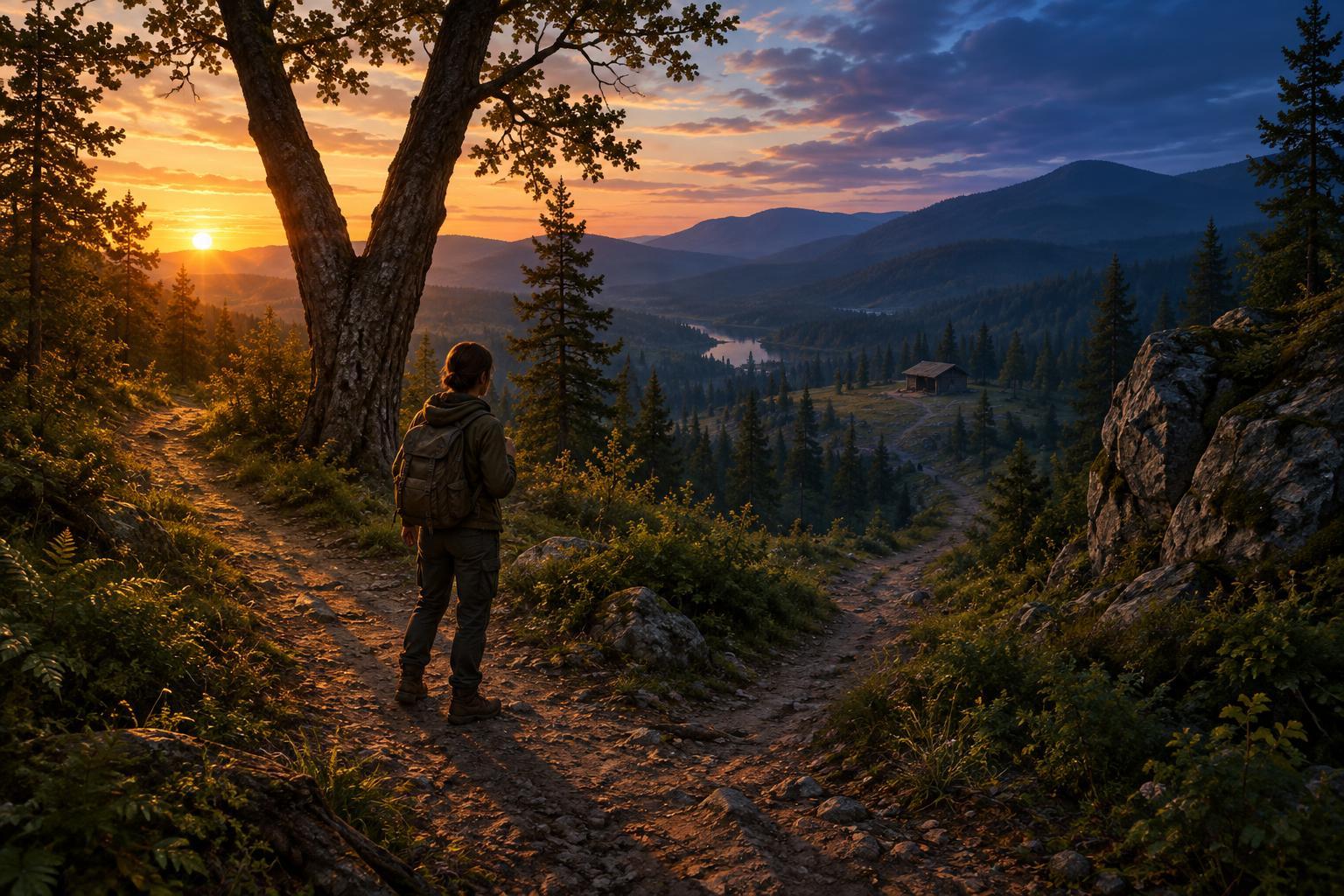
In survival games, daylight is more than a visual effect. It is time you can spend finding landmarks, spotting hazards and choosing a route home. Once visibility falls, familiar ground may become harder to read, even if the distance has not changed. This is independent, general gameplay guidance rather than an official guide to any particular game; exact day lengths and nighttime risks vary.
Before leaving a safe area, divide the remaining daylight into three parts: travel out, time at your destination and travel back. Leave a margin for detours, inventory management or a wrong turn. If you do not yet know how long a game’s day lasts, make a short scouting trip instead of committing to a distant objective. Note where you were when the light began to change; that observation can help you plan the next trip.
Choose a route you can recognize in reverse
A direct route is not always the easiest route home. A path along a shoreline, road, ridge or other distinctive feature may be longer but simpler to follow when visibility drops. As you travel, look back occasionally. A landmark that is obvious on the way out may be hidden behind a slope or look different from the opposite direction.
Build your return route around a small number of dependable waypoints rather than a vague sense of direction. If the game provides a map, compass or placeable markers, use them to confirm what you can see in the world. If it does not, pay attention to junctions and terrain changes. Avoid relying entirely on a single light source or marker that could become obscured, run out or be easy to miss.
Set a turnaround point before you need one
It is easy to keep going when a promising structure or resource is just beyond the next hill. Decide in advance what will make you turn back: a change in the sky, a particular landmark, low supplies or reaching the limit of your planned travel time. A preset rule makes the choice easier when you are tempted to push on.
Treat collecting resources as part of the trip, not as a free pause. Searching containers, gathering materials and deciding what to carry can use the daylight reserved for returning. If you reach the destination late, take only what you came for and leave. You can return on a later trip with better knowledge of the route. A modest success is often more useful than a full inventory stranded far from shelter.
Pack for delays, not just the destination
The most useful travel supplies are the ones that help when the plan slips. Depending on the game, that might mean a light source, food, a way to restore stamina, materials for a temporary shelter or room in your inventory for essential finds. Check whether those supplies need fuel, charges or crafting components before setting out. Carrying a tool you cannot use after dark offers little reassurance.
Inventory space matters too. A heavily loaded character may move more slowly or have less room for an unexpected item in games with weight or slot limits. Decide which resources are worth keeping before the return leg begins. If dropping common materials would let you move more reliably, identify them while it is still light rather than sorting through your pack in the dark.
Make a nightfall fallback plan
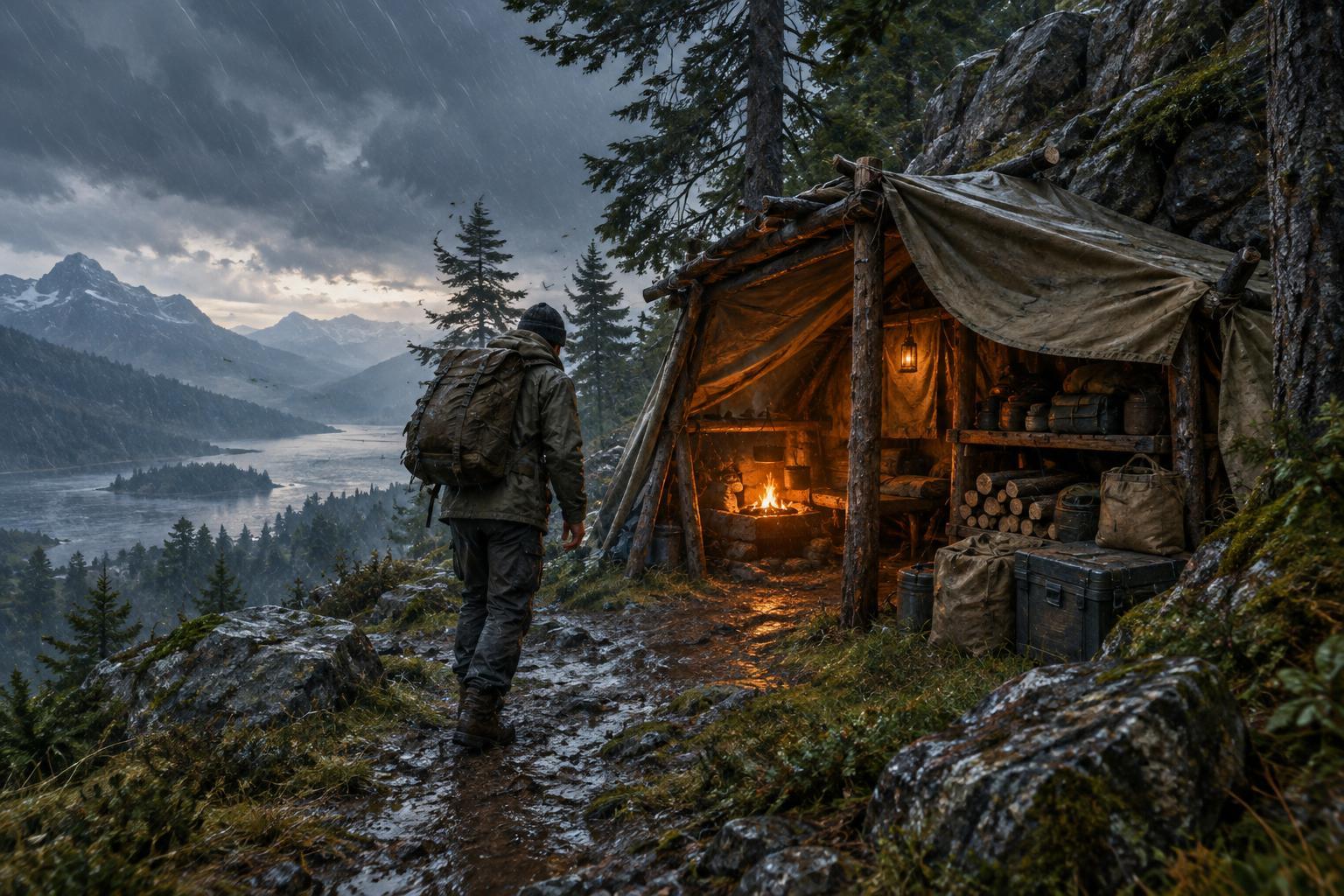
Even careful timing can fail. Before departure, identify somewhere you could stop if returning becomes unsafe: a known shelter, a defensible area or a place where you can wait for better visibility. This is a fallback, not a reason to ignore the turnaround point. Some games make night mainly a navigation challenge; others add threats, temperature changes or different enemy behavior. Learn which risks apply through cautious, short trips.
If darkness catches you away from safety, slow down and prioritize orientation. Check your last reliable waypoint, then choose between following a known route and staying put until you can see more clearly. Wandering quickly in an uncertain direction can turn a small delay into a larger problem. Afterward, use what happened to adjust your next travel budget: leave earlier, choose clearer landmarks or set a closer objective.