Why more weapons do not always mean more power
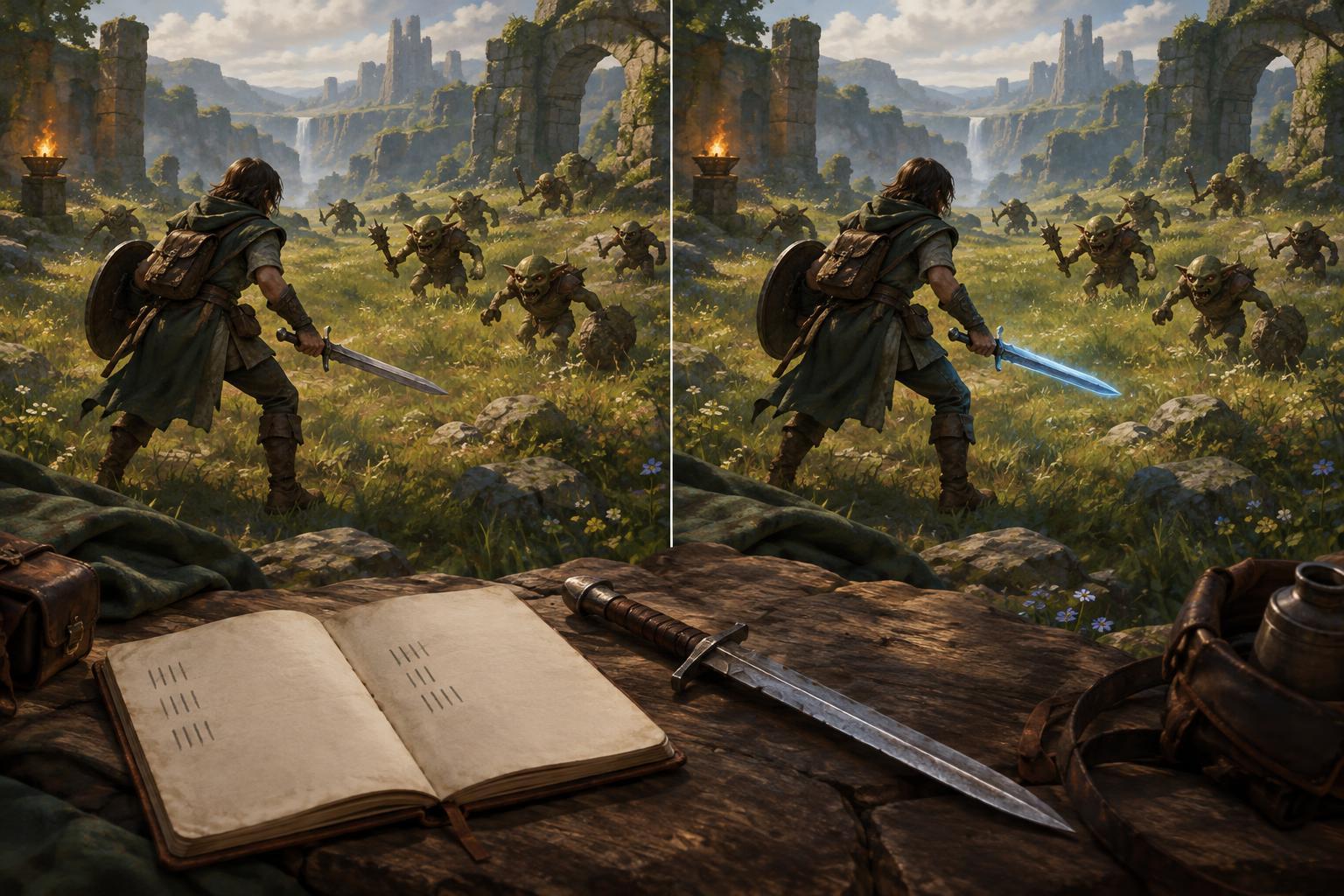
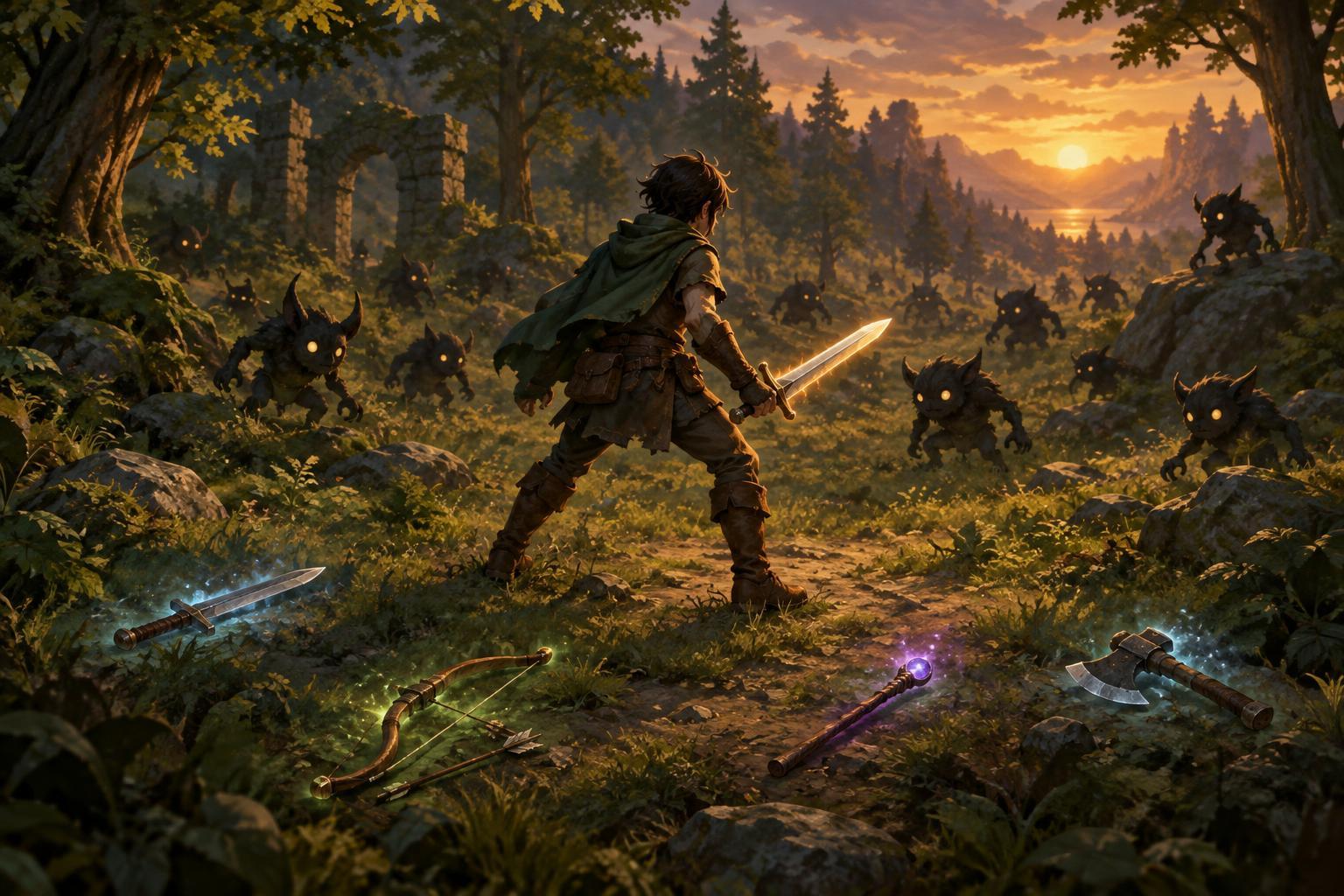
In a survival game, a new weapon often feels like an immediate improvement. It may attack in a different direction, fill a gap between volleys, or produce an effect you have not seen before. The mistake is not taking several weapons; it is taking so many that none receives the upgrades needed to handle tougher enemies.
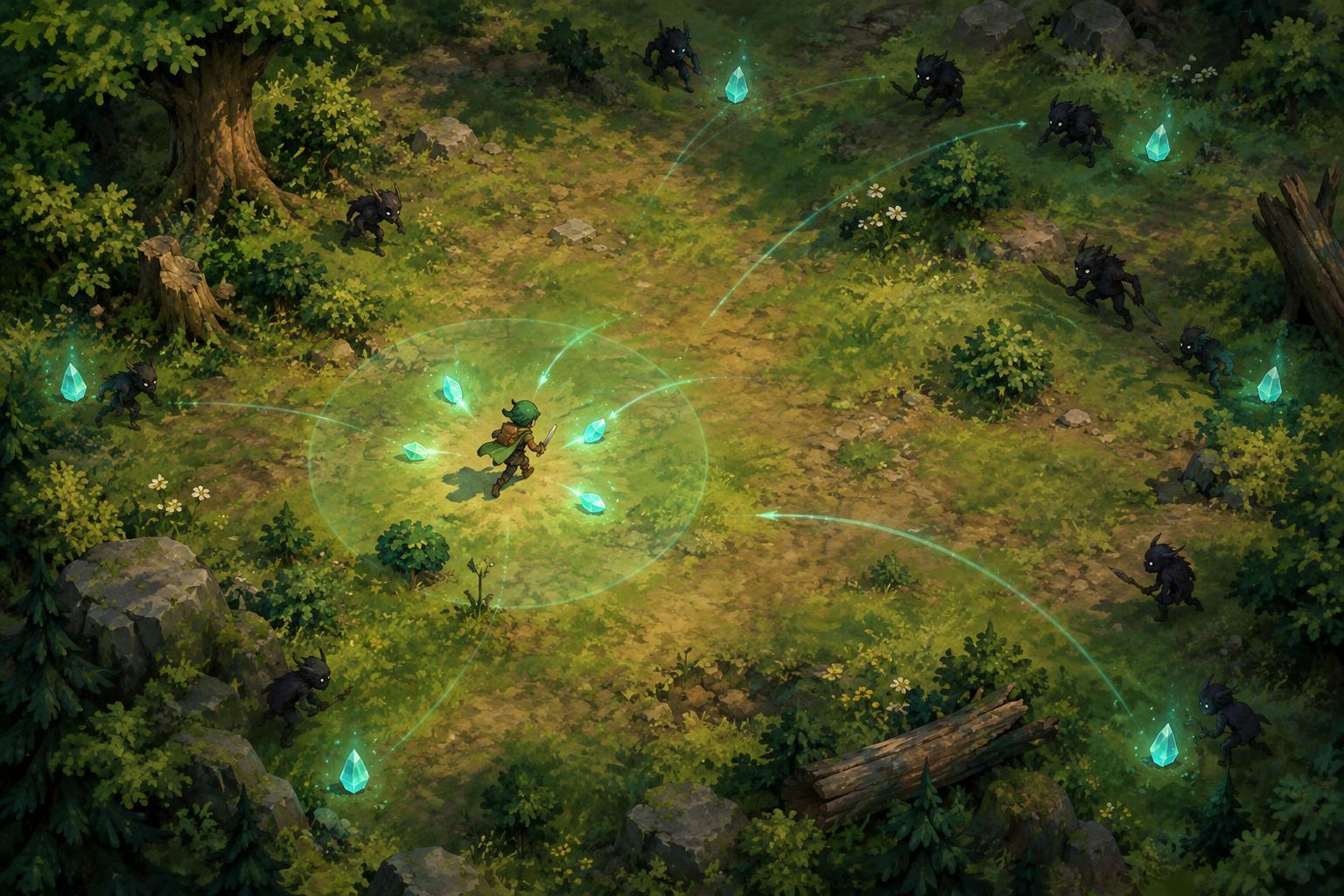
Many upgrade systems offer a choice from a limited set of rewards. Each new weapon can add another path competing for those choices. If your damage is divided among several low-level attacks, you may have plenty of visual activity without enough power to clear space. Enemies then stay alive longer, making it harder to move safely or collect the resources that fund later upgrades.
The exact balance depends on the game. Some weapons work well at a low level, while others need repeated upgrades or a matching passive item before they become reliable. The useful question is not “How many weapons can I carry?” but “Which weapon needs my next upgrade most?”
Recognize the signs of a scattered build
A scattered build often starts comfortably. Several basic weapons can control early enemies, so taking another looks harmless. The weakness appears when enemy health, speed, or density rises. If foes survive multiple attack cycles and you must keep retreating to avoid being surrounded, check whether your upgrades have been spread too thinly.
Another sign is a collection of weapons that all do roughly the same job. For example, three short-range attacks may look varied but still leave you exposed to enemies approaching from farther away. Conversely, several slow, wide-area attacks may leave an opening against a nearby target. Count distinct jobs, not just distinct icons: consistent close-range damage, crowd clearing, directional coverage, and a way to handle durable targets are examples of jobs worth considering.
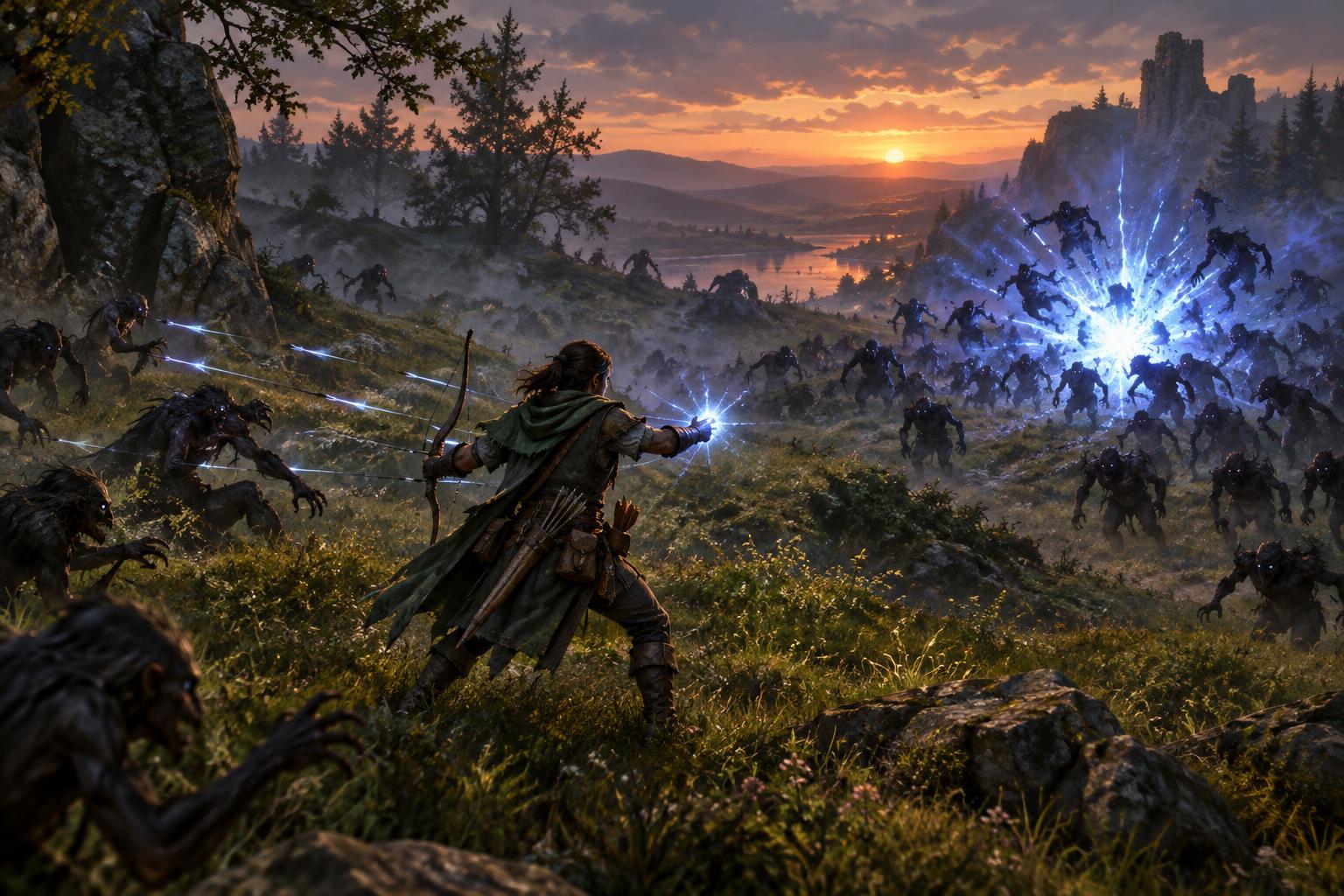
Do not judge a build only by how busy the screen looks. Watch what happens to a dense group after an attack lands. Are enemies removed quickly enough to create a safe path, or do they keep advancing through the effects? That observation is more useful than the number of projectiles on display.
Choose a core before adding specialists
A simple plan is to pick one main damage source early and give it priority for a few upgrades. Choose something whose targeting and range fit how you prefer to move. A weapon you can use consistently is often a better core than one with impressive potential that rarely hits where you need it. Once your core can clear ordinary enemies, look for a second weapon that covers a weakness rather than copying its role.
Think of later slots as specialists. A short-range core might benefit from an attack that reaches enemies before they close in. A weapon with long pauses between attacks might pair well with something that deals steadier damage. Defensive or movement-related options can also be valuable when they let you survive long enough to keep your main attacks working.
Passive upgrades deserve the same scrutiny. If a game rewards particular combinations, leave room for the supporting pieces your plan requires. If it does not, favor bonuses that improve attacks you already rely on. A bonus that sounds powerful in isolation may do little for a build that cannot make regular use of it.
When taking another weapon is the right move
Focus is not a rule against variety. A new weapon is worth considering when it solves a problem you can clearly identify. Perhaps your main attack misses fast enemies, cannot reach targets behind you, or clears groups well but struggles with durable foes. In those cases, a modestly upgraded complement can make the whole build safer.
It may also make sense to take an available weapon when your preferred upgrade is not offered. Treat that choice as an adjustment, not a commitment to raise every weapon equally. Afterward, decide whether the newcomer has earned more investment through its performance. If it has not, return your attention to the core when you can.
Games with random rewards require flexibility. You may not find the exact pieces you planned, and an unexpected combination may work better than expected. The goal is to avoid automatic picks: take a weapon because it fills a role or opens a useful upgrade path, not simply because an empty slot exists.
A quick check before each upgrade
Before choosing a reward, ask three questions. What is currently ending my runs or forcing risky movement? Which existing weapon could address that problem with one more upgrade? If I add something new, will it fix a different problem or compete for resources with my best attack? These questions turn a tempting menu into a practical decision.
If ordinary enemies are becoming difficult to clear, strengthening a proven weapon is usually a sensible first option. If damage is adequate but you keep getting trapped, prioritize coverage, control, or survivability instead. Reassess after each noticeable change in enemy pressure; a good early plan should guide decisions, not prevent you from responding to the run in front of you.
The strongest builds are not necessarily the ones with the fewest weapons. They are the ones in which each pick has a purpose and the most important tools receive enough investment to do their jobs.