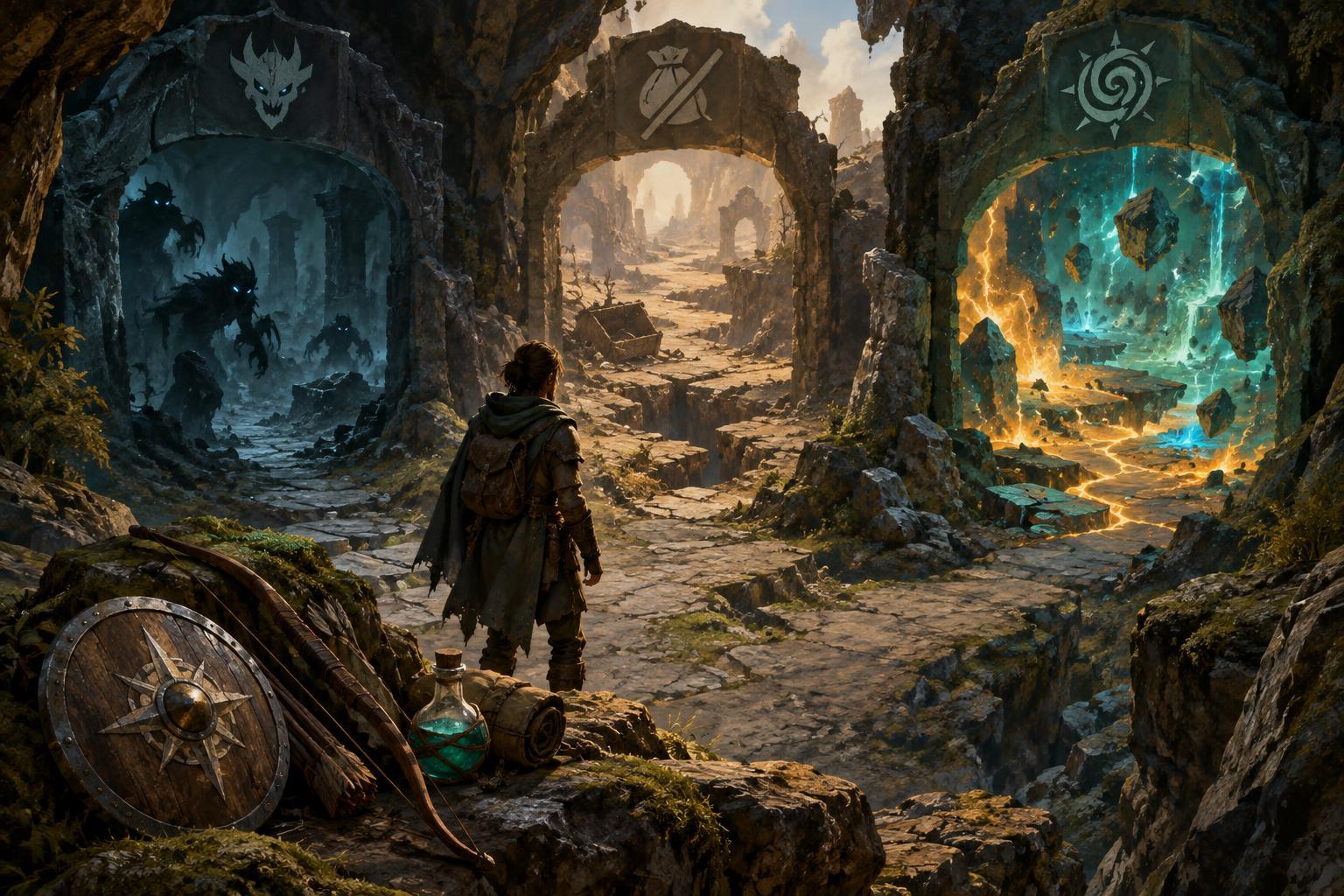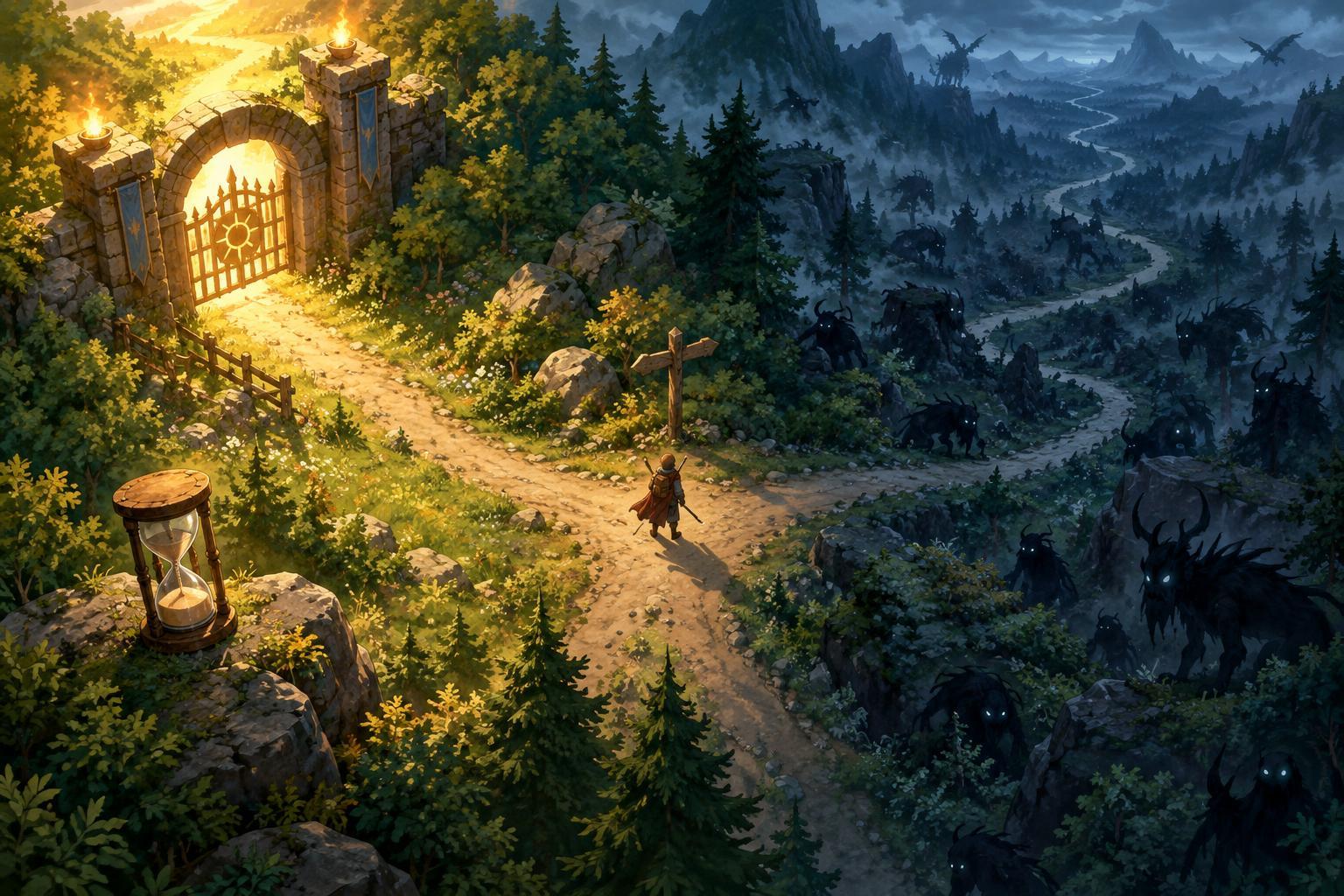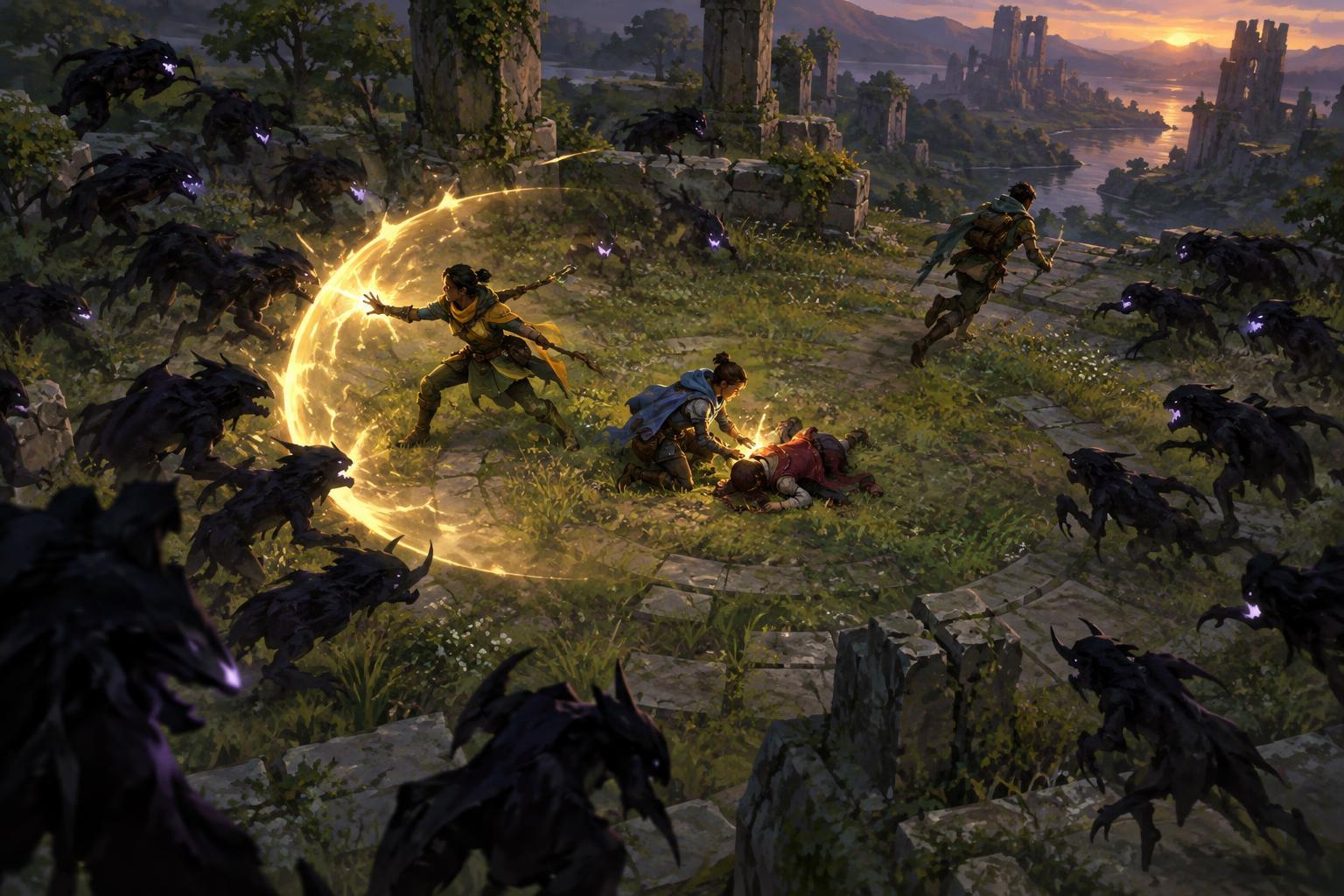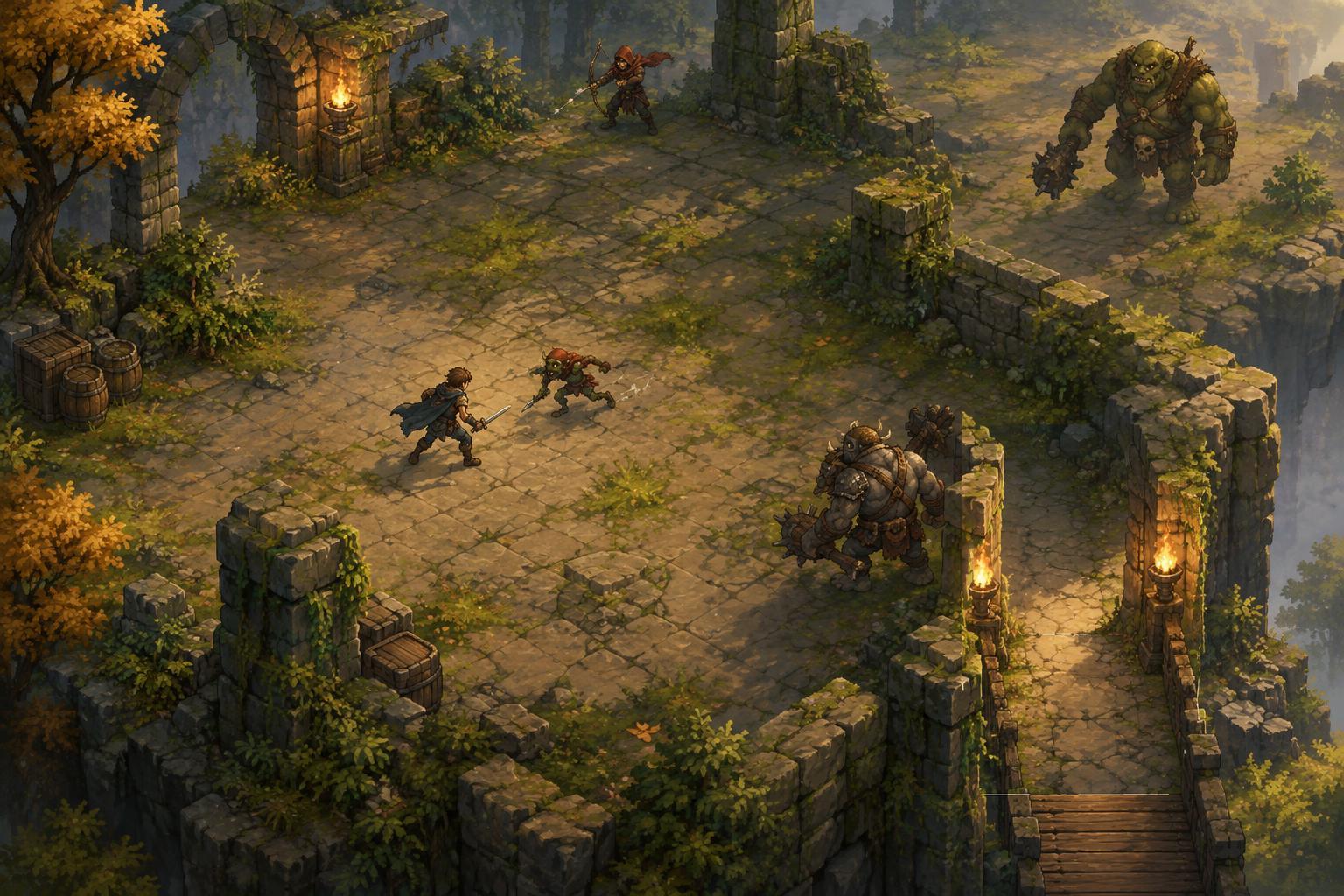
Think in terms of threats, not enemy size
In a mixed wave, the largest enemy is often the easiest one to notice, but it is not always the best first target. A slow, durable foe may be less dangerous than a small attacker about to cut off your escape. Before committing to a target, ask three questions: Which enemy can hurt me soonest? Which one limits where I can move? Which one can I remove quickly enough to change the situation?
This approach is useful across survival, roguelite and arcade-style games, though the answer depends on the game's movement and attack rules. If your weapon fires automatically, “targeting” may mean positioning so the right enemy enters its range. If you aim manually, it may mean choosing where to spend your next few attacks. Either way, the goal is not to defeat the most impressive enemy first. It is to make the next several seconds safer.
Clear immediate danger before distant danger
Start with enemies that are about to connect with you. A fast chaser at the edge of your movement path usually deserves attention before a slow enemy farther away. Ranged attackers also rise in priority when their shots are already crossing the space you need to use. Their position matters as much as their damage: an attacker covering your only open route can be more disruptive than one firing into an area you can avoid.
Next, look for enemies that multiply pressure. Depending on the game, a summoner, spawner or support unit may turn a manageable wave into a crowded one if left alone. Deal with it early when you can reach it safely; do not push through a dangerous pack merely to follow a fixed priority list. An enemy's theoretical threat matters less than the risk of trying to reach it right now.
Protect an exit, not just your health bar
Movement space is a resource. A cluster of weak enemies can be more urgent than a single tough one if it seals a corridor or surrounds your character. When you see a gap forming, consider clearing the enemies on one side rather than spreading damage across the whole wave. Opening one reliable lane gives you a place to dodge, collect pickups when safe and reassess the next threat.
Avoid drifting toward a wall or corner just because it puts distance between you and a pursuer. That distance disappears quickly when another group arrives. Instead, favor routes that leave more than one possible turn. If the wave is too dense to break directly, moving around its edge may be safer than forcing a fight in the middle. Your first target should help create that route, even if it is not the enemy with the most health.
Let your build influence the order
Priority changes with the tools you have. Wide-area attacks may clear weak enemies while you concentrate on avoiding a durable target. A narrow, high-damage attack may reward removing one fast threat at a time. Knockback can make a nearby crowd less urgent, while a slow attack with limited coverage makes gaps in the crowd especially valuable. Watch what your build actually handles well rather than assuming every upgrade solves the same problem.
Also consider how reliably you can land damage. Chasing a ranged enemy across the screen may waste attacks if your weapon hits the nearest target or fires only in a fixed direction. You may get a better result by clearing an approach lane first, then moving into a position where your attacks can reach it. If you can upgrade between waves, recurring problems offer a useful clue: choose tools that address the threats your current build struggles to control.
Recheck your priority as the wave changes
An initial plan should last only as long as its assumptions do. After you remove an enemy or change position, scan again. Has a fast foe entered striking distance? Did the ranged attacker gain a clear line? Is your escape lane closing? Brief checks prevent you from continuing to attack a low-priority target while the real danger moves elsewhere.
A simple rule for beginners is to handle immediate contact first, preserve an exit second and eliminate enemies that sustain pressure when an opening appears. It is a guide, not a strict ranking. Sometimes the best choice is not to fight at all for a moment: move into open space, let the wave spread out and then attack the part you can safely reach. Good target selection is less about perfect reactions than about repeatedly making the next decision easier.