Treat the map as a sequence, not a single choice
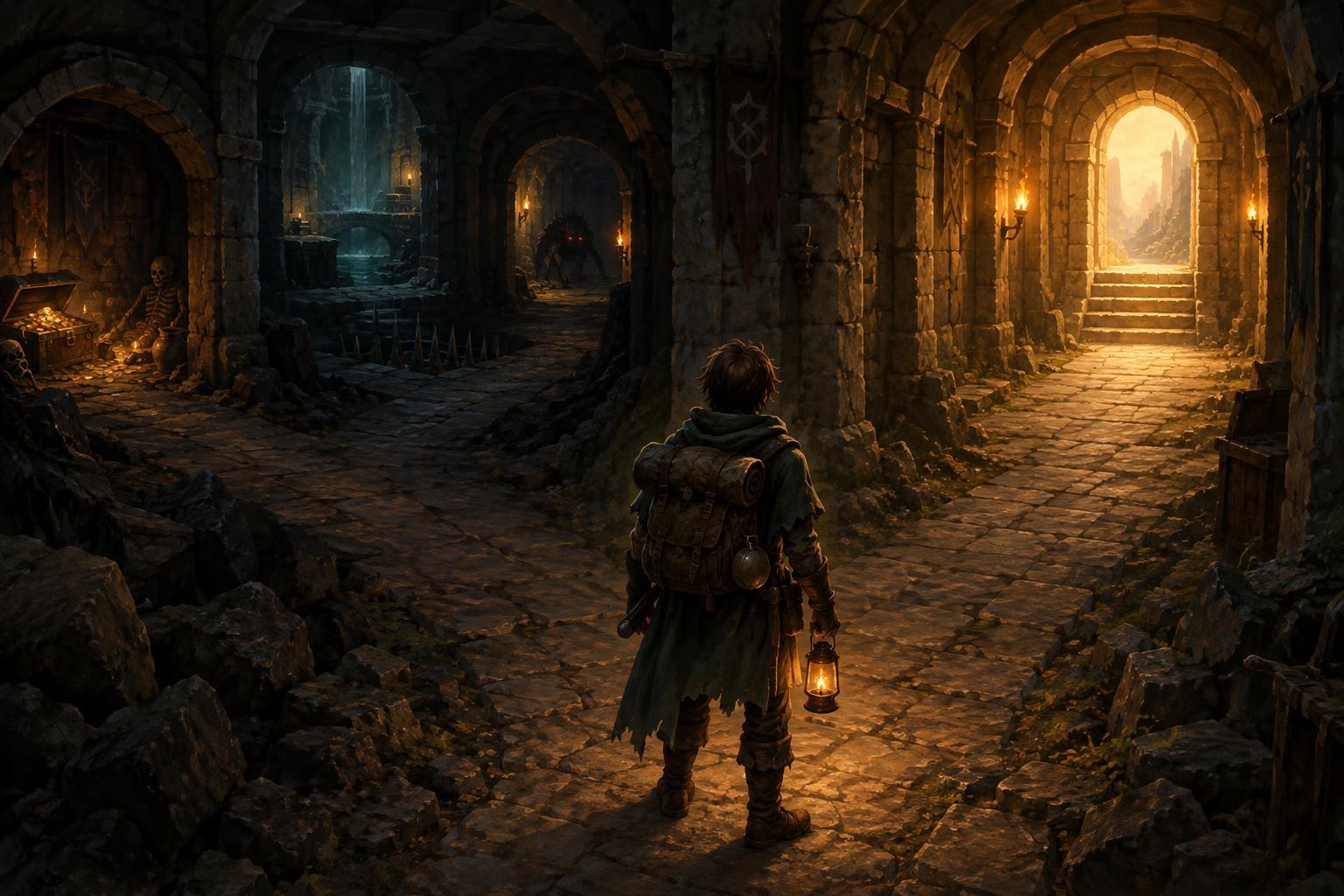
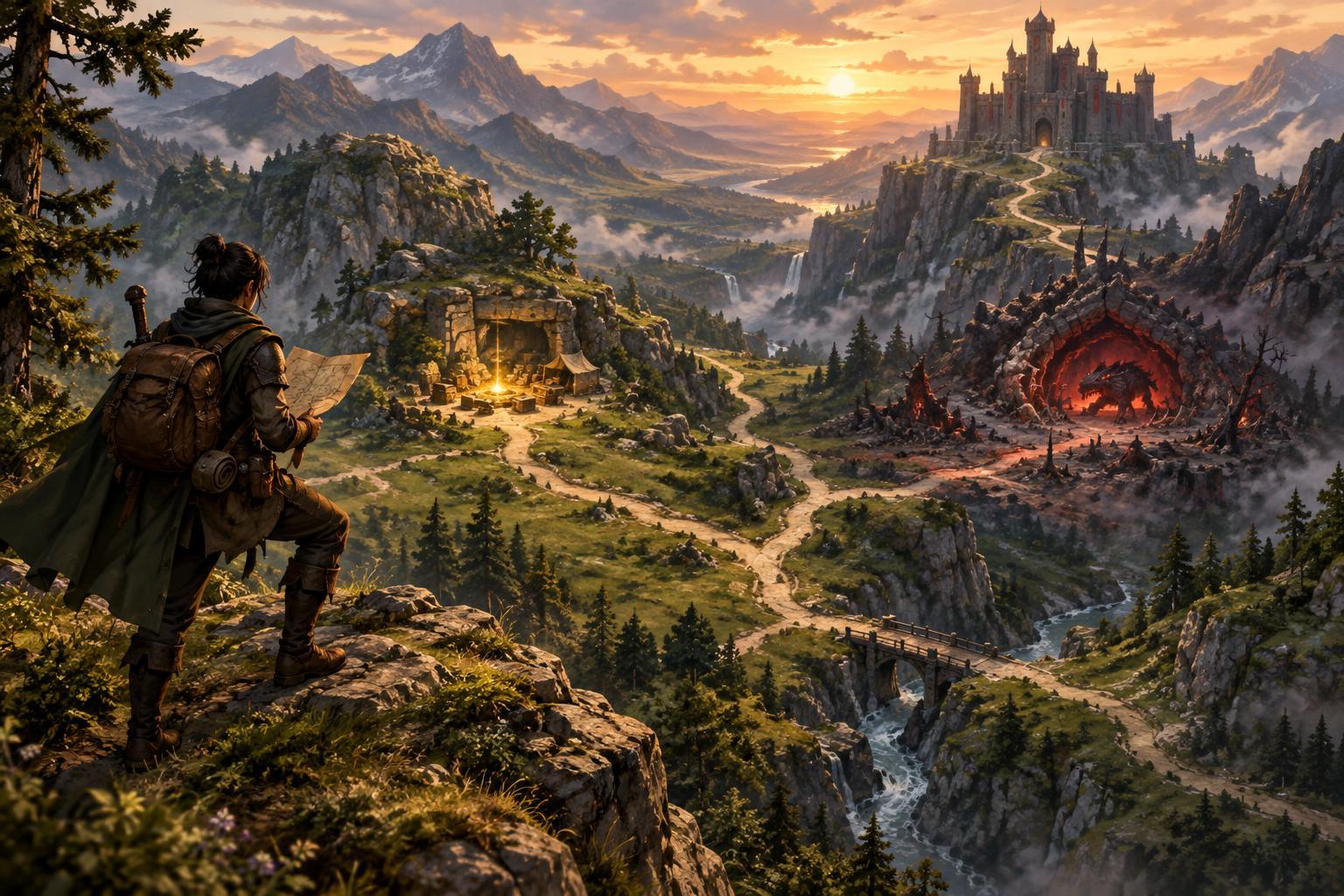
At a fork in a roguelite map, the next room can draw all your attention. A tempting reward may look like an easy decision until you notice that its branch leads straight into several difficult encounters. Before choosing, scan as far ahead as the map allows. Compare the whole stretch between your current position and the next major checkpoint, not just the two spaces immediately in front of you.
Look for routes that leave useful options open. A branch with a modest first reward might later let you choose between a shop and a recovery room. Another might offer a strong reward now but force a demanding fight when your build is least prepared for it. If parts of the map are hidden, separate what you know from what you are guessing. A route is a plan, not a promise.
Match rewards to what your run needs
The best reward depends on your current character, equipment and resources. Early in a run, an upgrade that makes ordinary fights safer can be more useful than a narrow bonus that only pays off after several other pieces come together. Later, when your basic damage or defense feels stable, a shop, event or specialized reward may offer a better way to refine the build.
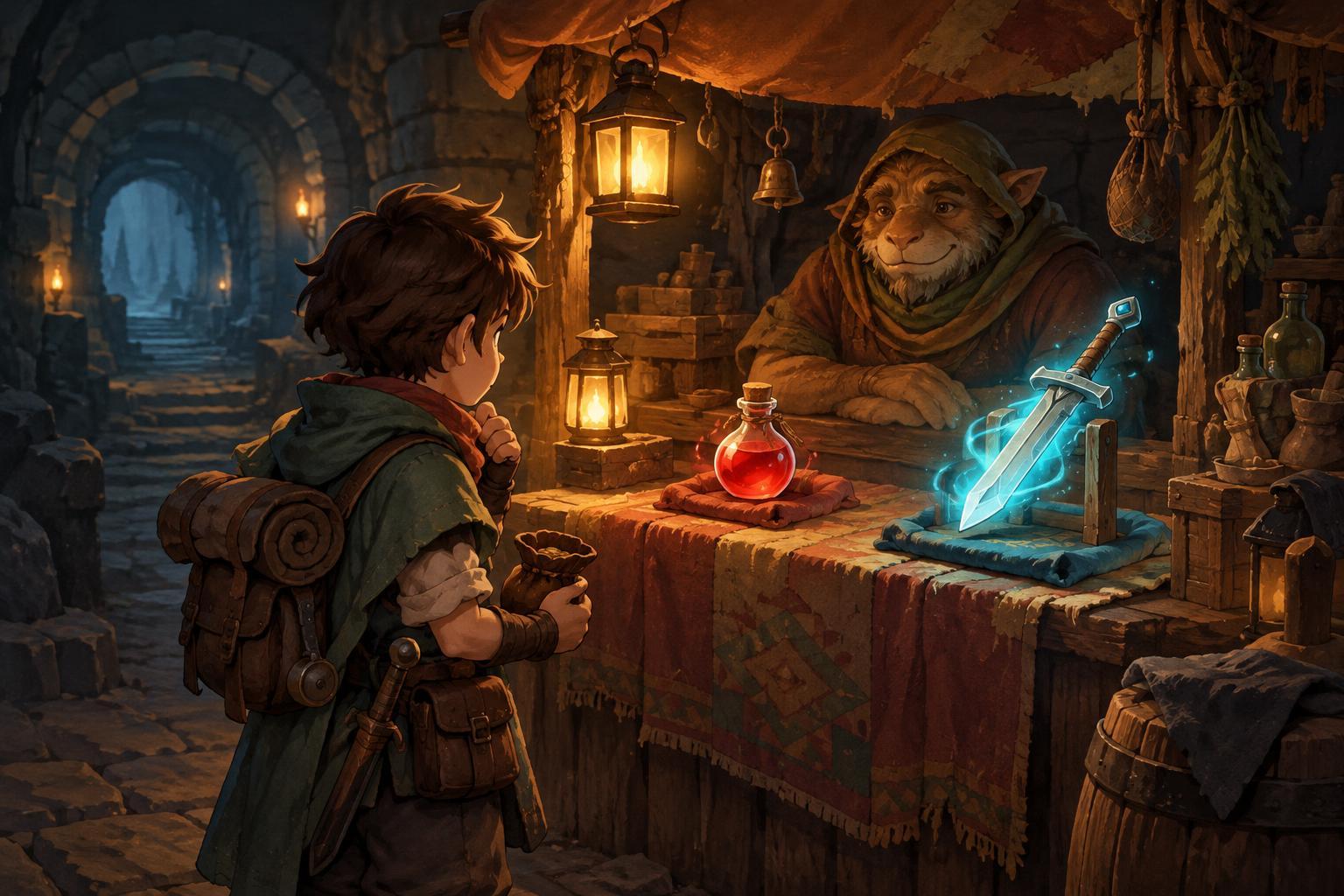
Ask what each branch is likely to solve. Do you need reliable damage against groups, a way to handle sturdy targets, more room for mistakes or a particular resource for an upgrade? Then consider whether you can use the reward soon enough for it to matter. Currency has limited immediate value if you cannot reach a shop. A powerful item may be awkward if it competes with the ability your current setup relies on.
Budget risk before taking it
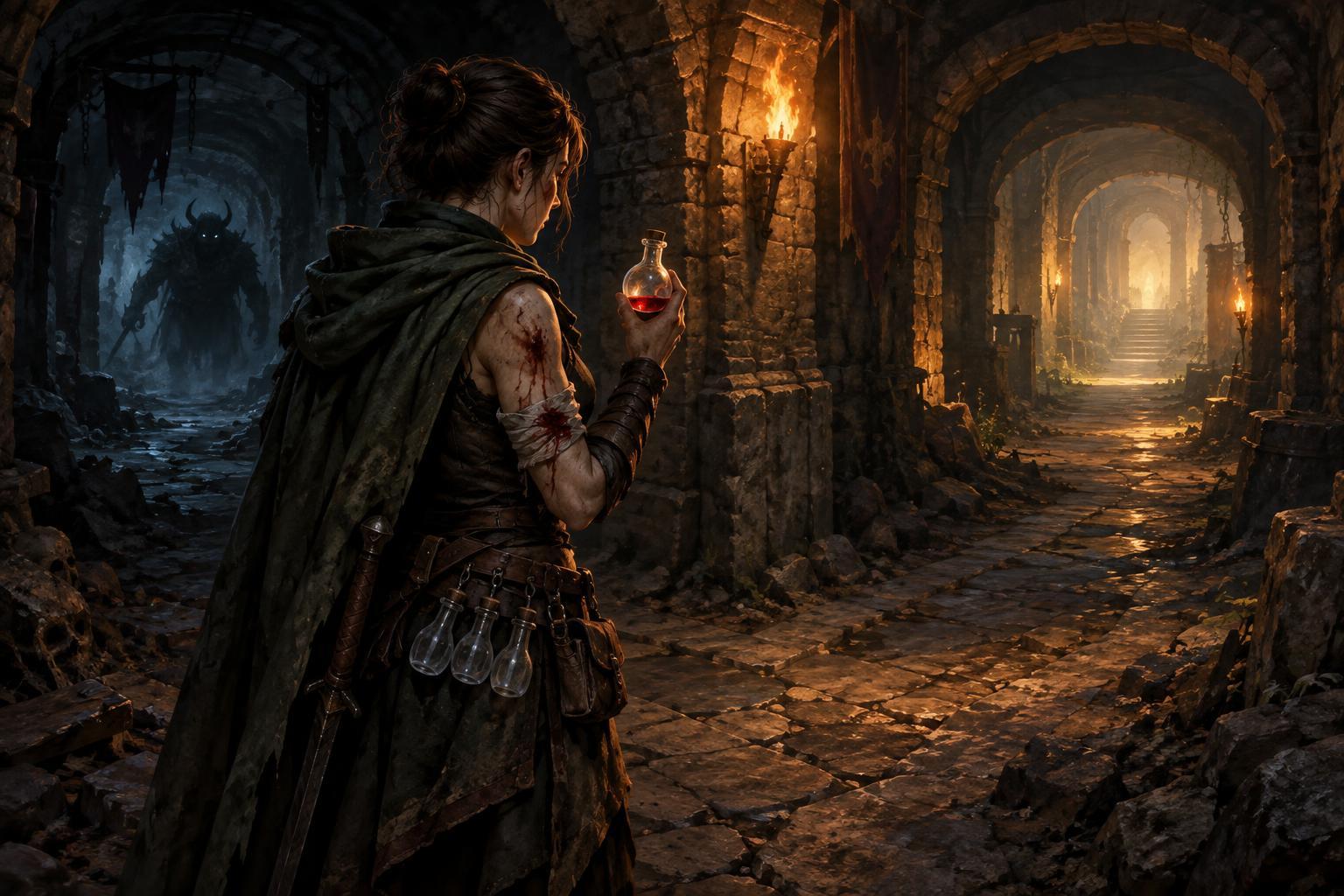
Harder rooms often promise better rewards, but the reward is only part of the calculation. Health, healing charges, ammunition, consumables and other limited resources form a budget for the rest of the route. Spending too much of that budget on one optional fight can make the next mandatory encounter harder than it needed to be. A recovery space is worth more when you are already under pressure, but it may offer little value when you arrive fully stocked.
Think about the kind of difficulty a branch presents, not just how many fights it contains. An elite encounter might test crowd control, movement or sustained damage in different ways. If your build struggles with that specific demand, a safer path can preserve the run while still providing useful rewards. Taking a lower-risk route is a strategic choice, not a failure to play aggressively.
Plan backward from the next major encounter
A boss or other fixed challenge gives your route a useful deadline. Work backward from it: what capabilities would make that encounter manageable, and which available rooms might help you obtain them? If you expect a long fight, consistent damage and dependable defense may matter more than a bonus that only works against weak enemies. If the encounter requires precise movement, arriving with enough health to learn its patterns may be valuable.
Avoid building a route around a single hoped-for drop. Random rewards can support a plan, but they may not appear. Instead, favor branches that offer several acceptable outcomes: a chance to improve your preferred build, a way to repair a weakness or enough resources to adapt later. This keeps the plan useful even when the game offers something unexpected.
Recheck your plan at every fork
A good route changes with the run. After an unusually costly fight, recovery may become more important than the upgrade you intended to chase. A new item may make an encounter easier, opening a branch you would previously have avoided. Pause at each fork and make a quick inventory of your health, resources, build strengths and upcoming threats. Then choose based on your current position rather than defending an earlier decision.
For practice, give each route choice a simple purpose: improve damage, recover, save resources or prepare for a known challenge. After the run, consider whether the path delivered that purpose and what you could have recognized sooner. This independent editorial guide describes general roguelite decision-making, not an official route for any particular game. Specific maps and rewards vary, but the habit of matching a path to your run remains useful.