Understand what each mode asks of you
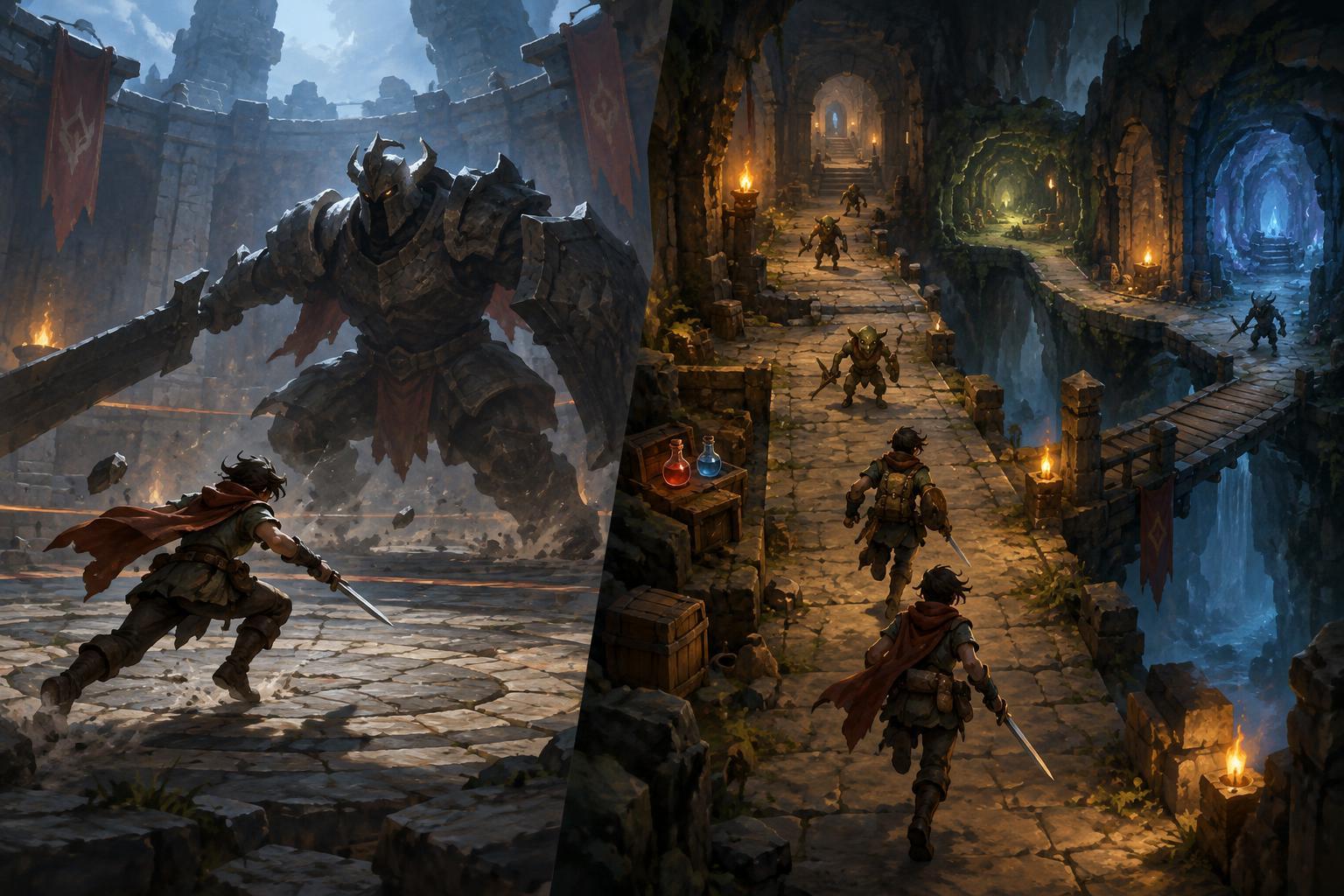
A standard run in a survival or arcade-style roguelite usually tests consistency over time. You may need to manage ordinary enemies, collect upgrades, navigate changing space, and stay alive long enough for a build to develop. A boss rush compresses the challenge around a series of tougher encounters. Exact rules vary by game: some boss rush modes provide preparation time or healing between fights, while others leave little room to recover.
That difference changes the questions to ask before you start. For a standard run, can your early choices keep you safe while you grow stronger? For a boss rush, can your current tools deal reliable damage to a durable target while you avoid its attacks? A strong plan for one mode may struggle in the other. Think of each mode as a separate test rather than assuming your favorite build will work everywhere.
Build for the threats you will actually face
In a standard run, prioritize a dependable foundation. An attack that clears nearby enemies can create room to move, even if its damage against one target is modest. Upgrades that improve survivability, pickup reach, or steady damage may also pay off across a long run. Avoid planning around a late combination if its early pieces leave you unable to handle basic pressure. First make the build functional; then look for improvements that suit the threats ahead.
Boss rush often puts more weight on focused damage, attack uptime, and defensive tools that work against predictable bursts. Wide-area attacks may still help if bosses summon enemies, but an option that rarely hits the boss can become a poor investment. Check whether your damage depends on standing still, getting close, or waiting through a long cooldown. Those conditions matter when a boss forces frequent movement. If the mode lets you choose a loadout, bring tools you can use reliably, not just ones with impressive potential.
Move with a different purpose
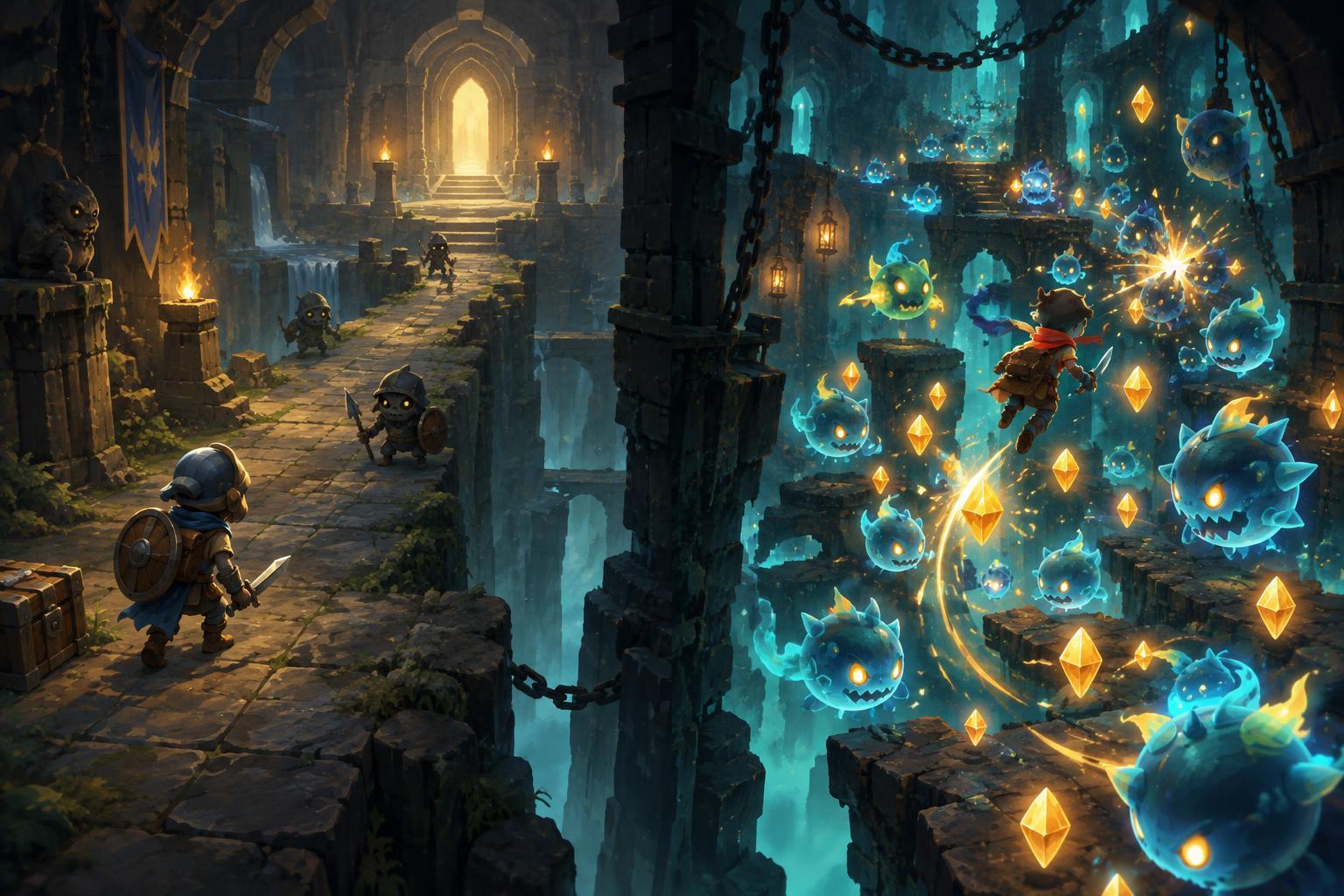
During a standard run, movement helps control the crowd. You might circle open space, guide enemies away from pickups, or make a safe path toward an upgrade. Watch where you will be a few seconds from now rather than reacting only to the nearest threat. When enemies become dense, a small detour can be safer than forcing a straight line through them.
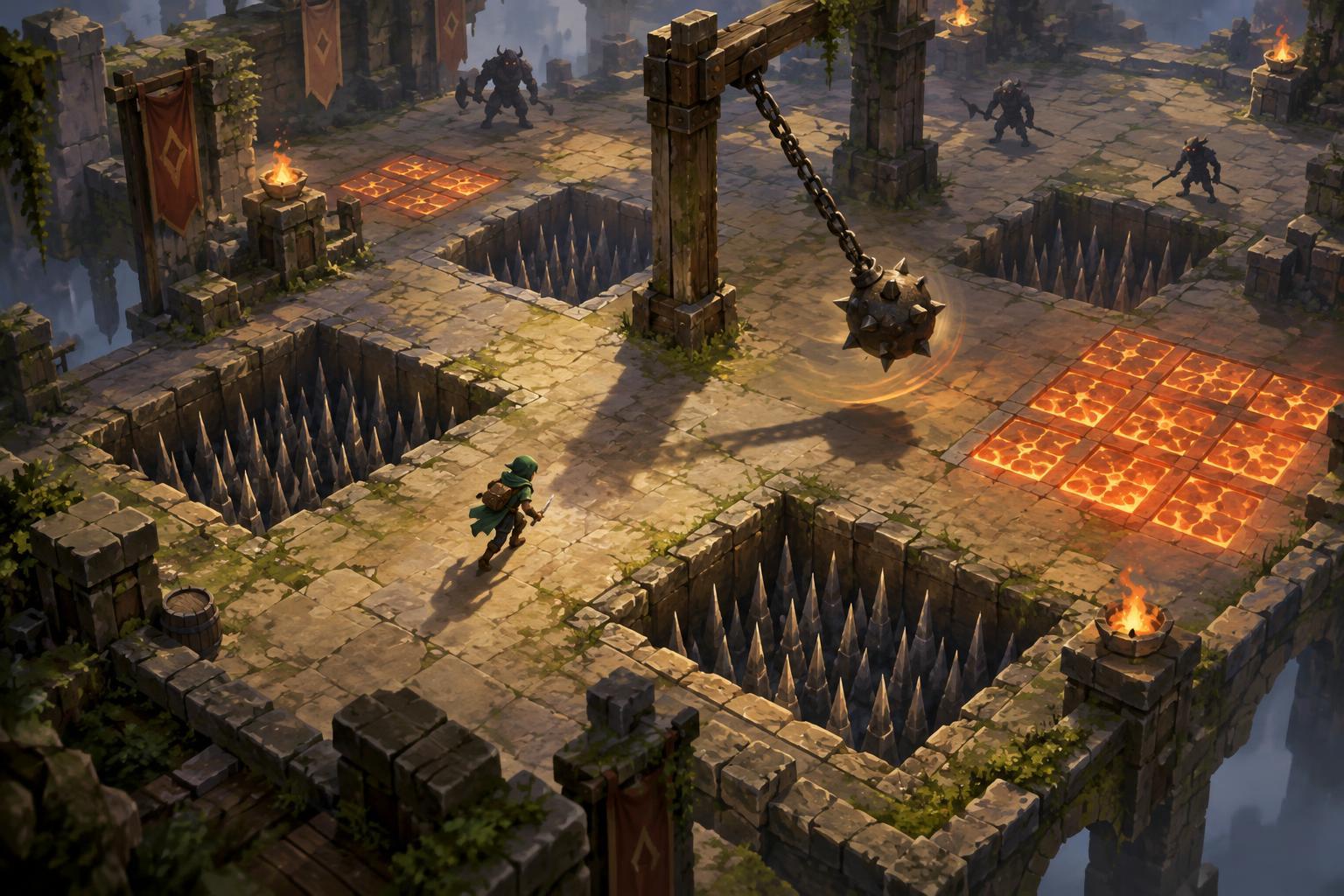
Against a boss, movement is more about recognizing individual attacks and preserving a route out. Give yourself space to dodge without backing into a wall or hazard. After an attack passes, move into a position where you can deal damage safely; do not assume every opening is worth taking. In games with visual clutter, focus on a few readable cues, such as the boss’s position and the edge of the next hazard. If control or display settings are available, choose ones that make those cues easier for you to track.
Treat health and limited tools as a budget
Long standard runs reward resource discipline. Spending a limited heal or defensive ability on a minor mistake can leave you exposed later, yet saving everything while your health steadily falls is not a plan either. Use resources when they prevent a likely failure or let you reach a valuable next stage. Reassess after each major upgrade: a build with better crowd control may need less emergency protection than it did earlier.
Boss rush makes the trade-off more immediate. Learn whether health, cooldowns, or consumables carry between encounters; the answer affects how aggressively you can finish a fight. If a boss is nearly defeated, using a defensive tool to secure the win may be sensible. If several fights remain, taking time to learn a safe attack cycle could be more valuable. Keep the rules of the particular game in mind rather than following a blanket rule to save or spend.
Practice one problem at a time
After a standard run ends, identify when it started to go wrong. Was the opening too weak, did crowds cut off your escape, or did your damage stop keeping pace with enemy pressure? Change one early choice or movement habit on the next attempt. That makes it easier to tell whether the adjustment helped, even when available upgrades vary between runs.
For boss rush, review the encounter that ended the attempt. Notice the attack that caused damage, where you were standing, and whether your build gave you a safe way to respond. Practice surviving that pattern before trying to maximize damage. A clear goal for each attempt can make both modes more useful to play: standard runs teach pacing and adaptation, while boss rush sharpens recognition and execution. This is unofficial editorial guidance for survival and roguelite games, not a guide to any game’s official rules or content.